
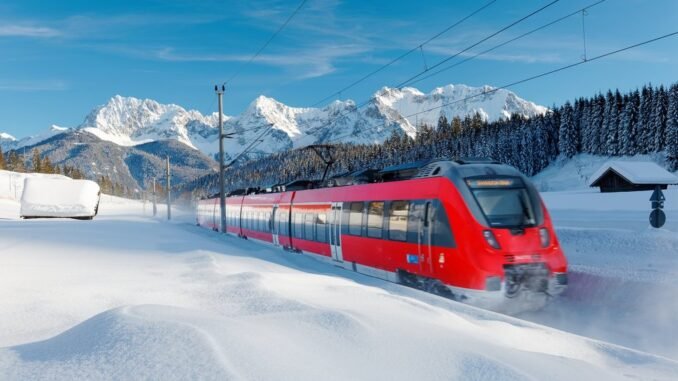
There’s no better way to see Europe than by train — city center to city center, no airport security theater, landscapes unspooling outside panoramic windows, and the particular romance of falling asleep in one country and waking in another. But European rail is a fragmented system of 30+ national operators with Byzantine pricing, and tourists routinely overpay by hundreds. If you’re asking what are the best ways to see Europe by train, here’s the complete guide: passes vs. point-to-point, the scenic routes worth building a trip around, sleeper trains, and the booking tactics that cut costs in half.
The fundamental choice: Eurail/Interrail pass vs. individual tickets. The rule of thumb: passes win for flexible multi-country itineraries with many travel days; point-to-point advance tickets win for fixed itineraries with few long journeys. Always price both before committing — the “romantic rail pass” loses money on slow itineraries.
What Are the Best Ways to See Europe by Train? Passes vs. Tickets
Eurail/Interrail passes
- How they work: a Global Pass covers 33 countries; One-Country passes exist for deep dives. Priced by travel days (e.g., 7 days in 1 month: ~$335 adult; 15 days: ~$440). Under-28s save ~25% with Youth passes.
- When they win: 4+ long-distance travel days in expensive countries (Germany, France, UK, Scandinavia, Switzerland) within a month. A single walk-up Frankfurt–Paris ticket ($150+) can justify a pass day.
- Hidden costs: seat reservations are mandatory on French TGVs, Spanish AVEs, Italian high-speed, and Eurostar — €10–€35 per leg, pass or not. Budget these in. Sleeper supplements run €30–€200+.
- When they lose: slow itineraries (2–3 travel days), cheap-rail countries (Poland, Czechia, Hungary, Balkans — where tickets cost $10–$30 anyway), or fixed plans where advance tickets undercut the pass.
Point-to-point advance tickets
- The 90-day rule: most European operators release cheap advance fares 60–90 days out (Eurostar 180 days, some 120). Paris–Amsterdam can be €35 advance vs. €150 walk-up. Book the day tickets release for popular routes.
- Where to book: operator sites directly (SNCF Connect, DB, Trenitalia, Renfe) for the best prices; Trainline (app/website) for multi-country comparison and mobile tickets — small booking fee, huge convenience. Omio compares trains vs. buses vs. flights.
- Regional tickets: Germany’s regional day passes (Länder-Tickets, €25–€50 for up to 5 people), France’s OUIGO (budget TGV from €10), Italy’s Regionale trains (cheap, slow, scenic) — the budget traveler’s secret menu.
The 10 Scenic Routes Worth Building a Trip Around
- Glacier Express, Switzerland (Zermatt–St. Moritz): 8 hours through 291 bridges and 91 tunnels. The most famous scenic train on earth — book the Excellence Class or just regular; the windows are the point. ~$180 + reservation.
- Bernina Express, Switzerland–Italy: the UNESCO-listed route over the Landwasser Viaduct into Italy. Arguably more spectacular than the Glacier Express, and cheaper.
- West Highland Line, Scotland (Glasgow–Mallaig): the “Hogwarts Express” viaduct (Glenfinnan), lochs, and highlands. Regular ScotRail service — no expensive tourist markup.
- Flåm Railway, Norway: 12 miles, 2,800 ft of descent, waterfalls — the world’s steepest regular railway. Combine with the Norway in a Nutshell route.
- Cinque Terre coastal line, Italy: tunnels bursting into Mediterranean views between five pastel villages. A €16 day pass covers unlimited hops.
- Rhine Valley, Germany (Mainz–Koblenz): castles on every hilltop, vineyard slopes, the Lorelei rock. Regular regional trains — sit on the left going north.
- Semmering Railway, Austria: the world’s first mountain railway (UNESCO site), Vienna–Venice route. Viaducts and alpine drama on a regular service train.
- Douro Valley, Portugal (Porto–Pocinho): terraced vineyards along the golden river — Europe’s most underrated scenic ride, for a few euros.
- Caledonian Sleeper, London–Scotland: fall asleep in London, wake in the Highlands. The romance is real; book a berth (seats are survivable, barely).
- Nightjet network, Austria-centered: ÖBB’s expanding sleeper network — Vienna–Venice, Zurich–Amsterdam, Paris–Vienna. Private compartments from ~€100; the civilized way to cross Europe.
Sleeper Trains: The Renaissance Is Real
European night trains are back — new routes launching yearly. The value proposition: transportation + hotel in one ticket. A €120 sleeper berth replaces a €150 hotel + €80 flight. Book early (sleepers sell out), choose comfort level honestly (seats: miserable; couchette: fine; private sleeper: glorious), and pack earplugs + eye mask. The Seat61 website is the bible of European train travel — route guides, booking links, and honest advice for every major journey.
Booking Tactics That Save 50%
- Book at release: set calendar reminders for 90 days before key journeys. The cheapest fare buckets sell first.
- Split ticketing (UK especially): London–Edinburgh advance singles are cheap; but splitting at York can undercut even those. TrainSplit automates it.
- Go regional: slower trains cost a fraction of high-speed — and the scenery is the point anyway.
- Travel off-peak: midday and late-evening trains price lower; Friday/Sunday peaks price highest.
- Group discounts: Germany’s group tickets, Switzerland’s Saver Day Passes, and youth/senior cards (under-26 discounts are generous across Europe).
- Consider the bus for short hops: FlixBus at €5–€15 for 2–3 hour journeys frees the rail budget for the scenic legs. No shame in it.
- Validate and stamp: in Italy, France, and elsewhere, paper tickets often need validating before boarding (compostage) — fines for skipping are €50+. App tickets usually exempt, but check.
Pair rail travel with the best transit apps for navigating stations and connections, and time your trip using the cheapest months to fly to Europe for the flight over.
First Class vs. Second Class: Is the Upgrade Worth It?
European first class typically costs 30–60% more than second. When it’s worth it: long journeys (4+ hours) — the wider seats, quieter cars, and actual workspace transform a travel day. Germany’s ICE first class and France’s TGV first class are genuinely comfortable offices on rails. When it’s not: scenic routes under 3 hours (you’ll be staring out the window anyway), night trains (you’re sleeping — book the sleeper berth instead of a first-class seat), and regional trains (the difference is minimal).
The sweet spots: first-class advance fares are often only €10–€20 more than second on specific trains — at that gap, take it. Rail passes sometimes include first-class options at modest premiums for seniors or groups. The second-class secret: European second class is better than American first class on most airlines — clean, spacious, with big windows and power outlets. You are never suffering in second. Our rule: second class by default, first class for the 5-hour hauls and the trip’s one “treat yourself” leg. Spend the savings on the journey’s actual pleasures — the dining car coffee, the station picnic supplies, the spontaneous stop in the town you hadn’t planned. The class of your seat matters far less than the view from its window.
The Bottom Line
See Europe by train with: a Eurail pass for flexible multi-country itineraries (price it against advance tickets first), point-to-point tickets booked 60–90 days out for fixed plans, at least one legendary scenic route (Bernina, West Highland, Douro), and a sleeper train for the experience of a lifetime. Book early, sit on the scenic side, pack snacks, and watch a continent glide past your window. The journey genuinely is the destination — for once, the cliché is true.
Leave a Reply