
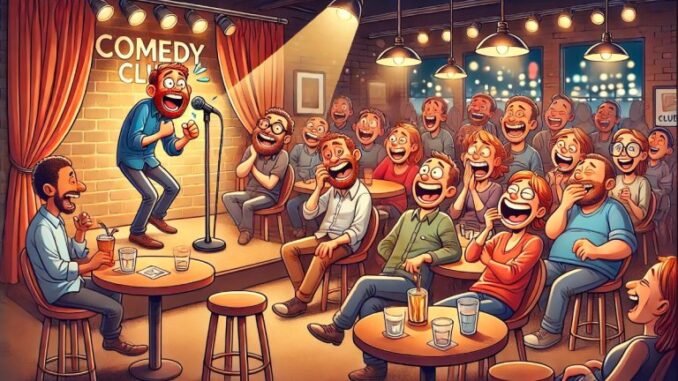
Seeing stand-up live is a completely different animal from watching specials — the energy, the crowd work, the chance of witnessing a legend work out new material for $20. If you’re asking what are the best stand-up comedy clubs in major US cities, you want the rooms where the magic actually happens: the historic stages, the alternative rooms, and the local favorites worth planning a trip around.
I’ve caught shows in a dozen cities, from 50-seat basements to the Comedy Cellar’s hallowed tables. Here’s the city-by-city guide to where comedy lives.
What are the best stand-up comedy clubs in major US cities: The Short Answer
The best US comedy clubs: New York — Comedy Cellar (the mecca; also Village Underground and Fat Black Pussycat next door); Los Angeles — The Comedy Store (Sunset Strip legend), Largo (alternative, intimate); Chicago — Zanies (improv city, stand-up stronghold), The Laugh Factory; San Francisco — Cobb’s Comedy Club, Punch Line; Boston — The Comedy Studio (above a bowling alley, beloved); Austin — Cap City Comedy, Esther’s Follies; plus Don’t Tell Comedy (secret pop-up shows in 100+ cities, $25). Book ahead for weekends; weeknights are cheaper and often better.
Why This Matters More Than You Think
Comedy clubs matter because stand-up is the only art form where you can watch masters develop work in real time — the $20 Tuesday set becomes next year’s Netflix special. Comedy Cellar’s official site and calendar The room shapes the comedy: intimate basements (Comedy Cellar’s 150 seats) force conversational precision, while big rooms reward broader performance. That’s why comics describe certain clubs as ‘where you learn to be funny’ — the architecture of the room is a co-author of the act.
6 Tips That Actually Work
New York: the Comedy Cellar universe
The Comedy Cellar (Greenwich Village) is the most famous comedy club on earth — surprise drop-ins from Chappelle, Gaffigan, and Amy Schumer happen regularly. Book 2–4 weeks ahead; the Village Underground (same block, bigger room) is easier to get into and equally stacked. The 2-drink minimum applies. Pro move: the late shows (10:30 p.m.+) get the loosest, most experimental sets.
Los Angeles: the Store and the alternative scene
The Comedy Store (Sunset Strip) is hallowed ground — the Original Room and Main Room have launched generations. Largo at the Coronet hosts alternative comedy’s finest (often with musical guests) in an intimate, no-heckling room. The Improv (Melrose) remains a workhorse with consistently strong lineups. LA’s secret: weeknight open mics at big clubs sometimes feature famous comics testing material incognito.
Chicago, Boston, San Francisco
Chicago: Zanies (the downtown flagship; impeccable booking) and The Laugh Factory — plus the improv pipeline means stand-ups here are razor-sharp. Boston: The Comedy Studio (above a Somerville bowling alley — the quirkiest great room in America) and Laugh Boston. San Francisco: Cobb’s Comedy Club (North Beach institution) and the Punch Line (where Robin Williams started). All three cities punch above their weight for touring headliners.
Austin and the new scenes
Austin’s comedy boom (fueled by high-profile transplants) centers on Cap City Comedy Club and Esther’s Follies (sketch + improv on 6th Street). Don’t Tell Comedy — secret pop-up shows in 100+ cities, $25, BYOB-friendly — is the best new format in stand-up: comedians you know (or will soon) in unexpected venues. Check if it’s in your city; it’s consistently excellent.
How to do clubs right
Book weekend shows 2–3 weeks ahead; weeknights (especially Wednesday/Thursday) are cheaper, less crowded, and comics are looser. Arrive 30 minutes early for good seats (seating is usually first-come within ticket tiers). Respect the 2-drink/item minimum — it’s how clubs survive. Never heckle (it’s not the movies; the comic hears you and 200 people hate you). Tip your server; they’re working for it.
The open-mic adventure
For $5–10 (or free), open mics show you comedy’s rawest form — future stars bombing and killing in the same hour. Every major club runs them; they’re the cheapest entertainment in any city and the stories are unbeatable. Go with friends, sit near the back, and applaud the brave beginners — you might see someone famous in five years and say ‘I saw them when.’
My Favorite Tools and Brands
For independent reviews and current availability before you spend any money, Variety’s comedy coverage is a solid reference.
- Club websites + Ticketmaster — Book direct for the best seats; weekends sell out 2–3 weeks ahead.
- Don’t Tell Comedy ($25) — Secret pop-up shows in 100+ cities — the best new comedy format.
- A comedy-club budget: $30–60/night — Tickets ($15–30) + 2-drink minimum ($15–25). Weeknights run cheaper.
- The clubs’ Instagram accounts — Surprise drop-ins and secret shows get announced on social first.
Common Mistakes to Avoid
- Heckling. It’s never welcome, never funny, and in a 150-seat room everyone — including the comic — will remember you unfondly.
- Booking Saturday last-minute. The best rooms sell out weekends weeks ahead. Plan or settle for weeknights (which are often better anyway).
- Talking during sets. In an intimate room, whispering carries. Comics have stopped shows over talkers — don’t be the story.
- Skipping the opening acts. Openers are often tomorrow’s headliners. Arrive on time; the whole lineup is the show.
Frequently Asked Questions
What is the most famous comedy club in America?
The Comedy Cellar (NYC) for prestige and surprise drop-ins; The Comedy Store (LA) for history. Both are pilgrimage sites — book well ahead.
How much does a comedy club night cost?
Tickets $15–35 (more for big names), plus a 2-drink/item minimum ($15–30). Total: $30–65 per person. Weeknight shows and open mics ($5–10) are the budget plays.
Can you see famous comedians at clubs?
Yes — regularly. Big names drop into the Cellar, the Store, and Largo unannounced to work out material. Follow clubs on Instagram for drop-in alerts, and go to late shows where surprises happen most.
The Secret Show Strategy
The best comedy nights aren’t always at the famous clubs: follow your favorite comics on Instagram for ‘secret show’ announcements (small rooms, unannounced lineups, $10–20), check Don’t Tell Comedy’s schedule monthly, and ask club staff about late-night experimental shows. Comics test their riskiest, newest material in these rooms — you’ll see bits that become specials two years later, in a 50-seat room, for the price of a sandwich. The famous clubs are the museum; the secret shows are the studio.
Comedy Cellar in NYC, the Store in LA, Zanies in Chicago, Don’t Tell everywhere — live stand-up is the art form’s true home, and it’s cheaper than a movie date. Go on a weeknight, sit close, never heckle. For more live entertainment, check out plan a themed birthday party for an adult, discover new music beyond the same popular songs, and documentaries to watch about history.
Leave a Reply