
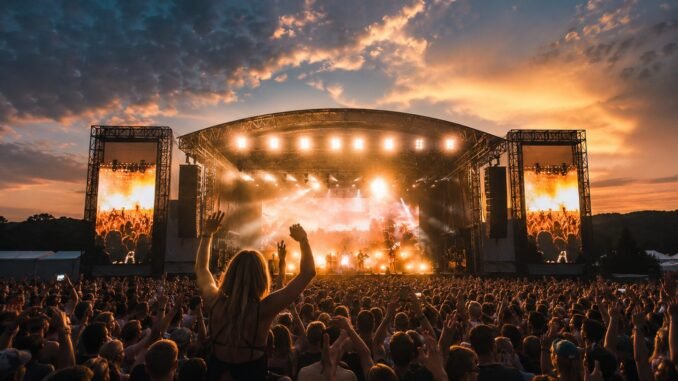
Music festivals look like a rich person’s game — $400+ tickets, $200 camping, $15 beers — but some of the best festival experiences in America cost a fraction of the mega-fests. If you’re asking what are the best music festivals to attend on a budget, the secret is going regional, going early, and knowing which costs are optional.
I’ve done festivals from Coachella-priced down to free, and the budget ones often deliver better memories — smaller crowds, real discovery, and money left for the actual experience. Here’s where to go and how to do it cheap.
What are the best music festivals to attend on a budget: The Short Answer
The best budget music festivals: Pickathon (Oregon, ~$200, magical), Newport Folk Festival (RI, ~$100–150/day, legendary), Austin City Limits (3-day ~$350, huge value per act), Boston Calling (~$300), Shaky Knees (Atlanta, ~$250), Firefly (Delaware, ~$300), local/regional fests ($50–150, often the best value), and free options: Hardly Strictly Bluegrass (SF, free), city summer concert series (free). Save by: buying early-bird tiers, volunteering (free entry), camping vs. hotels, and carpooling.
Why This Matters More Than You Think
Festival pricing is tiered by design — early-bird tickets can be 40% cheaper than final-tier, rewarding planners. Billboard’s festival coverage The real budget math: ticket + travel + lodging + food. Mega-fests lose on the last three (remote locations, surge-priced hotels), while regional festivals near cities win — you sleep at home or cheap, eat affordably, and the ticket itself is often half the price. A $150 regional festival you drive to beats a $400 mega-fest requiring flights and hotels on total cost every time.
6 Tips That Actually Work
Go regional: the value sweet spot
Regional festivals ($75–200 for multi-day) book excellent mid-tier lineups without the headliner arms race: Pickathon (Portland, OR — the connoisseur’s fest, ~$200), Nelsonville (Ohio), Eaux Claires (Wisconsin, when active), and dozens of city fests. Lineups skew toward discovery — you’ll see your future favorite band in a 500-person tent. Check your state’s festival calendar; there’s likely a gem within driving distance.
The legendary affordable icons
Newport Folk Festival (Rhode Island) — historic, beautiful, ~$100–150/day; the 1965 Dylan-goes-electric site. Hardly Strictly Bluegrass (San Francisco) — completely FREE, 100+ artists, Golden Gate Park; the best deal in American music. Austin City Limits — 3 days, 100+ acts, ~$350; the per-act math is unbeatable. Shaky Knees (Atlanta) — indie rock heaven, ~$250 for 3 days.
Buy early-bird, always
Festival tickets sell in tiers — early-bird can save 30–40% vs. final release. Sign up for festival mailing lists in the fall; early-birds often drop before lineups are even announced (that’s the gamble that pays). Payment plans (4–6 installments, usually fee-free) make even pricier fests manageable. Never buy at the gate — it’s the most expensive tier plus fees.
Volunteer for free entry
Most festivals recruit volunteers: 2–3 shifts (12–18 hours total) earns a full weekend pass plus sometimes meals and camping. You’ll work (gates, green teams, info booths) but also catch plenty of music. Apply 3–6 months ahead — popular fests fill volunteer slots fast. It’s the single best budget hack: $0 entry for a $300 festival.
Slash the ancillary costs
Camp instead of hoteling ($50–100 for the weekend vs. $200+/night) — festival camping is half the social experience anyway. Bring food: coolers with groceries beat $15 festival meals (most fests allow sealed snacks and empty water bottles; check policies). Carpool and split gas/parking. Set a daily merch/beer budget in cash — when it’s gone, it’s gone. The ancillary costs, not the ticket, are what break festival budgets.
Free festivals are real and great
Beyond Hardly Strictly: most cities run free summer concert series (Millennium Park Chicago, Celebrate Brooklyn, SF’s Stern Grove). College towns host free fests. Street festivals with music stages abound. Follow your city’s parks department and local music blogs — the free calendar is richer than most people realize.
My Favorite Tools and Brands
For independent reviews and current availability before you spend any money, Pollstar’s concert industry data is a solid reference.
- Festival mailing lists (free) — Early-bird announcements and presale codes — the money-saving signup.
- A decent tent + sleeping bag — ~$150 — Pays for itself in one festival vs. hotel prices.
- Cooler + groceries — ~$50 — Beats $15 festival meals all weekend.
- Earplugs (high-fidelity) — ~$20 — Protect your hearing at front-row volumes; Eargasm or Loop are the standards.
Common Mistakes to Avoid
- Buying at the last tier. Procrastination costs 30–40% more. Early-bird or payment plans — decide by winter for summer fests.
- Ignoring travel + lodging math. A $200 ticket with $600 in flights/hotels is a $800 festival. Regional fests you drive to win on total cost.
- No sun/rain plan. Sunscreen, a poncho ($5), and a water bottle are non-negotiable. Festival weather ruins unprepared people.
- Over-scheduling sets. Running between stages all day is exhausting. Pick 4–5 must-sees, discover the rest. Festivals reward wandering.
Frequently Asked Questions
What is the cheapest major music festival?
Hardly Strictly Bluegrass (free) wins outright. Among ticketed: regional fests at $75–200, Newport Folk day tickets ~$100–150, and ACL/Shaky Knees 3-day passes ($250–350) for per-act value.
How do festival payment plans work?
Most major fests offer 4–6 monthly installments at checkout, usually with a small upfront deposit and no interest. It locks in early-bird pricing while spreading the cost — the smart way to afford pricier fests.
Is volunteering at festivals worth it?
Overwhelmingly yes: free entry (often $250–400 value) for 12–18 hours of work across the weekend, plus crew camping and meals at many fests. Apply early — slots fill months ahead.
The Solo Festival Goer’s Guide
Going to a festival alone is underrated: you see exactly the sets you want, meet people naturally (solo attendees are approachable by definition), and volunteer crews always need extra hands (instant community). Safety basics: tell someone your schedule, keep your phone charged with a portable battery ($20), establish a meetup point, and trust your instincts about afterparties. Some of my best festival memories are solo days — the freedom to follow your ears without negotiation is its own kind of luxury.
Regional fests, early-bird tiers, volunteering, and camping — that’s the budget festival playbook. The music sounds the same whether you paid $400 or $0. For more live music for less, check out stand-up comedy clubs in major us cities, movies to watch on a rainy weekend, and plan a karaoke night that everyone enjoys.
Leave a Reply