
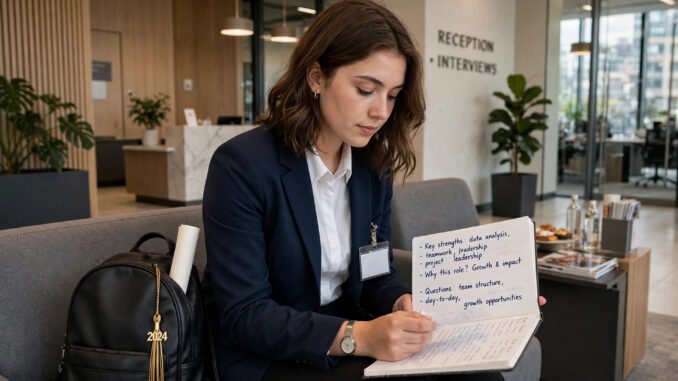
Most new graduates in Raleigh will spend somewhere between $150 and $600 getting ready for interviews, and the spread between those two numbers is not about luck or taste. Almost the whole gap comes down to knowing what actually matters and what only feels like it matters. What follows weighs the spending options against each other, category by category, and ends with a kit that lands near $200.
Wardrobe: $80 to $250
This is the biggest line item and the most controllable one. You do not need a closet. You need one outfit that fits well, looks clean, and matches the level of the employers you are meeting.
The budget play, about $80 to $120, starts with thrift and consignment stores. Raleigh has plenty of them, and interview clothes are the best thing they sell, because blazers and dress slacks get donated barely worn. A $12 thrifted blazer with about $20 of tailoring can honestly look better than a $150 blazer off the rack, because fit is what the eye reads as expensive. Add decent slacks, a clean shirt or blouse, and shoes that are plain and polished.
The mid-range play, about $150 to $250, buys one suit, or a blazer with slacks, from sale racks, plus tailoring. The extra money buys you choice of size and color and a matching set that needs less hunting. It does not buy you a different interview. No hiring manager has ever scored a candidate higher because the suit came from a nicer rack.
Match the outfit to the employer. Raleigh mixes tech, healthcare, and government work. Finance and law offices still expect business professional. Tech firms and startups around the city and in Research Triangle Park usually dress smart business-casual, and a full suit there can look like you did not read the room. When in doubt, check the company’s photos online and dress one step above the daily norm you see.
One more wardrobe point saves real money: one good outfit is enough to start. First rounds are often video calls anyway, and an in-person second round usually comes days later, which leaves time to clean and re-wear the same clothes or swap the shirt for a fresh look. Graduates overspend here because they picture a week of daily interviews in different rooms. That week almost never happens at the start of a search. Buy the second outfit when a real schedule asks for it, not before.
Grooming: $0 to $60
One grooming spend earns its money every time: a real haircut, about $20 to $40 at a barbershop or salon, a few days before interviews begin. It is the first thing people notice in a headshot, a video call, and a handshake moment, and it is cheap for the ground it covers.
The rest can cost nothing. Nails trimmed and clean, done yourself. Teeth and breath handled by basic routine. Fragrance minimal or none at all; a small interview room makes strong scents a risk with zero upside. The goal is not glamour. The goal is looking rested, tidy, and easy to picture on a team.
Materials: $10 to $30
Keep this category boring. A simple padfolio runs about $15 to $25 and gives you a clean place for notes, questions, and spare resumes. Printed resumes on decent paper cost about $5 at a print shop, and yes, bring them, even in a digital process. Interviews still produce moments where a paper copy saves the day, when a laptop fails or a second manager joins late. Finish with a pen that works, tested that morning. That is the whole list.
Transport: $20 to $150
Interviews for Raleigh graduates cluster in a few places: Research Triangle Park, downtown Raleigh, and North Hills, with healthcare sites spread across the city. Budget about $10 to $20 per in-person interview for gas and parking, and you will cover most local rounds.
The high end of this range is not waste. It is distance. A final-round interview across the region, or several in-person rounds in one week, adds up. Plan routes the night before, leave early enough that traffic on the main highways is an annoyance and not a disaster, and treat being fifteen minutes early as part of the outfit.
Raleigh also hands its graduates a quiet cost advantage. The city’s employers sit close together, so a local search rarely involves flights, hotels, or long drives between rounds. Many first interviews happen by video, which pushes the transport bill toward the low end of the range until a company is serious about you. If an employer does ask you to travel a long distance for an on-site final round, it is fair to ask, politely and before you book anything, whether they cover travel for candidates. Some do, some do not, and asking the question is normal at every level.
What actually gets you hired
Here is the comparison that matters most, and it is not close. The suit only has to do one job: not be a distraction. Everything past that point is preparation.
Managers remember candidates who knew the company, who gave specific examples instead of general claims, and who asked questions that showed they had read the job post closely. Understanding what a job interview actually tests helps you aim your effort: it tests whether you can do the work, explain your thinking, and fit the team, far more than it tests your wardrobe.
So rank your spending by that truth. An hour researching the employer’s products, problems, and recent news is worth more than another $100 of clothing. Three practiced stories, one about a hard problem, one about teamwork, one about a mistake you fixed, will carry you through most questions you will ever be asked.
Preparation resources: $0 to $100
The best preparation is free, and Raleigh graduates have a head start here. University career centers commonly keep serving recent graduates, with mock interviews, resume reviews, and employer events at no cost. Practice interviews with a friend who will be honest beat almost any course you can buy.
Online tools belong in the same free-first spirit. It is worth exploring using AI to help with job interview preparation for mock questions and feedback on your answers, since the price is zero and the reps are unlimited. Treat the output as practice material, not as a script to memorize.
Paid coaching, about $75 to $150 an hour, sits at the top of this range for a reason. It earns its fee only for high-stakes roles, unusual situations, or a candidate who has already used the free options and still has a specific weakness to fix. Buying coaching before doing a single free mock interview is spending in the wrong order.
The digital audit
In 2026, part of your wardrobe is on a screen. Before applications go out, check three things. Your profile photo should look like you on a good day, clear, plain background, dressed as you would for the interview. Your email address should be your name, not a gaming handle or an old nickname. Your voicemail greeting should be short and professional, recorded in a quiet room, saying your name and that you will return the call.
Recruiters do look. Reading about how LinkedIn profiles are used by recruiters shows why this half hour matters: your profile is often read before your resume gets a second look, and a photo or headline that clashes with your application creates doubt you never hear about. Clean, consistent, and current is the whole standard.
The verdict: the $200 kit
Adding it up, the recommended kit for a Raleigh graduate looks like this. A thrifted blazer at about $12, plus about $20 of tailoring. Slacks and a shirt from a sale rack, about $60. Plain shoes you already own, cleaned, or about $30 secondhand. A haircut at about $30. A padfolio at about $20. Printed resumes at about $5. Gas and parking for the first two in-person interviews, about $30. Total: roughly $200, sitting at the low end of the typical range with nothing important missing.
Notice what the kit leaves out. No coaching package, no designer anything, no second outfit until an offer or a second-round schedule makes one necessary. The money you did not spend stays in your account for the gap between graduation and a first paycheck, which is where graduates actually feel pressure.
Spend on fit, on a haircut, on showing up on time, and on preparation that proves you did the reading. Save on labels, extras, and anything bought to calm nerves rather than to do a job. That balance, a clean kit near $200 and your hours poured into practice, is what makes a new graduate look like a far more expensive candidate than they are.
One last step costs nothing and belongs in the budget for that reason: the follow-up. Send a short thank-you email the same day, naming one specific thing from the conversation and restating, in a line or two, why the role fits you. Write down what you were asked while it is still fresh, including the questions that caught you out, because the next interview will likely ask some of them again. Keep a simple note of where each outfit, resume, and route worked well. Interview readiness is not a single purchase. It is a small system, and in Raleigh, run with a little care, the whole system costs about $200.
Leave a Reply