
How much does a home inspection cost before buying a house? In 2026, a standard home inspection runs $300–$500 for most single-family homes, with the national average around $400. Condos run $200–$400; large or older homes can reach $500–$800. It’s the best $400 you’ll spend in the entire home-buying process — a good inspector finds the $15,000 foundation issue or the $8,000 roof problem before it’s your problem. Here’s what you’re buying and how to get your money’s worth.
What’s Included in a Standard Inspection
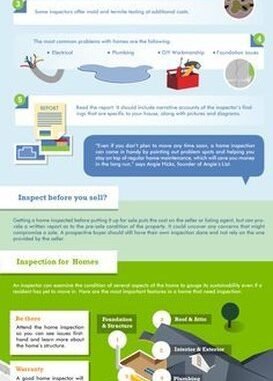
A standard inspection (2–4 hours on-site) covers all visually accessible systems:
- Roof: condition, age estimate, flashing, gutters, drainage
- Exterior: siding, grading (water must flow away from foundation), driveways, decks
- Foundation/structure: cracks, settling, water intrusion signs
- Plumbing: water pressure, visible pipes, water heater age/condition, fixtures
- Electrical: panel capacity and condition, outlets (GFCI where required), visible wiring
- HVAC: age, condition, maintenance signs — the inspector doesn’t dismantle it but assesses operation
- Interior: windows, doors, floors, walls, ceilings (stains = leaks), stairs
- Attic and crawlspace: insulation, ventilation, moisture, pests evidence
What it does NOT include: inside walls, under floors, sewer lines, chimneys (interior), pools, or environmental hazards (mold testing, asbestos, lead) — those are add-on inspections.
Add-On Inspections Worth Considering
- Radon test: $150–$250. Worth it everywhere — radon is the #2 cause of lung cancer, it’s odorless, and mitigation ($800–$2,500) is the seller’s negotiation, not yours, if found. The EPA recommends testing every home.
- Sewer scope: $150–$300. A camera down the main line. Essential for homes 30+ years old — a collapsed sewer line costs $5,000–$15,000 to replace, and standard inspections don’t check it.
- Termite/WDO: $75–$150 (required by some loan types — VA loans mandate it in many states).
- Mold: $300–$600 — only if the inspector notes moisture concerns.
- Chimney: $150–$300 (Level 2 inspection) if there’s a fireplace you plan to use.
My recommended bundle for most buyers: standard ($400) + radon ($200) + sewer scope ($200) = ~$800 for near-total peace of mind.
How to Get Your Money’s Worth
- Attend the inspection. Non-negotiable. You’ll learn more in 3 hours shadowing the inspector than in any amount of report-reading — where the shutoffs are, how old the systems are, what’s urgent vs. watch-list.
- Hire your own inspector — never use the seller’s or the listing agent’s recommendation without vetting. Find yours via ASHI (American Society of Home Inspectors) or InterNACHI directories; verify license (required in most states) and E&O insurance.
- Ask about the big five: roof age, HVAC age, water heater age, electrical panel type (Federal Pacific/Zinsco panels = replacement needed), and foundation. These drive 90% of surprise costs.
- Read the report within 24 hours — inspection contingencies have deadlines (typically 7–10 days). Flag safety issues and big-ticket items for negotiation; don’t nickel-and-dime cosmetic stuff.
- Get repair estimates for major findings during the contingency window — a contractor’s quote turns “the roof looks old” into a $12,000 credit request.
How Much Does a Home Inspection Cost Before Buying a House? The ROI
Waiving inspection to “win” a bidding war is the most expensive gamble in real estate — you’re betting $400 in savings against five-figure hidden defects. Even in hot markets, an informational-only inspection (no repair requests, just knowledge) costs the same and lets you walk away from a money pit. The inspection isn’t about finding a perfect house — it’s about knowing exactly what you’re buying. Spend the $400. Attend in person. Ask about the big five. Future homeowner-you will be grateful.
Home Inspection Mistakes to Avoid
- Waiving the inspection to “win” the bid: you’re betting $400 in savings against five-figure hidden defects. Even in hot markets, get an informational-only inspection — same cost, lets you walk away from a money pit.
- Using the seller’s inspector: hire your own — never the seller’s or the listing agent’s unvetted recommendation. Find yours via ASHI or InterNACHI directories; verify license and E&O insurance.
- Skipping the inspection walkthrough: attending teaches you where the shutoffs are, how old systems are, what’s urgent vs. watch-list — knowledge worth more than the report. Non-negotiable: be there.
- Skipping the sewer scope on old homes: standard inspections don’t check sewer lines — a collapsed line costs $5,000–$15,000. On 30+ year old homes, the $150–$300 scope is the highest-value add-on.
Home Inspection FAQs
What will fail a home inspection?
Inspections don’t “pass/fail” — they report condition. But deal-killers for buyers/lenders: structural/foundation issues, active water intrusion, mold, failed septic/sewer, knob-and-tube or Federal Pacific electrical, end-of-life roof. Everything else is negotiation material.
Should I get a new-build home inspected?
Absolutely — new construction has defects too (plumbing cross-connections, missing insulation, grading issues), and the builder’s warranty covers what the inspector finds. Get a pre-drywall inspection too if timing allows — it’s the only chance to see inside the walls.
How do I choose a good inspector?
ASHI/InterNACHI certification, state license (where required), E&O insurance, sample report (detailed with photos, not a 10-page checklist), and reviews mentioning thoroughness. Ask: “How long does your typical inspection take?” — under 2 hours for a house is a drive-by.
Can I negotiate after the inspection?
Yes — that’s its purpose. Request credits or repairs for safety issues and big-ticket items (roof, HVAC, foundation, water intrusion) with contractor estimates as ammunition. Don’t nickel-and-dime cosmetic issues — it poisons negotiations over the things that matter.
New Construction Inspections: The Extra Round
Buying new? You need two inspections, not one: a pre-drywall inspection ($300–$400 — the only chance to see framing, plumbing, electrical, and insulation before they’re sealed behind drywall) and the standard final inspection ($400–$500). Builders resist pre-drywall inspections — which tells you exactly how valuable they are. Common new-build findings: missing insulation, plumbing cross-connections, improper flashing, HVAC duct issues. The builder’s warranty (typically 1 year workmanship, 10 years structural) covers what the inspector finds — but only if it’s documented before closing. Schedule the pre-drywall the moment the builder announces the drywall date; miss that window and it’s gone forever.
Leave a Reply