
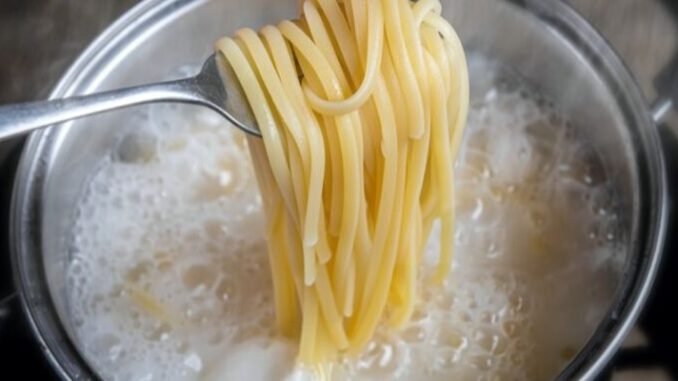
“Al dente” — to the tooth — is the difference between pasta with satisfying bite and pasta that’s just… soft. Learning how to know when pasta is perfectly cooked al dente is a sensory skill, not a timer skill, because package directions are calibrated for the lowest common denominator (and often overshoot by 1–2 minutes). I’ve cooked pasta thousands of times, and the method below is what Italian nonnas and professional chefs actually do — no gadgets, just attention. Here’s how to nail it.
What Al Dente Actually Means
Al dente pasta is cooked through but firm when bitten — tender exterior, slight resistance at the core. Bite a piece in half: you should see a tiny white dot or thin white line at the very center (the puntino) — that’s the last bit of uncooked starch, and it’s exactly right. No white at all = fully cooked (fine, but not al dente). Crunchy white core = undercooked. The window between perfect and overdone is about 60–90 seconds — which is why tasting beats timing.
The Method: Taste, Don’t Time
- Boil in abundant salted water: 4–6 quarts per pound of pasta, salted until it tastes like the sea (~1–2 tablespoons). This is the only chance to season the pasta itself — unsalted pasta water is the most common home-cook error. (The oil in the water myth: skip it — it makes sauce slide off.)
- Start tasting 2 minutes BEFORE the package’s minimum time. Set a timer for 2 minutes less than the box says, then taste every 30–60 seconds.
- The bite test: fish out a piece, cool it 5 seconds, bite. You’re feeling for firm resistance at the center — not crunch, not mush. When it still has a slight bite but isn’t chalky, it’s done.
- Remember carryover: pasta keeps cooking from residual heat — pull it 1 minute before it tastes perfect if you’re saucing it (you are saucing it — see below). It finishes in the sauce.
The Sauce Marriage (Why Al Dente Matters)
Al dente isn’t just texture snobbery — it’s functional:
- Finish in the sauce: transfer pasta to the pan with the sauce plus 1/2 cup of starchy pasta water, and toss over heat for 1–2 minutes. The pasta absorbs sauce flavor, the starch emulsifies the sauce into glossy coating (instead of a watery pool at the plate’s bottom). This technique — mantecatura — is what separates restaurant pasta from home pasta.
- The starch is the sauce’s glue: properly salted, starchy pasta water is liquid gold — reserve a cup before draining, always. A thin sauce + pasta water + vigorous tossing = silky, clinging sauce with no cream needed.
- Overcooked pasta can’t do this: mushy pasta disintegrates in the pan and releases too much starch (gummy). Al dente holds up to the tossing that builds the emulsion.
How Do I Know When Pasta Is Perfectly Cooked Al Dente? Shape-Specific Notes
- Long pasta (spaghetti, linguine): bite a strand — the center should resist slightly. 1–2 minutes less than package time, typically.
- Short shapes (penne, rigatoni): bite through the thickest part (the tube wall). Thicker shapes need the full package time or close to it.
- Fresh pasta: cooks in 1–3 minutes — floats when nearly done, then taste immediately. The window is tiny; don’t walk away.
- Whole wheat / legume pastas: go from al dente to mush faster than semolina — start tasting even earlier, and they’re less forgiving.
- Baked pasta (lasagna, baked ziti): cook very al dente (2–3 minutes under) — it cooks further in the oven. Mushy baked pasta comes from fully-cooked noodles + oven time.
The Barilla and Italian culinary tradition converge: salt the water aggressively, taste early and often, finish in the sauce. Package times assume you’re draining and serving plain — but you’re not; you’re building the sauce marriage in the pan. Trust your teeth over the box, pull it a minute early, and let the sauce finish the job. That’s al dente.
Al Dente Mistakes to Avoid
- Trusting the package time: package directions are calibrated for the lowest common denominator and often overshoot by 1–2 minutes. Start tasting 2 minutes early, every 30–60 seconds — your teeth beat the timer.
- Skipping the salt: unsalted pasta water is the most common home-cook error — it’s the only chance to season the pasta itself. Water should taste like the sea (1–2 tbsp per 4–6 quarts). Sauce can’t fix bland pasta.
- Oil in the water: the persistent myth — oil makes sauce slide off instead of clinging. Skip it entirely. (Stirring in the first minute prevents sticking far better.)
- Draining and serving plain: finish in the sauce — transfer pasta 1 minute early to the sauce pan with starchy pasta water, toss 1–2 minutes. The emulsion this creates is what separates restaurant pasta from home pasta.
Al Dente FAQs
How do I know when pasta is al dente?
Bite test: cooked through but firm at the center — bite a piece in half and look for a tiny white dot at the core (the puntino). Not crunchy, not mushy — slight resistance. The window is 60–90 seconds, which is why tasting beats timing.
Should I rinse pasta after draining?
No — never (except for cold pasta salads). Rinsing washes away the surface starch that helps sauce cling — it’s sabotaging the sauce marriage. Drain, reserve a cup of pasta water, and go straight to the sauce pan.
How much water do I need?
4–6 quarts per pound — abundant water returns to a boil faster (less sticky pasta) and dilutes starch (less gummy). Small pot + pound of pasta = crowded, sticky, unevenly cooked. When in doubt, use the biggest pot you own.
Does al dente really matter?
Yes — functionally, not just snobbery. Al dente pasta holds up to finishing in the sauce (mushy pasta disintegrates), has a lower glycemic index (firmer starch digests slower), and the texture contrast with sauce is the entire pleasure of the dish. It’s a 90-second difference with outsized payoff.
Leave a Reply