
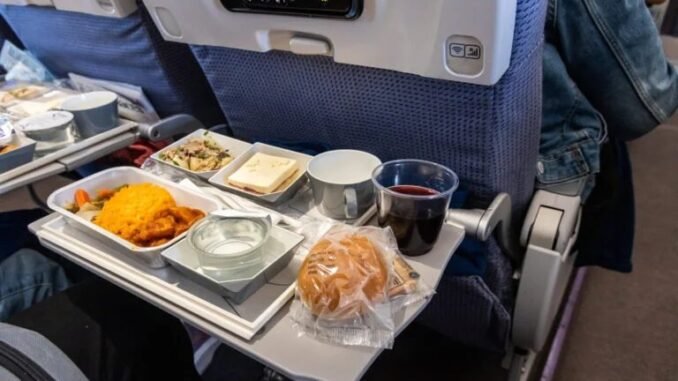
Flying to Asia from the US means crossing 12–16 time zones — the maximum possible jet lag. Your body thinks it’s 3 AM when Tokyo is having lunch, and no amount of willpower overrides circadian biology. I used to lose three days of every Asia trip to zombie-mode. Then I followed the actual science. If you’re asking how can I beat jet lag when flying to Asia, here’s the protocol that cuts recovery from days to about one: shift before you fly, time light exposure precisely, use melatonin correctly, and execute the arrival day ruthlessly.
Why Asia is uniquely brutal: eastward travel (US → Asia) is harder than westward because your body clock finds it easier to delay (stay up later) than advance (fall asleep earlier). Flying east, you’re asking your clock to advance 8–13 hours — the hardest direction. The strategies below are weighted for that reality.
How Can I Beat Jet Lag When Flying to Asia? Start 3 Days Before Departure
Shift your sleep early
Three days before flying, move bedtime and wake time 1–2 hours earlier each day toward Asia time. If Tokyo is 13 hours ahead of New York, you can’t fully shift — but even a 3–4 hour head start halves the shock. Pair with:
- Morning bright light: get 30 minutes of bright light (outdoor sunlight or a 10,000-lux light box, $30–$50) soon after waking during the shift. Light is the strongest clock-setter — stronger than melatonin, stronger than willpower.
- Evening light avoidance: dim lights and use blue-light filters after 8 PM during the shift. You’re telling your brain “night is coming earlier.”
- Low-dose melatonin (0.5–3 mg): taken 5–6 hours before your target bedtime during the shift. Note: melatonin is a clock-shifter, not a sleeping pill — timing matters more than dose, and more is not better. The Sleep Foundation’s melatonin guide covers dosing nuances.
Book smart
If you have a choice, arrive in Asia in the evening local time. You can push through to a normal bedtime and sleep a full night — the single best jet lag hack. Morning arrivals are the worst: you’re exhausted but must stay awake 14+ hours. Also consider a stopover (Hawaii, West Coast) to split the time-zone jump — it adds travel time but dramatically eases the transition.
The Flight: Your Secret Weapon Hours
- Set your watch to destination time on boarding and start living on it mentally. Eat and sleep on Asia schedule from takeoff.
- Sleep strategically: if it’s nighttime at your destination during the flight, sleep — eye mask, earplugs/noise-canceling headphones, neck pillow, no alcohol. If it’s daytime there, stay awake with movies and light.
- Hydrate aggressively: cabin air is desert-dry; dehydration amplifies every jet lag symptom. One liter per 5 hours of flight, minimum. Skip alcohol (it fragments sleep and dehydrates) and go easy on caffeine after the flight’s midpoint.
- Move: walk the aisle every 2–3 hours, do seat stretches. It fights stiffness and the deep-vein thrombosis risk on 12+ hour flights — compression socks ($15) are worth it.
- Eat light: heavy airplane meals at weird hours confuse your gut clock further. Eat modestly, on destination-time schedule.
Arrival Day: The Make-or-Break 24 Hours
This is where trips are won or lost. The rules are non-negotiable:
- Get sunlight immediately. Morning arrival? Get outside within an hour — 30+ minutes of daylight, no sunglasses. This is the most powerful reset signal available. Overcast still works (clouds block surprisingly little of the relevant light).
- Stay awake until local bedtime (9–10 PM). No naps longer than 20 minutes. I know — it’s agony around 3 PM. Walk, sightsee gently, drink coffee before noon only. The nap trap: a 3-hour “rest” destroys your first night’s sleep and adds a day to recovery.
- Exercise lightly: a walk or easy workout in the afternoon boosts alertness and deepens that night’s sleep.
- Eat on local schedule — meals are secondary clock-setters. Even if you’re not hungry, eat lightly at local mealtimes.
- Melatonin at local bedtime (0.5–3 mg) for the first 2–3 nights to lock in the new schedule.
- Keep the room dark and cool for sleep — eye mask + earplugs as backup. Asian city hotels can be bright and noisy.
The Return Trip (Westward Is Easier)
Coming home, you’re flying west — your body prefers this. Stay up a bit later each of your last 2–3 days in Asia, seek evening light on return, and you’ll adjust in 1–2 days. Most people find the return leg noticeably gentler; save your easiest itinerary days for arrival in Asia, not for coming home.
What About Jet Lag Apps and Gadgets?
Timeshifter (free for basic use) generates a personalized light/sleep/caffeine schedule from your flight details — it’s based on real circadian research and genuinely useful. Light therapy glasses ($100+) help on arrival. Avoid “jet lag pills” with unproven ingredients; melatonin + light + discipline beats every gadget. And build a buffer day into your itinerary — don’t schedule the unmissable tour on day one. Pair with Japan budget planning so a slow first day doesn’t feel like wasted money.
Jet Lag With Kids: The Family Protocol
Adult jet lag strategies need translation for small humans. Before departure: shift kids’ schedules 30–60 minutes daily (not the full adult 1–2 hours — kids adjust slower and melt down faster). Start 4–5 days out for a gentler ramp. On the flight: the usual rules apply double — keep them hydrated, feed on destination schedule, and bring the full sleep kit (familiar blanket, white noise, blackout cover for the bassinet or seat). A well-rested kid on landing is worth more than any schedule hack.
Arrival day: sunlight works on kids too — get the whole family outside within an hour of landing. Keep them awake until local bedtime with active distraction (playground, pool, walking — not screens, which make the crash worse). An early local dinner, a warm bath, and bed at 8 PM local usually produces a gloriously long first sleep. Melatonin for kids: talk to your pediatrician first — dosing and timing differ from adults, and it’s not recommended for very young children. The good news: kids’ circadian rhythms are more plastic than adults’. Most families find the kids adjust a full day faster than the parents — which is fortunate, because someone has to be functional. For the broader family travel system, see traveling with a baby without losing your mind — the sleep-protection principles are identical.
The Bottom Line
Beat Asia jet lag with: a 3-day pre-shift (earlier sleep + morning light + timed melatonin), an evening arrival if possible, destination-time discipline on the flight, immediate sunlight on landing, and staying awake until local bedtime — no long naps. It’s a protocol, not a trick, and it works: most travelers following it feel functional by day two instead of day four. Your first day in Tokyo is too precious to spend as a zombie.
Leave a Reply