
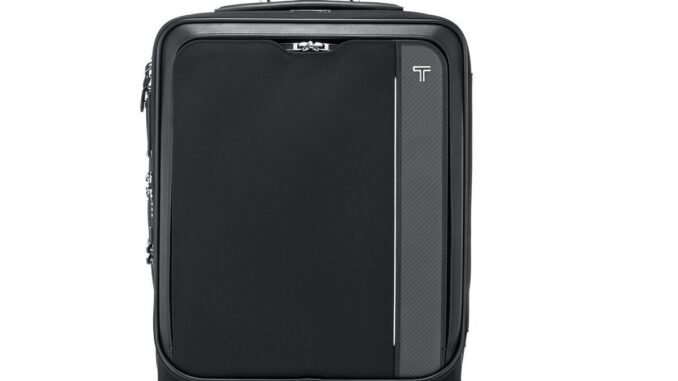
After my third cheap suitcase disintegrated mid-trip — handle snapped in Denver, wheel died in Chicago — I did the math: replacing a $70 bag every year costs more than buying one $300 bag that lasts a decade. If you’re asking what are the best carry on luggage options for frequent flyers, the answer depends on how you travel, but the principle is universal: frequent flyers should buy for durability, weight, and warranty, not for the lowest price tag. Here’s what’s actually worth your money in 2026.
First, know your constraints: most US airlines allow 22″ x 14″ x 9″ (including wheels/handles). International carriers are often stricter (and weigh bags — 7–10 kg limits are common in Asia and on budget airlines). When in doubt, smaller and lighter wins.
What Are the Best Carry On Luggage Options for Frequent Flyers? The Top Picks
Best overall hardside
- Away Carry-On ($275): the modern classic — polycarbonate shell, 7.5 lbs, smooth spinner wheels, interior compression, and a limited lifetime warranty. The battery-ejectable charger version is handy (remember: power banks must be removable for checked luggage rules, though carry-on is fine). Sleek, durable, great customer service.
- Samsonite Freeform ($200–$230): lighter on the wallet, 6.5 lbs, 10-year warranty, excellent wheels. The value pick that doesn’t feel like a compromise — frequent flyers on a budget, this is your bag.
- Rimowa Essential Cabin ($1,100+): the luxury choice — grooved aluminum/polycarbonate, legendary durability, lifetime guarantee. Absurdly expensive, genuinely lasts decades. Worth it only if you fly 50+ times a year and want the last bag you’ll buy.
Best softside
- Travelpro Maxlite 5 ($170–$200): the flight-crew favorite — literally what pilots and flight attendants use. 5.4 lbs (featherweight), expandable, external pockets for laptop/documents, limited lifetime warranty. If the pros trust it daily, you can trust it weekly.
- Briggs & Riley Baseline ($500+): the “buy it for life” softside — lifetime warranty that covers airline damage (they’ll repair it free, no questions). Expensive, but the warranty is unmatched in the industry.
Best carry-on backpacks
- Osprey Farpoint 40 ($185): the one-bag travel legend — 40L fits carry-on sizers, stowable harness, comfortable for real walking. Perfect if you hate dragging wheels on cobblestones or sprinting through terminals.
- Nomatic Travel Pack ($280): the tech-organizer’s dream — 20L expands to 30L, magnetic buckles, dedicated laptop/tablet compartments, water-bottle pocket. Polished enough for business travel.
- Cotopaxi Allpa 35L ($230): clamshell opening (packs like a suitcase), durable, colorful, lifetime warranty. The adventure-travel favorite.
Best budget picks
- Amazon Basics Hardside ($75–$95): shockingly decent for the price — 3-year warranty, fine wheels. Good for 10–15 trips a year; heavy flyers will outgrow it.
- Rockland Melbourne ($60): the “I need a bag this week” option. Won’t last forever, but gets you traveling.
How to Choose: The Frequent Flyer’s Checklist
- Weight is everything: every pound of bag is a pound less of stuff (and matters hugely on weight-restricted international carriers). Under 7 lbs for hardside, under 6 for softside.
- Spinner vs. 2-wheel: spinners glide through airports but wheels protrude (breakage risk, and they eat 2″ of packing space). Two-wheel rollers are tougher and fit more — many road warriors prefer them. For mostly-airport travel, spinners; for rough handling, 2-wheel.
- Warranty matters more than features: a lifetime warranty (Briggs & Riley, Osprey, Away) is worth $100+ in expected value for frequent flyers. Airlines destroy bags; warranties resurrect them.
- External pockets: softside wins for grabbing documents, laptops, and water bottles without opening the whole bag. Hardside wins for protection and weather.
- Compression + organization: interior compression straps or packing cubes ($20–$30) effectively add 20% capacity. Built-in suiter sections matter if you travel for business.
- Fit the sizer: measure with wheels and handles. A “22-inch” bag that’s 24″ with wheels gets gate-checked on full flights.
Making It Last
Even the best bag dies young with bad habits: never sit on your suitcase, don’t overstuff past the zipper’s comfort (that’s how zippers fail), wipe down wheels after trips, store unzipped with the handle retracted. And photograph your bag before checking it — if the airline destroys it, the claim process needs proof. Pair good luggage with baggage-fee avoidance tactics and smart packing strategy, and you’ll travel lighter, cheaper, and calmer.
The One-Bag Packing Method (7 Days in a Carry-On)
The best carry-on is wasted on bad packing. The one-bag method that actually works for a week: The 5-4-3-2-1 formula: 5 tops, 4 bottoms, 3 pairs of shoes (wear the bulkiest), 2 layers, 1 hat — plus underwear and toiletries. Everything in a single color palette so every top matches every bottom: 5 tops × 4 bottoms = 20 combinations from 9 items. Fabric is the cheat code: merino wool tops ($40–$80) resist odor for 3–4 wears; synthetic-blend pants dry overnight after sink washing. Three merino shirts genuinely replace seven cotton ones.
Packing cubes are non-negotiable: one cube for tops, one for bottoms, one for underwear — compression cubes ($25–$35) squeeze out 30% more space. Roll everything; folded clothes waste the cube’s corners. Toiletries: solid shampoo and conditioner bars (no leaks, no 3-1-1 limits, last months), a hanging toiletry bag that fits in the cube’s gap. The wear-on-plane outfit: bulkiest shoes, heaviest layer, jacket with pockets stuffed with the small dense items (chargers, adapters). Laundry mid-trip: sink-wash with detergent sheets ($5 for 50) on day 4 — 10 minutes of effort doubles your wardrobe. Know the TSA’s current carry-on rules cold (liquids, batteries, and the odd prohibited items that surprise people), and the one-bag method turns any decent carry-on into a week-long travel system.
The Personal-Item-Only Challenge
Try this once: do a 3-day trip with only a personal item (backpack or tote, ~20L). It forces the discipline that makes every future packing decision easier — you learn exactly what you actually use versus what you pack “just in case.” Most people discover they wear half what they bring. The challenge isn’t about suffering; it’s calibration. After one personal-item trip, packing a carry-on feels luxuriously spacious, and you’ll never overpack the same way again.
The Bottom Line
Frequent flyers: get the Travelpro Maxlite 5 for lightweight softside value, the Away Carry-On for hardside style and durability, or the Osprey Farpoint 40 if you’re a one-bag backpack convert. Prioritize weight, wheels, and warranty over gimmicks. A great carry-on isn’t an expense — it’s a decade-long travel companion that makes every single trip smoother.
Leave a Reply