
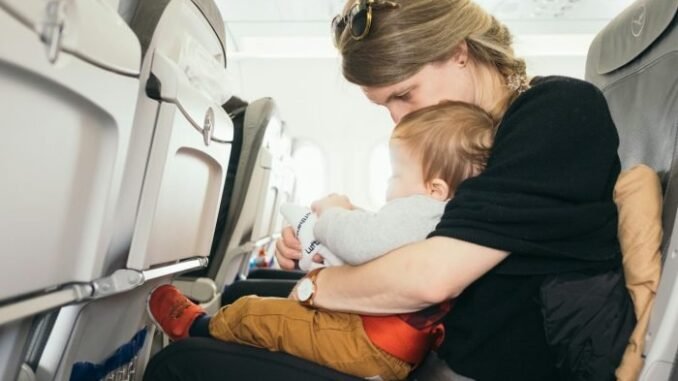
The internet will tell you traveling with a baby is either “impossible, wait until they’re 5” or “so easy, we backpacked Patagonia with our 4-month-old!” Both are lies. The truth: traveling with a baby is different — slower, heavier, nap-scheduled — but absolutely doable and genuinely wonderful. The babies don’t remember it; you do. If you’re asking how can I travel with a baby without losing my mind, here’s the system: lower the bar strategically, over-prepare the logistics, and protect sleep like your sanity depends on it (it does).
First, the reframe: you’re not “traveling despite the baby.” You’re traveling with a portable human who sleeps 14 hours a day and is delighted by ceiling fans. The parents who enjoy baby travel aren’t superhuman — they just plan around the baby instead of fighting the baby.
How Can I Travel With a Baby Without Losing My Mind? The Golden Rules
- Protect sleep ruthlessly. Everything — mood, feeding, your sanity — flows from sleep. Keep nap/bedtime roughly on schedule, bring the full sleep setup (see below), and plan around it. A well-rested baby is a travel champion; an overtired one is a tiny terrorist.
- Slow down to half speed. One activity per day. Seriously. The parents who try to sightsee like childless tourists break by day two. Baby travel is about being somewhere beautiful, not doing everything.
- Choose the right destination. Direct flights, minimal time-zone changes, walkable places, warm weather, good healthcare. A beach condo in Florida beats a multi-city European tour with a 9-month-old. Save the ambitious trips for later.
- The 6–12 month window is prime time. Too young to run, old enough for some routine, still portable. Toddlers (1–3) are actually harder — mobile, opinionated, nap-striking. If you’re going to do the big trip, earlier is easier.
Flying With a Baby (The Part Everyone Fears)
- Book smart: direct flights, avoid red-eyes unless your baby reliably sleeps on planes (most don’t the first time). Bulkhead rows with bassinets (reserve early — airlines have 1–2 per flight) for long-haul; otherwise, your lap is fine under age 2 (free!). Consider buying a seat if you can afford it — the car seat + space is transformative on flights over 4 hours.
- Feed on takeoff and landing: nursing, bottle, or pacifier during pressure changes prevents ear pain — the #1 cause of plane screaming.
- The diaper bag is your command center: double the diapers you think you need, full change of clothes for baby and you (blowouts respect no one’s outfit), feeding supplies, 3–4 new toys (novelty = attention), snacks for older babies, pacifiers with clips, ziplock bags for disasters, infant pain reliever.
- Board last, not first: less time trapped in the seat. Let the baby crawl/walk in the gate area until final call.
- Manage the audience: fellow passengers are mostly sympathetic — the anxiety about bothering people is worse than the reality. A brief smile and “we’re trying our best” disarms 99% of grumps. Noise-canceling headphones for you help too.
- TSA with babies: breast milk/formula over 3.4 oz is exempt from liquid rules (declare it); baby carriers go through X-ray; strollers get gate-checked free. TSA’s traveling-with-children page has the current rules.
Sleep on the Road: The Portable System
- Bring the sleep cues: portable white noise machine ($25 — the single most valuable baby travel item), sleep sack, lovey, blackout curtains (portable suction-cup ones, $20, or painter’s tape + trash bags in a pinch).
- Safe sleep surface: request a hotel crib in advance (call to confirm — “subject to availability” means nothing), or bring a travel crib (BabyBjorn Travel Crib Light, $300, or Guava Lotus, $280 — both excellent). Never use hotel cribs without inspecting: slat spacing, mattress fit, no drop sides.
- Room setup: get a suite or one-bedroom rental so you can exist after bedtime. Sitting in a dark bathroom scrolling your phone while the baby sleeps three feet away is the fastest route to parental despair. This alone justifies the vacation rental.
- Keep the routine: same bath-book-bed sequence, same timing (±30 min). Familiar ritual in unfamiliar places works remarkably well.
Feeding and Logistics
- Breastfeeding: the ultimate travel food — always the right temperature, no packing. Bring a nursing cover if you want one, know your rights (protected in all 50 states).
- Formula: pre-measured dispenser + bottled water; most hotels will provide hot water. Pack 50% more than you need.
- Solids (6+ months): grocery stores everywhere have baby food; bring favorite snacks from home for the journey. A silicone bib + portable high chair ($30, clips to tables) makes restaurant meals possible.
- Ship or buy there: diapers, wipes, and formula are available everywhere — don’t pack a week’s worth. Ship a box to your destination or do a grocery run on arrival (Instacart to the hotel is a pro move).
- Gear minimalism: the great debate — but most parents land here: lightweight travel stroller (not the full system), baby carrier (essential for cobblestones, hikes, airports), car seat (only if driving; many destinations allow rentals with seats). Everything else: rent or buy there. Packing light principles apply double with baby gear.
Sanity Preservation
- Lower every expectation by 50%. If you see three things and eat one good meal, that’s a successful day.
- Tag-team: trade off solo breaks — 30 minutes alone with coffee while the other handles the baby. Non-negotiable daily.
- Embrace the early schedule: babies wake early; use it. Sunrise at the beach with a baby is magical, and you’re back for nap by 10.
- Have an exit plan for every activity: sit near the door, choose refundable tickets, never be embarrassed to bail. Leaving the museum after 40 minutes isn’t failure — it’s reading the room.
- Remember: the hard parts are hours, the memories are years. The flight from hell fades; the photos of your baby’s first ocean don’t.
The Baby Travel Packing Formula
Baby packing has a formula: diapers = days × 8, plus 10. That’s the buffer that absorbs delays, blowouts, and the mysterious diaper disappearance phenomenon. Outfits = days + 3 (blowouts respect no itinerary). Feeding: for formula, pre-measured dispensers plus 50% more than you think; for nursing, just you plus a cover if you want one. The comfort kit: white noise machine, sleep sack, two loveys (one is none — loveys get lost), blackout solution, and the bedtime book. These five items recreate “home sleep” anywhere on earth.
The entertainment rotation: 4–5 small new toys, introduced one at a time (novelty is the currency). Stickers, stacking cups, and a busy board punch far above their size. What not to pack: the full-size stroller (travel stroller instead), the bathtub (hotel sink works), a week’s diapers (buy there), and the kitchen sink of “just in case” gear. Ship a box of diapers/wipes to your destination if driving; use grocery delivery if flying. Every pound you don’t pack is a pound of sanity saved — and family-tested destinations like the national parks prove the point: the trip’s success never depended on the gear. It depended on the sleep, the snacks, and the lowered expectations.
The Bottom Line
Travel with a baby sanely by: protecting sleep above all, moving at half speed, flying direct with feeding timed to takeoff/landing, recreating the sleep environment (white noise + blackout + travel crib), getting a one-bedroom rental, and shipping bulky supplies ahead. It’s not the trip you took before kids — it’s slower, heavier, and somehow better. Book the condo, pack the white noise machine, and go.
Leave a Reply