
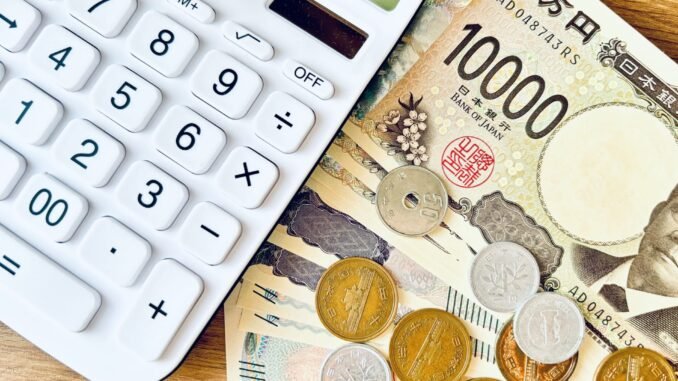
Japan has a reputation for being expensive, and parts of it are — but it’s also one of the best value-for-money destinations in the developed world. A mind-blowing bowl of ramen costs $7. Trains run on time to the second. And free experiences are everywhere. If you’re asking how much money should I budget per day in Japan, here’s the honest 2026 breakdown: $75–$100/day budget, $150–$200/day comfortable mid-range, $300+/day for the full experience — excluding international flights.
All figures in USD (¥1 ≈ $0.0067, roughly ¥150 = $1 — check current rates before you go, as the yen’s weakness has made Japan genuinely cheaper for Americans lately).
How Much Money Should I Budget Per Day in Japan? The Three Tiers
Budget: $75–$110/day
- Lodging ($25–$45): hostel dorms ($20–$30), capsule hotels ($25–$40 — an experience in themselves), or business hotels on sale. Guesthouses in smaller cities are even cheaper.
- Food ($20–$30): this is where Japan shines for budget travelers. Convenience store meals (onigiri $1–$2, full bento $4–$6 — FamilyMart and 7-Eleven food is legitimately good), ramen shops ($7–$10), standing udon/soba ($4–$6), supermarket bento at closing time (half price after 7 PM). You can eat well for $25/day.
- Transport ($10–$20): city subways ($2–$3/ride), day passes ($5–$8 in most cities). Intercity: highway buses instead of bullet trains ($30–$50 vs. $100+).
- Activities ($10–$15): temples and shrines are mostly free or $3–$5; parks, neighborhoods, and markets are free. Temples > paid attractions for budget days.
Mid-range: $150–$220/day (the sweet spot)
- Lodging ($70–$120): business hotels (Toyoko Inn, APA — clean, central, $70–$100), Airbnb apartments, or a ryokan night splurge ($150–$250 including kaiseki dinner — worth it once).
- Food ($40–$60): conveyor-belt sushi ($15–$25), izakaya dinners ($25–$40 with drinks), department-store basement food halls (depachika) for incredible takeaway, one nicer meal every few days.
- Transport ($20–$40): the JR Pass question — at current prices ($335+ for 7 days), it only pays off with heavy bullet-train use (e.g., Tokyo–Kyoto–Hiroshima round trips). For slower itineraries, regional passes or individual tickets win. Do the math on Japan Guide’s JR Pass calculator before buying.
- Activities ($20–$40): teamLab ($25 — book ahead), sumo tickets ($30–$100), cooking classes, day trips (Nara, Nikko, Kamakura).
Comfortable: $280–$400+/day
- Lodging ($150–$300): nice hotels in prime locations, ryokans with private onsen, the occasional luxury splurge.
- Food ($80–$120): omakase sushi ($100–$200 — the meal of a lifetime), kaiseki dinners, high-end wagyu. Japan’s fine dining punches absurdly above its price vs. the US.
- Transport ($40–$60): JR Pass or green car upgrades, taxis when tired, domestic flights for long hops (often cheaper than trains — check Jetstar and Peach).
- Activities ($40–$80): tea ceremonies, guided tours, sumo premium seats, everything on the list without checking prices.
Money-Saving Tactics Specific to Japan
- Convenience stores are a lifestyle: 7-Eleven, FamilyMart, Lawson — fresh, cheap, everywhere. Breakfast and snacks here save $15+/day vs. restaurants.
- Lunch sets (teishoku): restaurant lunch menus run 30–50% cheaper than dinner for the same food. Make lunch your big meal out.
- Free observation decks: Tokyo Metropolitan Government Building (free) vs. Tokyo Skytree ($15+). Same city, zero yen.
- IC card (Suica/Pasmo): tap-to-pay for all transit plus convenience stores and vending machines. Get the digital version on your iPhone before you land.
- 100-yen shops (Daiso): toiletries, adapters, umbrellas, souvenirs — everything for ~$0.70.
- Drink smart: bar drinks are pricey ($8–$12 cocktails); convenience store beer/sake ($2–$4) plus park picnics are the local move. Vending machines with hot coffee for $1.50 are everywhere.
- Cash still matters: Japan is increasingly card-friendly, but small restaurants, temples, and rural areas are cash-only. Withdraw from 7-Eleven ATMs (best rates, English menus).
Sample 10-Day Mid-Range Budget
Tokyo (4 days) + Kyoto (3) + day trips/Nara/Hiroshima (3): lodging $900 + food $500 + transport $350 (mix of trains/buses) + activities $250 + misc $150 = ~$2,150 or ~$215/day, excluding international flights ($600–$900 RT from the US West Coast in shoulder season). Two weeks at this pace: ~$3,000 + flights.
Pair this with jet lag strategies for Asia flights — arriving functional saves you from wasting your first (expensive) day.
The 7-Day vs. 14-Day Question
How long you stay changes the daily math significantly. 7 days (~$1,500–$1,800 mid-range + flights): the classic first trip — 4 days Tokyo, 3 days Kyoto with a Nara day trip. It’s fast but doable, and the per-day cost runs higher because fixed costs (JR Pass if you buy one, airport transfers) spread over fewer days. You’ll spend roughly $215–$260/day. The risk: it’s a highlight reel, not an immersion.
10 days (~$2,100–$2,600 + flights): the sweet spot. Add Hiroshima/Miyajima or an extra Kyoto day, slow the pace, and watch the daily average drop to $200–$240 as fixed costs spread out. This is the trip length where Japan starts feeling like a place rather than an itinerary. 14 days (~$2,800–$3,400 + flights): the deep dive — add Osaka, a rural stay (Takayama or Koyasan temple lodging), or Hokkaido/Kyushu. Daily costs fall to $190–$230, and you can mix splurge days (ryokan, omakase) with cheap days (temples, hiking, convenience-store picnics) without guilt.
The rule: trip cost doesn’t scale linearly — doubling the days adds roughly 60–70% to the total, because flights and setup costs are fixed. If the flight deal is good, staying longer is the best value in travel. And whatever length you choose, arrive functional: beating the Asia jet lag on day one effectively buys you an extra day of trip — the cheapest day you’ll ever add.
The Cash Buffer Rule
Japan is more cash-dependent than first-timers expect. Keep a rolling cash buffer of ¥20,000–¥30,000 ($130–$200) — enough for a full day of cash-only situations (rural restaurants, temple admissions, small shops). Refill at 7-Eleven ATMs, which reliably accept foreign cards. And keep ¥1,000–¥2,000 in coins separately; Japan’s coin system (¥500 and ¥100 coins are workhorses) means your wallet fills fast. A small coin purse — sold everywhere for a few hundred yen — is the most useful $3 you’ll spend.
The Bottom Line
Budget $75–$110/day for hostels and convenience-store feasts, $150–$220/day for comfortable hotels and real restaurant meals, or $300+/day for the full omakase-and-ryokan experience. Japan rewards budget travelers more than almost any developed country — the $7 ramen is genuinely world-class. Pick your tier, add flights, and go: the weak yen means there’s never been a cheaper time for Americans to do Japan right.
Leave a Reply