
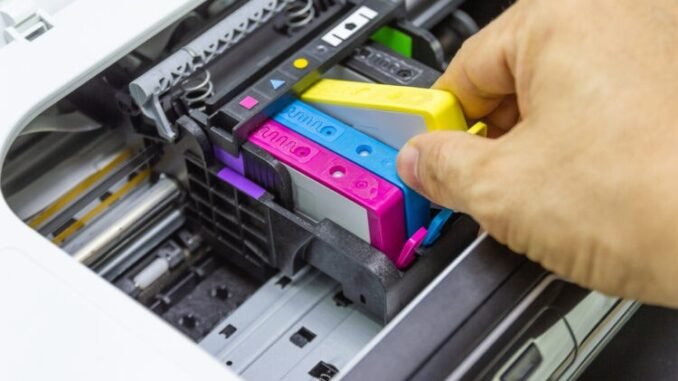
Asking how much does a basic home printer cost to run per page is the question everyone should ask before buying a printer, because the printer itself is the cheap part. Manufacturers practically give away inkjet printers ($60-$100) and make their real money on ink, which can cost more per ounce than vintage champagne. I have done the math across printer types, and the differences are staggering.
How Much Does a Basic Home Printer Cost to Run Per Page? The Real Numbers
- Standard inkjet (HP, Canon cartridges): 15-25 cents per page for black and white, 20-35 cents for color. A set of cartridges ($60-$80) yields roughly 200-300 pages. This is the most expensive way to print, full stop.
- Inkjet with subscription (HP Instant Ink): 2-10 cents per page depending on plan. The $5.99/month 100-page plan works out to 6 cents a page, and unused pages roll over. Dramatically cheaper than buying cartridges.
- Ink tank printers (Epson EcoTank, Canon MegaTank): Under 1 cent per page for black, ~2 cents for color. A $40 bottle of ink prints 6,000+ pages. The printer costs more upfront ($250-$350), but pays for itself fast.
- Monochrome laser (Brother HL series): 2-4 cents per page. A $40 toner cartridge prints 1,200+ pages. Toner never dries out, unlike ink. The king of cheap black-and-white printing.
- Color laser: 8-15 cents per page color. Better than cartridge inkjet, worse than tanks.
The Math That Should Change Your Buying Decision
Say you print 100 pages a month (1,200/year):
- Cartridge inkjet: ~$240/year in ink.
- HP Instant Ink: ~$72/year.
- Brother laser (B&W): ~$36/year.
- Epson EcoTank: ~$15/year.
Over three years, the “cheap” $70 inkjet costs you $790 total, while a $300 EcoTank costs $345 total. The expensive printer is less than half the price. I cannot stress this enough: never buy a printer based on the sticker price. Calculate two-year total cost including ink.
Why Ink Costs So Much (and the Tricks Involved)
- The razor-and-blades model: Printers are sold near cost; ink is where profit lives. This has been the business model for decades.
- “Low ink” warnings lie. Tests have repeatedly shown cartridges reporting empty with 20-40% ink remaining. Consumer Reports testing has documented this for years.
- Cleaning cycles waste ink. Every time you turn on an inkjet after days off, it runs a cleaning cycle that consumes ink. Infrequent printers waste shocking amounts this way, another reason laser (toner does not dry out) wins for occasional printing.
- Firmware blocks third-party cartridges. HP especially uses firmware updates to disable cheaper refills. Factor this lock-in into your buying decision.
- Starter cartridges are half-full. The cartridges in the box print far fewer pages than retail replacements.
Which Printer Should You Actually Buy?
- Mostly black-and-white documents: Brother monochrome laser (~$120). Cheap to buy, dirt cheap to run, toner lasts years without drying. The default right answer for home offices.
- Moderate color printing: Epson EcoTank ET-2800 (~$250). Upfront sting, then pennies per page forever.
- Light, occasional printing: Cheapest inkjet + Instant Ink subscription, or honestly, use the library (10-15 cents/page, zero ownership cost).
- Photos: Dedicated photo printers or just order prints online. Drugstore and online prints ($0.10-$0.30 each) beat home photo printing on both cost and quality.
Cut Costs on the Printer You Already Own
- Print in draft/fast mode for everyday documents. Uses half the ink, perfectly readable.
- Print black-only when color is not needed; color cartridges drain even printing black on many models.
- Use print preview to avoid printing extra blank pages and headers.
- Consider compatible cartridges from reputable third parties (LD Products, for example) at 50-70% savings, but check your printer does not firmware-block them.
- Turn off the printer between uses only if you print weekly+; daily power cycles trigger ink-wasting cleanings. There is a balance.
- Use both sides (duplex). Paper is the second-biggest cost.
The Bottom Line
A basic home printer costs 15-35 cents per page with standard cartridges, 2-10 cents with an ink subscription, under 2 cents with ink tanks, and 2-4 cents with a monochrome laser. The sticker price is a trap: calculate two-year total cost before buying. For most homes, a Brother laser for documents or an Epson EcoTank for color prints is the smart money, and the “cheap” $70 inkjet is the most expensive printer you can own.
Frequently Asked Questions
Is an ink subscription like HP Instant Ink worth it?
For moderate inkjet users, absolutely. At $5.99/month for 100 pages (6 cents/page), it undercuts cartridge buying by 60-70%, includes ink delivery before you run out, and covers the ink wasted in cleaning cycles. The catch: unused pages have rollover limits, and printing far over your plan triggers overage fees. Match the plan tier to your actual volume and it is excellent value.
Why does my ink run out so fast even though I barely print?
Two culprits: automatic cleaning cycles that consume ink every time the printer powers on after sitting idle, and “low ink” warnings that trigger with significant ink remaining. Infrequent inkjet users waste a shocking proportion of ink on maintenance rather than printing. If you print less than weekly, a laser printer (toner never dries) or a print shop is more economical than any inkjet.
Are third-party ink cartridges safe to use?
Quality varies enormously. Reputable compatibles (LD Products, for example) work well in many printers at 50-70% savings, but some printer manufacturers use firmware updates to block third-party cartridges, particularly HP. Check recent reviews for your specific printer model before buying. One bad cartridge can clog printheads, wiping out the savings; stick to well-reviewed suppliers.
How much does paper add to printing costs?
Standard copy paper runs about 1 cent per sheet ($40-$50 for a 5,000-sheet case), so it roughly doubles the cost of laser printing (2-4 cents/page becomes 3-5 cents all-in) while being a minor addition to inkjet costs. Duplex printing halves paper costs instantly. For most home users, paper is a footnote; ink or toner dominates the math.
Leave a Reply