
Learning how do I write invoices that get paid on time directly affects your cash flow, because the average small business waits 30+ days for payment while the best-run ones get paid in under two weeks. The difference is rarely the client; it is the invoice. I have seen businesses transform their cash flow just by fixing how they bill. An invoice is not paperwork; it is a payment-collection tool.
How Do I Write Invoices That Get Paid on Time? The 7 Essential Elements
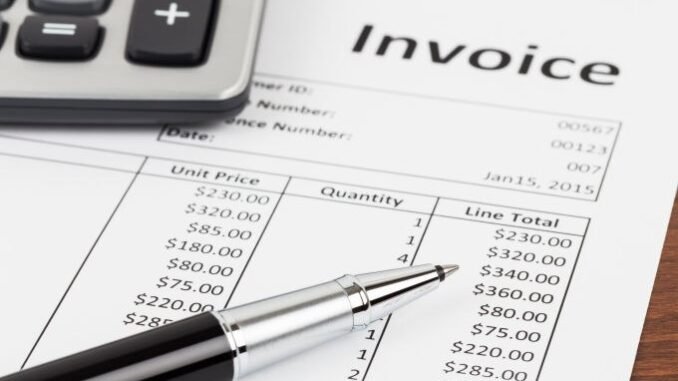
- Clear “Invoice” labeling and numbering. Label it INVOICE (not “statement” or “bill”), with a unique sequential number (INV-2026-001). Numbering looks professional and makes tracking effortless.
- Both parties’ complete details. Your business name, address, phone, email, and logo. The client’s correct legal name and billing address. Invoices sent to the wrong contact or department sit unread for weeks.
- Itemized line items. Describe exactly what you did: “Logo design, 3 concepts, 2 revision rounds” beats “Design services $1,500.” Itemization reduces disputes, the number one cause of late payment, because clients can see what they are paying for.
- Dates that matter: Invoice date, service/delivery dates, and a crystal-clear due date (“Due: November 15, 2026”), not just “Net 30” which many clients interpret creatively.
- Total with tax separated. Subtotal, tax, and total as distinct lines. Confusion about totals delays payment.
- Payment instructions made stupidly easy. This is the big one: include a click-to-pay link or button (Stripe, PayPal, Square). Every extra step between receiving the invoice and paying loses you days. Bank transfer details as backup. The easier you make paying, the faster you get paid.
- Terms stated upfront: Payment terms, late fee policy (e.g., “1.5% monthly late fee”), and accepted payment methods. Terms agreed before work starts are enforceable; terms invented at invoicing time are suggestions.
Send It Right: Timing and Method
- Invoice immediately. Same day the work completes, or on your agreed billing schedule. Every day you delay invoicing adds days to payment. Businesses that invoice weekly get paid faster than monthly billers.
- Send to the right person. Confirm the billing contact before starting work: “Who should I send invoices to, and what is their email?” Invoices to general inboxes die quietly.
- Email with PDF + online payment link. The email subject should include the invoice number and amount: “Invoice INV-2026-045 ($1,500) due Nov 15.” Boring, effective.
- Confirm receipt for large invoices: a quick “Did you receive the invoice?” prevents “oh, I never saw it” three weeks later.
Prevent Late Payments Before They Happen
- Get terms in writing before work starts. Contract or engagement letter stating payment terms, late fees, and what happens on non-payment. This is your leverage.
- Require deposits: 30-50% upfront for new clients, always. Deposits filter out non-serious clients and protect your cash flow.
- Milestone billing for large projects: 30% upfront, 40% at midpoint, 30% on delivery. Never let receivables exceed what you can afford to lose.
- Offer early-payment discounts (2/10 net 30: 2% off if paid in 10 days). Costs you little, accelerates cash meaningfully.
- Charge late fees and enforce them. A stated 1.5%/month late fee that you actually apply changes behavior. Empty threats teach clients to ignore you.
- Stop work on overdue accounts. Continuing to work for non-paying clients is subsidizing them. Pause politely: “I will resume as soon as the outstanding balance is settled.”
The Follow-Up Sequence (Polite but Relentless)
- 3 days before due: Friendly reminder with payment link. “Just a heads-up that INV-045 is due Friday.”
- Day after due: Polite nudge. “Checking in on INV-045, let me know if you need anything from me to process it.”
- 7 days overdue: Firmer, with late fee mention. “Per our agreement, a 1.5% late fee now applies.”
- 14-30 days overdue: Phone call, not email. Calls get answered; emails get “missed.”
- 30+ days: Formal demand letter stating consequences. Then collections or small claims court if warranted.
Automate this with invoicing software (FreshBooks, QuickBooks, Wave all send automatic reminders). Automation removes the awkwardness; the system follows up, not you personally.
Tools That Make This Automatic
- FreshBooks / QuickBooks / Wave: Professional invoices, payment links, automatic reminders, late fee calculation. The ROI on timely payments dwarfs the subscription cost.
- Stripe invoicing: Excellent for online businesses, beautiful payment pages.
- Milestone templates for project work; recurring invoices for retainers. Set once, bill forever.
The Bottom Line
Invoices get paid on time when they include: clear numbering, complete details, itemized work, explicit due dates, separated tax, one-click payment links, and stated terms. Send immediately to the correct billing contact, require deposits from new clients, offer early-pay discounts, enforce late fees, and follow up on a schedule, automated where possible. Cash flow is not about finding better clients; it is about building a better billing system.
Frequently Asked Questions
What payment terms should I put on invoices?
Net 15 or Net 30 are standard; Due on Receipt for small amounts or new clients. Shorter terms get paid faster, full stop: “Due in 7 days” outperforms “Net 30” measurably. Match terms to industry norms but lean shorter when possible. Whatever you choose, state it explicitly with a calendar due date, and agree terms in writing before work begins, not at invoicing time.
How do I charge late fees legally?
Late fees are enforceable when agreed in advance via contract or stated invoice terms accepted by the client. Typical terms: 1.5% monthly (18% APR) on overdue balances. Some states cap late fees or require specific disclosures, so verify local rules. The key is prior agreement; inventing fees after the fact is far weaker. State the policy, then actually enforce it consistently.
What if a client will not pay at all?
Escalate methodically: formal demand letter stating amount, deadline, and consequences; then small claims court (handles up to $5,000-$10,000 depending on state, no lawyer needed, filing fees $30-$100); then collections agencies (they take 25-50% but recover something from nothing). Throughout, document everything in writing. Most disputes settle at the demand-letter stage when clients see you are serious.
Should I require deposits from every client?
From new clients: absolutely, 30-50% upfront non-negotiable. From established reliable clients: optional, though milestone billing still protects cash flow on large projects. Deposits filter out non-serious clients, fund your work, and halve your exposure on any single engagement. Clients who resist standard deposits are telling you about their payment behavior; listen. For templates and deeper guidance, see NerdWallet’s invoicing guides.
Leave a Reply