
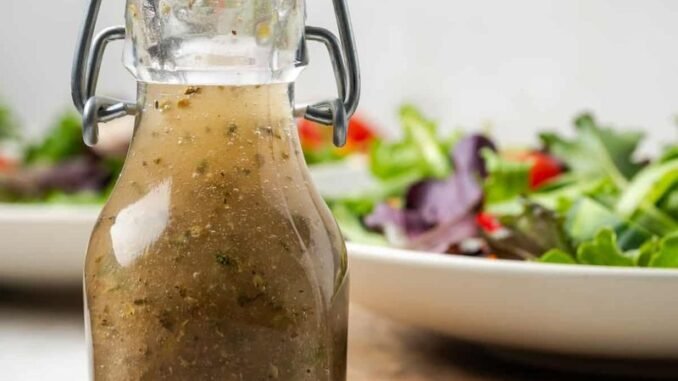
Bottled dressing was my default for years, and honestly, most of it tastes like sugary regret. If you’re wondering how do I make homemade salad dressing that actually tastes good, the barrier is lower than you think — a great vinaigrette takes three minutes, costs pennies, and will ruin store-bought for you forever.
The secret isn’t a fancy recipe. It’s ratios and one technique: emulsification. Once you understand the 3-to-1 oil-to-acid backbone and how mustard glues it all together, you can improvise dressings from whatever’s in your fridge. Here’s the whole playbook.
How do I make homemade salad dressing that actually tastes good: The Short Answer
Great homemade salad dressing starts with a 3:1 ratio of oil to acid (vinegar or citrus), plus 1 teaspoon Dijon mustard per 1/3 cup oil as the emulsifier, salt, pepper, and a touch of honey or maple syrup to balance. Whisk the mustard, acid, and seasonings first, then drizzle in the oil while whisking constantly. Taste and adjust — it should make you want another bite of lettuce, which is the whole point.
Why This Matters More Than You Think
Why do restaurant salads taste better? It’s almost always the dressing — made fresh, properly emulsified, and seasoned aggressively. Academy of Nutrition and Dietetics Bottled dressings compensate for shelf life with sugar, gums, and preservatives that mute flavor. Homemade dressing has none of those crutches, which means the fundamentals matter: good olive oil you can actually taste, acid with character (not just white vinegar), and enough salt. Most home cooks under-salt their dressing by half — that’s the number-one reason homemade versions taste flat.
5 Tips That Actually Work
Master the 3:1 ratio, then break it confidently
Three parts oil to one part acid is the classic vinaigrette. But taste as you go: delicate butter lettuce wants less acid (4:1), while bitter arugula can handle more (2:1). The ratio is a starting point, not a law — your palate is the final judge.
Mustard is the emulsifier that never fails
A teaspoon of Dijon per 1/3 cup of oil keeps the dressing from separating into an oily slick. Whisk mustard with the vinegar and seasonings first, then stream in oil slowly while whisking. No Dijon? Mayonnaise (a tablespoon) or even a mashed garlic clove helps, though nothing works as reliably as mustard.
Salt it like you mean it
Greens are bland; dressing is the seasoning. Use kosher salt generously — about 1/2 teaspoon per 1/2 cup of dressing — plus fresh cracked pepper. Then add a teaspoon of honey or maple syrup: you won’t taste sweetness, but it rounds off the vinegar’s sharp edge beautifully.
Use acid with personality
Red wine vinegar, sherry vinegar, fresh lemon juice, and rice vinegar each bring different character. Sherry vinegar is my desert-island pick — nutty and complex. Keep plain white vinegar for cleaning, not salads. A squeeze of fresh citrus at the end brightens everything.
Shake it in a jar and store it smart
A mason jar with a tight lid is the perfect dressing vessel: add everything, shake hard for 15 seconds, done. Vinaigrettes keep 1–2 weeks refrigerated (olive oil solidifies when cold — let it sit 10 minutes and re-shake). Creamy dressings with dairy or fresh herbs last about a week.
My Favorite Tools and Brands
I only recommend gear I’ve actually used or that’s widely vetted by testing labs — Serious Eats’ dressing science is worth checking before you buy.
- Mason jars, 8-oz — ~$12 for 12 — The perfect dressing shaker, pourer, and storage in one.
- Good extra-virgin olive oil — ~$15 — California Ranch or Kirkland Organic: fruity enough to taste, affordable enough to use daily.
- Sherry vinegar — ~$8 — The single biggest upgrade to your vinaigrette game.
- Dijon mustard — ~$4 — Maille or Grey Poupon; the emulsifier in every great dressing.
Common Mistakes to Avoid
- Dumping oil in all at once. The emulsion breaks and you’re left with separated dressing. Drizzle slowly while whisking — or just shake violently in a jar, which is more forgiving.
- Using stale oil. Rancid olive oil makes rancid dressing. Taste your oil; if it’s flat or crayon-like, replace it.
- Dressing the salad too early. Acid wilts greens in minutes. Dress right before serving, and start with less than you think — you can always add more.
- Forgetting to taste. Dip a lettuce leaf, not a fingertip — dressing tastes different on greens than alone. Adjust salt, acid, and sweetness until a leaf makes you happy.
Frequently Asked Questions
How long does homemade dressing last?
Oil-and-vinegar dressings: 2 weeks refrigerated. Anything with fresh garlic, herbs, or dairy: about 1 week. If it smells off or looks strange, toss it — homemade has no preservatives.
Why does my vinaigrette keep separating?
Not enough emulsifier or oil added too fast. Add a teaspoon of Dijon, and whisk or shake harder. Even well-made vinaigrette separates on standing — that’s normal; just shake before serving.
What’s the healthiest salad dressing?
Homemade vinaigrette with olive oil is hard to beat: heart-healthy fats, no added sugar, no preservatives. Go lighter on the oil (2:1 ratio) if calories are a concern, and load up on the vegetables themselves.
The Dressing I Make Every Week
My house dressing, the one that’s always in the fridge: a quarter cup of sherry vinegar, a tablespoon of Dijon, a minced garlic clove, a teaspoon of honey, three-quarters of a teaspoon of kosher salt, lots of black pepper, and three-quarters of a cup of good olive oil — shaken in a mason jar. It goes on green salads, grain bowls, and roasted vegetables. I make a double batch every Sunday; it takes five minutes and we’ve never bought bottled dressing since.
Homemade dressing that actually tastes good is just oil, acid, mustard, salt, and confidence — three minutes in a mason jar. Once you nail the basic vinaigrette, you’ll start improvising without recipes. Level up the rest of your kitchen game with when my bread dough has risen enough, healthy snacks to keep at my desk, and cook salmon so it stays juicy.
Leave a Reply