
The average American family throws away about $1,500 worth of food every year. I know, because I used to be well above average — mysterious leftovers fossilizing in the back of the fridge, herbs turning to slime, good intentions rotting in the crisper drawer. If you’re asking how can I reduce food waste in my kitchen each week, the good news is that a few unglamorous habits fix most of it.
I cut my household’s food waste by roughly two-thirds in about a month, not by becoming some zero-waste saint, but by fixing the five or six leaks where most food actually dies. Here’s the exact system.
How can I reduce food waste in my kitchen each week: The Short Answer
Reduce food waste by planning 3–4 dinners per week (not 7), shopping with a list, storing produce correctly (herbs in water, greens with a paper towel), designating a weekly ‘eat me first’ shelf in the fridge, cooking a ‘clean-out’ meal every week, and freezing anything you can’t use in time. Track what you throw away for two weeks — the pattern will show you exactly where your money is going.
Why This Matters More Than You Think
Most food waste isn’t dramatic — it’s the slow bleed of good intentions: the ambitious grocery trip, the produce bought for recipes you never cook, the leftovers nobody claims. USDA’s food loss and waste resources The USDA estimates 30–40% of the US food supply goes uneaten, and households are the single biggest source. But here’s the encouraging part: unlike supply-chain waste, kitchen waste is almost entirely within your control. The fixes are systems, not willpower — because willpower runs out by Thursday.
6 Tips That Actually Work
Plan 4 dinners, not 7
Planning a full week of meals is a fantasy that ends with wasted groceries. Plan 3–4 real dinners, leave room for leftovers, takeout, and the night nobody feels like cooking. I plan Sunday through Wednesday and wing the rest — waste dropped immediately because I stopped buying for meals that never happened.
Shop your fridge before you shop the store
Take a 60-second inventory before writing your list: what proteins, vegetables, and dairy need using? Build at least one meal around those. I keep a running note on my phone. This one habit probably saves me $20 a week by itself.
Create an ‘eat me first’ zone
Designate one fridge shelf — ideally at eye level — for things that need eating soon: opened packages, leftovers, wilting herbs. When everyone’s hunting for a snack, they grab from that shelf first. Label it if your household needs the hint. Out of sight is the number-one cause of fridge death.
Store produce like it matters, because it does
Herbs last two weeks standing in a jar of water in the fridge (like flowers). Greens stay crisp with a dry paper towel in the container. Onions and potatoes live in a dark cabinet — never together, since onions make potatoes sprout. Berries get a vinegar-water bath (1:3 ratio) then thorough drying to kill mold spores.
Cook one ‘clean-out’ meal a week
Friday stir-fry, frittata, fried rice, or soup — these are vehicles for whatever’s lingering. Half a bell pepper, two sad carrots, leftover rice, the last of the rotisserie chicken: that’s dinner, not garbage. My family actually looks forward to clean-out fried rice now.
Freeze without fear
Your freezer is a pause button. Bread, cheese, butter, herbs in oil, cooked grains, sauces, and most cooked meats freeze beautifully. The trick is labeling with the date and actually using a first-in-first-out rotation. I freeze in flat zip-top bags — they stack, thaw fast, and you can see what’s inside.
My Favorite Tools and Brands
I only recommend gear I’ve actually used or that’s widely vetted by testing labs — EPA’s guide to reducing wasted food is worth checking before you buy.
- Rubbermaid Brilliance containers — ~$30 for 10 — Airtight, stackable, and you can see contents — visibility prevents waste.
- Reusable silicone freezer bags — ~$20 for 6 — Flat-freezing leftovers without the single-use plastic guilt.
- Produce saver containers — ~$25 — Ventilated containers that genuinely extend berry and herb life.
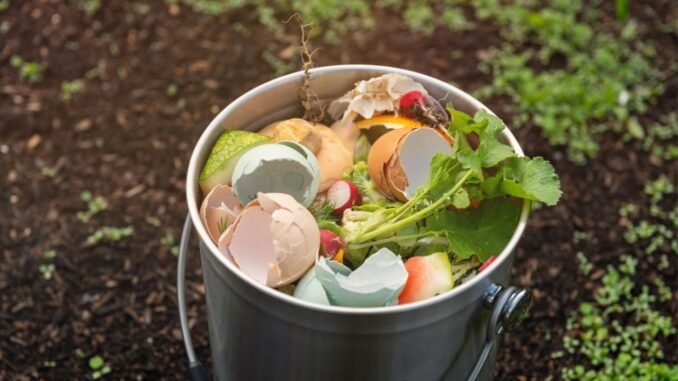
- A simple kitchen compost bin — ~$25 — For the unavoidable scraps: peels, cores, coffee grounds.
Common Mistakes to Avoid
- Buying aspirational groceries. The kale for the smoothies you’ll never make is waste with extra steps. Buy for the cook you are, not the one you imagine.
- Ignoring the freezer. Freezing feels like giving up, but it’s the opposite — it’s rescuing food at peak freshness for a future you.
- Storing everything in the crisper. The crisper is where produce goes to be forgotten. Keep soon-to-eat items at eye level instead.
- Cooking too much ‘to have leftovers.’ Leftovers only prevent waste if someone eats them. Portion honestly, and freeze extras on day one if no one’s excited about them.
Frequently Asked Questions
Is it safe to eat leftovers after 4 days?
The USDA recommends eating refrigerated leftovers within 3–4 days. When in doubt, freeze on day two — frozen leftovers keep safely for months. Reheat to 165°F throughout.
What’s the difference between ‘sell by’ and ‘use by’ dates?
‘Sell by’ is for the store, not you. ‘Use by’ is the manufacturer’s quality estimate. Neither is a federal safety deadline (except on infant formula). Trust your eyes and nose for most foods past the date.
Should I compost if I can’t reduce waste further?
Yes — composting keeps scraps out of landfills where they’d release methane. But composting is the last resort in the hierarchy: preventing waste saves far more money and resources than composting it.
What Saved Us the Most Money
Of all these habits, the ‘eat me first’ shelf and the Friday clean-out meal made the biggest dent in our grocery bill — we tracked it for two months and saved about $140 a month, which annualizes to nearly $1,700. That’s a vacation funded by not throwing food away. The planning less, the smarter storage, the freezer — they all help, but those two changes did the heavy lifting. Start there if the full system feels overwhelming.
Cutting food waste isn’t about perfection — it’s about planning fewer meals, shopping your fridge first, storing produce properly, and running a weekly clean-out cook. Start with the ‘eat me first’ shelf this week; it’s the highest-impact ten minutes in your kitchen. For more ways to get the most from your groceries, see make my own sourdough starter from scratch, breakfast recipes to feed a crowd, and make my coffee taste better without fancy equipment.
Leave a Reply