
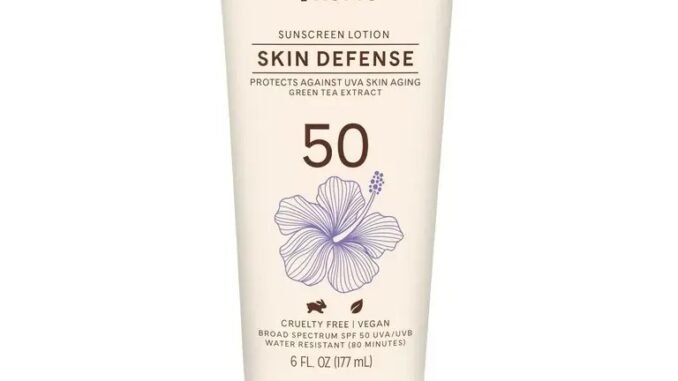
You put on sunscreen to protect your skin, and within an hour your face is red, stinging, and breaking out — the exact opposite of the plan. What is the best sunscreen for sensitive skin? If chemical sunscreens turn your face into a tomato, you’re not alone: a significant number of people react to common UV filters like oxybenzone and avobenzone, plus the fragrances and preservatives many formulas include. The good news is that sensitive-skin-friendly sunscreens have gotten dramatically better in recent years. No more ghost-white clown makeup — modern mineral formulas can actually look good.
Here’s how to pick the right one, apply it correctly (most people use half enough), and build a sun routine that doesn’t punish your skin.
What Is the Best Sunscreen for Sensitive Skin? Go Mineral First
Sunscreens use two types of UV filters. Chemical filters (oxybenzone, avobenzone, octinoxate, homosalate) absorb UV rays — and they’re the most common irritants and allergens. Mineral (physical) filters — zinc oxide and titanium dioxide — sit on top of the skin and deflect UV. For sensitive skin, mineral is the dermatologist-recommended starting point:
- Zinc oxide is the gold standard — it blocks the full UVA and UVB spectrum and is the least likely filter to irritate. Look for 10–20% zinc oxide.
- Titanium dioxide is also gentle but weaker against UVA, so it’s usually paired with zinc.
- Look for “fragrance-free” (not “unscented” — that can mean masking fragrance was added), alcohol-free, and labeled for sensitive skin or hypoallergenic.
- Avoid oxybenzone and octinoxate if you’ve reacted before — they’re the most common culprits, and Hawaii has banned them for reef damage anyway.
What to Actually Buy
You don’t need a $40 boutique tube. Consistently well-reviewed mineral options for sensitive skin include CeraVe Hydrating Mineral Sunscreen SPF 30 (~$15), La Roche-Posay Anthelios Mineral SPF 50 (~$25, the dermatologist favorite), Blue Lizard Sensitive Mineral SPF 50 (~$15), and Neutrogena Sheer Zinc SPF 50 (~$12). All are fragrance-free and widely available at Target, Walmart, or Amazon. If the white cast bothers you — the classic mineral complaint — look for tinted mineral sunscreens (iron oxides in the tint also add blue-light protection) or newer “invisible” zinc formulas. Test any new sunscreen on your jawline for 24 hours before committing your whole face.
Application: You’re Probably Using Half Enough
Dermatologists’ most repeated lament: people apply 25–50% of the needed amount, which means your SPF 50 is performing like SPF 12. The correct amounts:
- Face and neck: about a quarter teaspoon — or the “two finger” rule (a line of sunscreen along your index and middle fingers).
- Full body: a full shot glass (1 oz) for a day at the beach.
- Timing: apply 15 minutes before sun exposure so it forms an even film.
- Reapply every 2 hours outdoors, and immediately after swimming or heavy sweating — “water-resistant” means 40–80 minutes of protection in water, not all day.
- Don’t forget: ears, back of neck, tops of feet, lips (use SPF lip balm), and the part in your hair or scalp.
Daily Wear Strategy
The best sunscreen is the one you’ll wear every day, because incidental exposure — driving, walking to lunch, sitting by a window — adds up to most of our lifetime UV dose. The lowest-friction approach: a moisturizer with SPF 30+ as your morning default (CeraVe AM, ~$16), and a dedicated sunscreen for outdoor days. Keep a stick sunscreen in your bag for reapplication — no one reapplies liquid sunscreen over makeup at 2 p.m., but a mineral stick takes 10 seconds.
Beyond Sunscreen: The Full Sun Protection Picture
Sunscreen is one layer. The complete strategy dermatologists recommend:
- Seek shade between 10 a.m. and 4 p.m., when UV is strongest.
- Wear UPF clothing for extended outdoor time — a $25 UPF 50 shirt from Amazon protects better than any sunscreen and never needs reapplying.
- Sunglasses with 100% UV protection protect the delicate skin around your eyes (where skin cancer often appears) and your eyes themselves.
- Wide-brimmed hats shade face, ears, and neck — baseball caps leave ears exposed.
And a note on vitamin D: daily sunscreen use doesn’t meaningfully cause deficiency for most people (you still get incidental exposure), but if you’re concerned, a blood test and a cheap D3 supplement solve it without trading skin health. If you’re also tracking whether you have a vitamin D deficiency, that’s the way to check rather than skipping sunscreen.
One more sensitive-skin tip: if even mineral sunscreens sting, the issue might be your skin barrier. Over-exfoliating (too many acids, too much retinol) makes everything sting. Scale actives back to a gentle cleanser + moisturizer + sunscreen routine for two weeks and re-test. And if you’re ever unsure about a changing spot, learn when a mole needs a dermatologist’s eyes — sun protection and skin monitoring go together.
The American Academy of Dermatology’s sunscreen selection guide covers exactly what to look for, and the Skin Cancer Foundation is the authority on why consistent protection matters — skin cancer is the most common cancer in the US, and most of it is preventable.
Sunscreen and Makeup: Making Them Coexist
“But I wear makeup” is the #1 reason people skip daily SPF — so let’s solve it. The order: skincare, then sunscreen (let it set 2–3 minutes), then makeup. Mineral sunscreen under makeup works fine if you let it set; pilling usually means you’re layering too fast or using incompatible formulas (silicone-heavy primers over water-based sunscreen). For reapplication over makeup — the step everyone skips — use SPF setting sprays, powder sunscreens (brush-on mineral SPF 30–50, ~$15–$30), or sunscreen sticks dabbed gently. None are perfect, but imperfect reapplication beats none. Tinted mineral sunscreens can double as light foundation, collapsing two steps into one. And remember the neck, ears, and hands — the three places that betray sun damage first and that makeup routines typically ignore. Your future self, looking at decade-younger hands, will thank you.
The practical takeaway: choose a fragrance-free mineral sunscreen (zinc oxide-based, SPF 30–50) from a drugstore brand, apply a full two-finger dose to face and neck, reapply every 2 hours outdoors, and layer with shade, hats, and sunglasses. Your sensitive skin doesn’t need to choose between protection and comfort anymore.
Leave a Reply