
Asking what is the best smartwatch for tracking fitness in 2026 is smart, because the market has never been more confusing. Every brand claims “advanced health tracking,” but heart-rate accuracy, GPS reliability, and battery life vary enormously. I have worn most of the major options for weeks at a time, running, lifting, and sleeping in them, and the best choice depends entirely on what kind of exerciser you are.
Let us match the watch to the workout.
What Is the Best Smartwatch for Tracking Fitness in 2026? Top Picks by Use Case
- Best all-around: Apple Watch SE (2nd gen) — $189. If you own an iPhone, this is the default answer. Accurate heart-rate tracking, excellent workout app, fall detection, and seamless integration. The battery lasts about 18 hours, so nightly charging is the tradeoff. Most people do not need the pricier Series models for fitness.
- Best for serious runners: Garmin Forerunner 55 — $200. Garmin’s GPS accuracy and running metrics (cadence, stride length, recovery time) embarrass every general-purpose smartwatch. Battery lasts two weeks. The screen is basic and the smart features are limited, but runners do not care, and neither should you if running is your thing.
- Best battery life: Garmin Venu 3 — $450. A beautiful AMOLED display plus 11-day battery life, advanced sleep tracking, and Garmin’s training readiness scores. The sweet spot for people who want a real smartwatch that does not die daily.
- Best budget tracker: Fitbit Charge 6 — $160 (often $100 on sale). Not a full smartwatch, but a superb fitness band with accurate heart rate, built-in GPS, and an ECG sensor. Six-day battery. Perfect if you just want tracking without the smartwatch fuss.
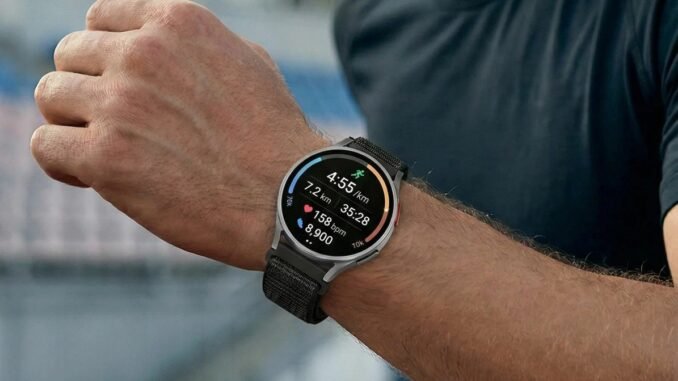
- Best for Android users: Samsung Galaxy Watch 6 — $300. Great Wear OS integration, solid sleep and body-composition tracking, and it actually looks like a watch. Works with any Android phone, though Samsung phones enable a few extra features.
- Best for ultrarunners/adventurers: Coros Pace 3 — $230. A cult favorite in the running community: insanely light, 38-hour GPS battery, and training features that rival watches twice the price.
What Actually Matters in Fitness Tracking
Heart-rate accuracy
Wrist-based optical sensors have gotten genuinely good for steady-state cardio, usually within a few beats of a chest strap. They still struggle with interval training and weightlifting, where rapid heart-rate changes and wrist movement confuse the sensor. If you do HIIT seriously, pair any watch with a $50-$80 chest strap (Polar H10 is the gold standard) for workout data you can trust.
GPS accuracy
For runners and cyclists, this is the big one. Multi-band GPS (found in Garmin Forerunner 265 and up, Apple Watch Ultra, Coros Apex) stays accurate under tree cover and between tall buildings. Single-band GPS, common in budget watches, can be off by enough to matter if you care about pace. Casual joggers will never notice; marathon trainers will.
Sleep tracking
Every watch now tracks sleep, but accuracy varies. In my experience, Garmin and Fitbit are the most reliable at distinguishing sleep stages, Apple improved hugely with watchOS updates but the nightly charging requirement undermines it. If sleep data matters to you, prioritize battery life, a watch you have to charge nightly cannot track your sleep.
Features That Are Mostly Marketing
- Blood oxygen (SpO2): Interesting data, rarely actionable for healthy people. Nice to have, not a buying reason.
- ECG: Genuinely useful if you have heart concerns or a family history, but it is not a medical device and most buyers never use it twice.
- “AI coaching”: Every brand has it now; most of it is generic advice dressed up. Garmin’s training load and recovery metrics are the most legitimately useful.
- LTE connectivity: Costs $10/month extra and drains battery. Only worth it if you regularly exercise phoneless.
The Subscription Trap
Watch out: Fitbit Premium ($9.99/month) and similar subscriptions lock advanced metrics behind paywalls. Garmin gives you everything free, which is a major point in its favor. Apple Fitness+ ($9.99/month) is optional and genuinely good for guided workouts, but the watch works fine without it. Factor subscriptions into the real cost before you buy.
My Honest Buying Advice
- iPhone owner, casual exerciser: Apple Watch SE. Done. Do not overthink it.
- Runner training for races: Garmin Forerunner 55 or 265. Nothing else is close for the money.
- Hate charging: Any Garmin. Two-week battery changes your relationship with the device.
- Tight budget: Fitbit Charge 6 on sale, or last year’s Galaxy Watch on clearance.
- Android power user: Galaxy Watch 6 or Pixel Watch 2.
And buy last year’s model when the new one launches, smartwatch discounts of 25-30 percent are routine, and the fitness sensors barely change year to year.
The Bottom Line
The best smartwatch for tracking fitness in 2026 is the Apple Watch SE for iPhone users, a Garmin Forerunner for runners, and the Fitbit Charge 6 for budget buyers. Match the watch to your actual workouts, not the marketing, prioritize battery life if you want sleep tracking, and remember that a $50 chest strap beats any watch sensor for serious training data.
Frequently Asked Questions
Can a smartwatch replace a chest strap for heart rate?
For steady cardio like jogging or cycling, modern wrist sensors come within a few beats per minute of chest straps, which is plenty for general fitness. For interval training, HIIT, or weightlifting, wrist sensors lag and misread during rapid changes and wrist movement. Serious trainers still use a chest strap like the Polar H10 for workouts and the watch for everything else.
Are smartwatch calorie counts accurate?
Treat them as estimates, not measurements. Studies consistently show wrist-based calorie estimates can be off by 20 to 40 percent, usually overestimating. They are useful for comparing your own workouts over time (trends are real even if absolute numbers are fuzzy), but do not plan your diet around them precisely.
How accurate is smartwatch sleep tracking?
Surprisingly decent for total sleep time and wake detection, less reliable for distinguishing deep versus REM stages. Garmin and Fitbit currently lead in sleep-stage accuracy in most independent testing. The most actionable sleep data is consistency: bedtime regularity and total duration trends matter more than any single night’s stage breakdown. For independent accuracy testing, see Healthline’s fitness tracker coverage.
Should I wear my smartwatch while swimming?
Most fitness watches from the past few years are water-resistant to 5ATM and handle pool swimming fine, tracking laps and stroke reasonably well. Rinse with fresh water afterward, especially after saltwater or chlorinated pools. Avoid hot tubs and saunas, which can damage seals, and never press buttons underwater on watches not rated for it.
Leave a Reply