
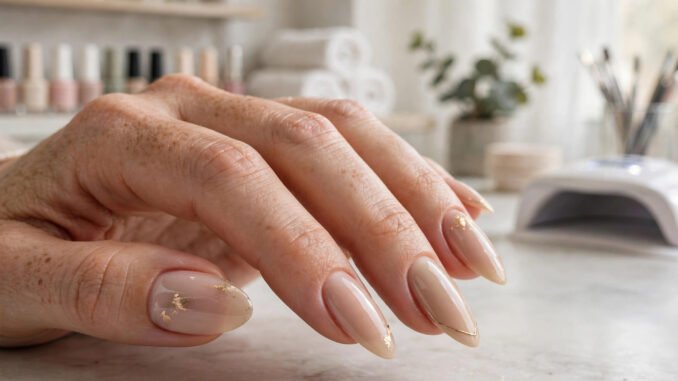
Almond, oval, square, coffin, stiletto — the nail shape menu at a Portland salon can feel like ordering in a foreign language, and the price differences between shapes are real. How much does choosing the right nail shape really cost in Portland, Oregon? The honest answer: the shape itself usually adds $0–$25 to a standard manicure, but the total cost depends on whether the shape requires extensions, how long the service takes, and where in Portland you go. Here’s the complete cost breakdown and the guide to choosing the right shape for your hands.
The Cost Breakdown: Portland Prices (2026)
Basic manicure (your natural nails, any filed shape): $25–$45. Filing your natural nails into almond, oval, square, or round shapes is included in a standard manicure at most Portland salons — the shape choice itself costs nothing extra. This is the budget sweet spot: a skilled tech shaping your natural nails well.
Gel manicure (natural nails): $45–$70. Same shaping included, plus gel polish cured under UV/LED lasting 2–3 weeks. The shape doesn’t change the price; the polish technology does.
Acrylic/gel extensions: $60–$120+. This is where shape affects cost. Dramatic shapes — long coffin/ballerina, stiletto, extreme almond — require extensions (tips or sculpted forms), and longer, more sculptural shapes take more time and product. A short natural-looking almond in gel: ~$60–$75. Long sculpted stiletto: $90–$120+. Intricate shapes also cost more in fills ($45–$75 every 2–3 weeks).
Dip powder: $45–$65. Shaping included; popular in Portland for durability. Works with most shapes on natural nails or short extensions.
Nail art: +$5–$15 per nail (or $20–$50+ for a full set of detailed art). Shape and art are separate cost centers — budget for both if you want both.
Portland price geography: Pearl District and downtown salons run 20–30% above the metro average; Southeast, St. Johns, and suburban Beaverton/Hillsboro shops often deliver equal quality for less. The city’s strong independent-salon scene means skilled techs at reasonable prices are genuinely available — Portland’s beauty market is competitive, which favors the customer.
Choosing the Right Shape: The Honest Guide
Forget trend-chasing for a moment. The right shape balances three things: your nail beds, your lifestyle, and maintenance willingness.
Oval: the universal flatterer. Elongates short nail beds, suits most hand shapes, works at any length, lowest-maintenance. If you don’t know what you want, choose oval — it’s the shape that looks good on nearly everyone and grows out gracefully.
Almond: elegant and elongating, the current classic. Requires some length (doesn’t work on very short nails). Slightly more prone to breakage at the tip than oval. Best for: medium to long nails, anyone wanting a refined look.
Square: modern, strong, great for long nail beds and French manicures. The corners catch and chip most easily — highest-maintenance of the natural-nail shapes. “Squoval” (square with softened corners) gives the look with half the chipping.
Round: natural, understated, the shortest-wearing shape. Ideal for very short nails, active lifestyles, and anyone who types all day. The practical choice that still looks polished.
Coffin/ballerina: dramatic, trendy, requires extensions and length. High-maintenance (fills every 2–3 weeks, breakage-prone). A commitment, not a whim.
Stiletto: the most dramatic — long, pointed, extension-required. Striking and impractical in equal measure; choose it for the aesthetic, knowing the lifestyle cost.
The hand-shape principle: elongating shapes (oval, almond) flatter shorter/wider fingers; the effect is real but subtle — don’t overthink it. More important: match shape to your actual life. A nurse, rock climber, or new parent should not get stilettos no matter how good they’d look — the shape you can maintain beats the shape you admire on Instagram.
The Real Cost: It’s the Maintenance, Not the Appointment
Here’s the budget math beginners miss: the first appointment is the cheapest part. A $65 gel-almond set needs $50 fills every 2–3 weeks — that’s $100–$130/month, $1,200–$1,560/year. Natural nails with regular polish: $35 manicure every 2 weeks = ~$70/month. Press-on nails at home: $8–$15 per set, 1–2 weeks of wear — under $30/month for the committed DIYer, and modern press-ons look remarkably good.
The budget hierarchy, annual cost: DIY press-ons (~$200–$350/year) → natural-nail manicures (~$600–$900/year) → gel on natural nails (~$900–$1,400/year) → extensions with fills (~$1,200–$2,000+/year). Choose the tier your budget sustains consistently — grown-out, chipped expensive nails look worse than well-kept affordable ones.
Portland-specific budget plays: beauty schools (Aveda Institute Portland and similar offer supervised student services at deep discounts), happy-hour manicure deals at neighborhood salons (common on weekday afternoons), and the city’s excellent supply stores for DIY (Portland’s nail supply shops are well-stocked for the press-on route).
The budget-beauty mindset extends naturally: affordable handbags that look expensive applies the same “strategic spending” logic to accessories — and building a capsule wardrobe on a budget covers the broader personal-style economics that make room in the budget for the beauty choices you actually value.
Nail Health: What the Shapes Don’t Tell You
Extensions aren’t free for your natural nails. Acrylics and gels, properly applied and removed, cause minimal damage; improperly removed (picked/peeled off — the #1 cause of nail damage) they thin and weaken nails significantly. Never peel off product. Soak off properly or have it done professionally.
Breaks matter. Continuous extension wear for years without breaks can leave nails thin and brittle. Periodic “naked nail” breaks with strengthening treatments keep the foundation healthy.
Shape affects breakage. Longer + more pointed = more leverage = more breaks. If your nails constantly break, the shape is too ambitious for your nail strength — go shorter and rounder, not stronger products.
Cuticle care is the real luxury. Pushed (never cut) cuticles, daily cuticle oil, and neat, tidy nail edges make any shape look expensive. It’s the $8 bottle of jojoba oil doing more than the $120 set. The AAD’s nail care guidance and the FDA’s cosmetics safety resources cover the health fundamentals behind the beauty choices.
Conclusion
How much does choosing the right nail shape really cost in Portland? The shape itself: $0 on natural nails (included in a $25–$45 manicure), $60–$120+ when the shape requires extensions — but the real cost is the maintenance tier you commit to, from ~$300/year (DIY) to ~$2,000/year (sculpted extensions with fills). Choose the shape for your nail beds and your life (oval if unsure, squoval for the square look without the chips), budget for the maintenance not just the appointment, and remember that cuticle care does more for the “expensive” look than any shape. In Portland’s competitive salon market, a skilled tech at a neighborhood shop beats a mediocre one downtown — shop for the technician, not the ZIP code.
Frequently Asked Questions
How much does a manicure cost in Portland, Oregon?
Basic manicure: $25–$45. Gel manicure: $45–$70. Dip powder: $45–$65. Acrylic/gel extensions: $60–$120+ depending on length and shape complexity. Fills every 2–3 weeks: $45–$75. Downtown/Pearl District runs 20–30% above the metro average.
What nail shape is best for short nails?
Oval or round — both elongate visually and work at short lengths. Almond needs some length to read correctly; square works short but chips more. If you’re unsure, oval is the universal safe choice that flatters nearly every hand.
Do extensions damage your natural nails?
Properly applied and professionally removed, minimal damage. The damage comes overwhelmingly from improper removal — picking or peeling off product tears layers of the natural nail. Always soak off properly, and take periodic breaks with strengthening treatments.
What’s the cheapest way to have nice nails?
Modern press-on nails: $8–$15 per set lasting 1–2 weeks, roughly $200–$350/year — and current press-on quality is remarkably good. Second cheapest: maintaining natural nails with regular $25–$35 basic manicures and daily cuticle oil at home.
How often do nail extensions need fills?
Every 2–3 weeks as the natural nail grows out, leaving a visible gap. Stretching beyond 3 weeks risks lifting (which traps moisture and can cause fungal issues) and breakage from the unbalanced weight. Budget $45–$75 per fill appointment.
Leave a Reply