
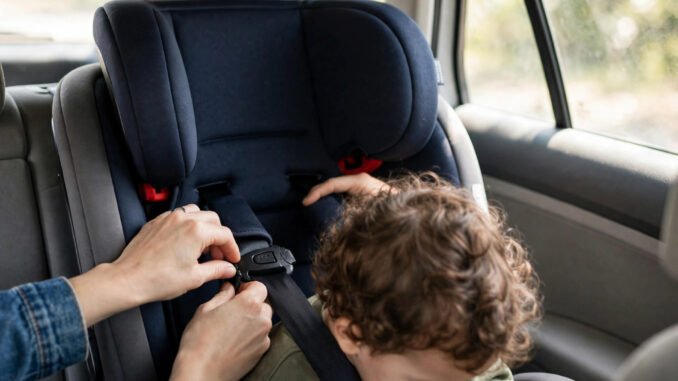
Car seats are one of those baby purchases that inspires genuine dread. They’re expensive, the safety stakes feel enormous, the options are overwhelming — and your toddler will outgrow whatever you buy faster than you’d like. So the question “is now a good time to start choosing car seats for toddlers, or should I wait?” deserves a real answer, not a shrug. Here’s the short version: if your child is approaching the limits of their current seat, now is the time. If they’re comfortably within limits, waiting is not just fine — it’s often smarter. The details matter, so let’s get into them.
The Timing Question, Answered Properly
Car seat transitions should be driven by your child’s size relative to the seat’s limits — not by age, not by birthdays, not by what other parents are doing. Every car seat has printed height and weight limits, and the rule from the American Academy of Pediatrics (AAP) is simple: keep your child in each stage as long as possible, until they genuinely outgrow it.
The stages, in order: rear-facing infant seat → rear-facing convertible → forward-facing with harness → booster → seat belt alone. The AAP recommends keeping children rear-facing until they reach the maximum height or weight allowed by their convertible seat — which for most kids means age 2 to 4, far longer than the old “turn them at one year” advice many grandparents still repeat.
So “should I wait?” depends entirely on where your child sits relative to those limits. If your toddler is nowhere near maxing out their current seat, waiting isn’t procrastination — it’s the recommendation. Buying the next seat early just means it sits in a closet aging out its expiration date (yes, car seats expire, typically 6–10 years from manufacture).
When “Now” Is the Right Answer
Start shopping when any of these are true:
Your child is within an inch of the seat’s height limit (for rear-facing, that’s when the top of the head is within one inch of the top of the shell) or approaching the weight limit. Don’t wait until they’ve outgrown it — you need the new seat installed and inspected before the old one becomes unsafe.
The infant carrier is getting physically unmanageable. Many parents move to a convertible seat around 6–9 months simply because hauling a 20-pound baby in a 10-pound carrier is unsustainable. That’s a legitimate reason to shop now.
You need a second seat for another car or caregiver. Grandparents, daycare pickup, the second family car — if the logistics demand it, the timing is now regardless of growth charts.
A new sibling is on the way. The hand-me-down cascade (newborn gets the infant seat, toddler gets the convertible) is the most economical path, but it requires buying the toddler’s next seat before the baby arrives — ideally in the second trimester, not the week before delivery.
When Waiting Is the Smarter Move
Your toddler fits comfortably with room to grow. Every month you wait is a month of newer models, better sales, and a later expiration date on the seat you eventually buy. Car seat technology improves incrementally — side-impact standards, easier installation systems, better fabrics — and prices on current models drop when new versions release.
You’re between vehicles. Car seats and cars interact: LATCH anchor positions, seat belt geometry, back-seat width, and rear-seat recline angles all affect which seats fit well. If a new car is coming in the next six months, wait and buy the seat for the car you’ll actually be driving.
Major sales are weeks away. Car seats go on significant sale predictably: Black Friday, Amazon Prime Day (July), and Target’s car seat trade-in events (twice yearly, typically spring and fall — 20% off a new seat when you recycle an old one). If you’re within a month or two of one of these and the current seat still fits safely, waiting can save $50–$150 on premium seats.
What Actually Matters When Choosing (The Short List)
When you do shop, beginners drown in features. Here’s what genuinely matters, in order:
1. Fit for your child, your car, and your life. The best seat is the one you’ll install and use correctly every single time. A $500 seat installed wrong protects worse than a $150 seat installed right. Check fit guides for your specific vehicle — many manufacturers publish them.
2. Rear-facing limits as high as possible. Since the guidance is to max out rear-facing, a convertible with high rear-facing weight and height limits (40–50 lbs rear-facing is now common) buys you the most safe time.
3. Ease of correct installation. Look for clear belt paths, lock-offs, and level indicators. LATCH has weight limits (child + seat = 65 lbs combined, then switch to seat belt installation) — a detail many parents miss.
4. Harness usability. No-rethread harnesses (adjust height with a lever instead of rethreading straps) save enormous hassle as toddlers grow. Easy-clean fabrics matter more than you’d think.
5. Expiration date and crash history. Never buy used unless you know its complete history — a seat that’s been in a crash must be replaced, and damage isn’t always visible. Check the expiration date on any seat before buying.
The NHTSA car seat finder tool matches seats to your child’s age and size, and the AAP’s car seat safety guidance is the authoritative reference on stage timing.
The Money Question
Convertible seats run roughly $150–$350 for well-regarded models; premium options reach $400–$550. The price spread mostly buys convenience features and fabrics, not safety — every seat sold in the U.S. must meet the same federal safety standard (FMVSS 213). A mid-range seat from a reputable brand, correctly installed, is as safe as the luxury option.
The real money strategy: buy one good convertible seat that covers rear-facing through forward-facing (many now go to 65 lbs harnessed), skip the separate infant carrier if budget is tight (convertibles work from birth with infant inserts), and use trade-in events for the purchase. Total cost for the toddler years: often a single $200–$300 seat. Parents traveling with a baby without losing their minds should know that a familiar, correctly installed seat also makes rental cars and flights dramatically less stressful.
Installation: The Part That Actually Determines Safety
Here’s the statistic that should reframe the whole purchase: NHTSA research has repeatedly found that a large majority of car seats are misused in some way — loose installation, loose harness, wrong belt path. The seat you buy matters less than the installation.
After buying: read both manuals (seat and car), use the one-inch test (the seat shouldn’t move more than an inch side-to-side at the belt path), keep the harness snug (no slack — “pinch test” the strap at the collarbone), and get a free inspection from a certified Child Passenger Safety Technician. Inspection stations are listed on the NHTSA website, and the check takes 20–30 minutes. For family road trips, finding pet-friendly hotels when road tripping covers the logistics side — but the car seat inspection should happen before any long drive, not during it.
Conclusion
Is now a good time to start choosing car seats for toddlers, or should you wait? Let your child’s measurements decide. Approaching the limits of the current seat, juggling a new sibling, or needing a second seat — shop now, and shop with installation ease as your top criterion. Comfortable with room to grow, between cars, or near a major sale — wait confidently; waiting is the expert recommendation, not laziness. Either way, remember that every seat on the U.S. market meets the same federal safety standard, so your money is best spent on correct installation and a free professional inspection. The safest car seat isn’t the most expensive one — it’s the one that’s installed right, used right, every single ride.
Frequently Asked Questions
When should I move my toddler to the next car seat stage?
When they outgrow their current seat’s height or weight limits — not at a specific age. The AAP recommends maxing out each stage, including keeping children rear-facing until they reach the convertible seat’s rear-facing limits (typically age 2–4).
Is it okay to buy a used car seat?
Only if you know its full history: never crashed, not expired, all parts and manual included, no recalls. Seats from trusted family members can be fine; seats from strangers, thrift stores, or with unknown history are not worth the risk.
Do more expensive car seats offer better protection?
Not in crash performance — all seats sold in the U.S. must pass the same federal standard (FMVSS 213). Higher prices buy convenience (easier installation, better fabrics, no-rethread harnesses), which can indirectly improve safety by making correct use more likely.
How do I know if a car seat will fit my car?
Check the seat manufacturer’s vehicle fit guide, read reviews from owners of your car model, and test-install before committing if possible. Back-seat width, LATCH anchor placement, and seat contour all affect fit.
Leave a Reply