
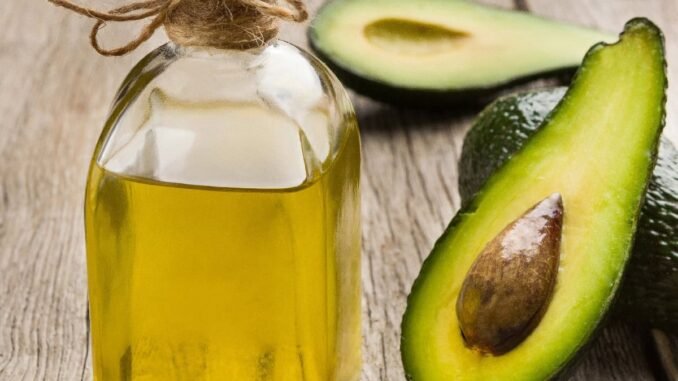
I burned through three bottles of extra-virgin olive oil before I learned the truth: not every oil belongs in a ripping-hot skillet. If you’ve ever wondered what is the best oil for high-heat cooking, you’re asking the right question, because the wrong oil doesn’t just taste bad — it smokes up your kitchen and breaks down into bitter, acrid flavors.
I’ve seared steaks, stir-fried at full blast, and deep-fried chicken in just about every oil on the grocery shelf. The short version? Refined avocado oil is my number-one pick for most high-heat jobs, with a smoke point around 520°F that laughs at screaming-hot cast iron. But the full answer depends on what you’re cooking, your budget, and whether flavor matters as much as performance.
What is the best oil for high-heat cooking: The Short Answer
The best oil for high-heat cooking is refined avocado oil (smoke point ~520°F), followed by refined peanut oil (~450°F) and light/refined olive oil (~465°F). These refined oils stay stable well past searing and stir-fry temperatures, while unrefined oils like extra-virgin olive oil (~375°F) and flaxseed oil (~225°F) will smoke and turn bitter. For deep frying on a budget, peanut oil or high-oleic sunflower oil gives you the best performance per dollar.
Why This Matters More Than You Think
Oil choice matters because of the smoke point — the temperature where an oil stops shimmering and starts smoking, breaking down and releasing bitter compounds. Searing a steak needs 450°F-plus surface heat, and a wok for stir-fry runs even hotter. FDA’s food safety guidance Use a thermometer once and you’ll be shocked how fast a thin skillet passes 500°F. The other factor is refinement: refined oils have impurities filtered out, which raises their smoke point dramatically. That’s why refined avocado oil beats its unrefined cousin by nearly 200 degrees.
5 Tips That Actually Work
Pick refined over unrefined, always
This is the single biggest upgrade you can make. Unrefined (a.k.a. virgin or cold-pressed) oils keep more flavor but smoke much earlier. For searing, stir-frying, and broiling, grab the bottle that says ‘refined,’ ‘light,’ or ‘high-heat.’ Save your peppery extra-virgin olive oil for dressings and finishing, where its flavor actually shines.
Match the oil to the job
Searing steak or scallops? Avocado oil’s neutral flavor and 520°F smoke point win. Deep-frying a turkey or a batch of wings? Peanut oil is the classic for a reason — it holds up through multiple batches and adds a faint nuttiness. Everyday sautéing under 400°F? Light olive oil or high-oleic sunflower oil works great and costs less.
Watch the shimmer, not the clock
You don’t need a thermometer for every sauté. Add oil to a hot pan and watch: when it thins out and starts to shimmer with faint ripples, it’s ready. If you see wisps of smoke, you’ve gone too far — pull the pan off the heat for 30 seconds, wipe it out, and start fresh. Smoking oil will make everything taste bitter no matter what you do next.
Don’t reuse frying oil more than a few times
Deep-fry oil breaks down with each use, dropping its smoke point. Strain cooled oil through a fine-mesh sieve into a clean jar, and reuse it 2–3 times for similar foods (don’t fry fish oil then use it for donuts). If it smells off, looks dark, or foams when heated, it’s done — pour it into a sealed container and toss it, never down the drain.
Store oil away from the stove
Heat and light turn good oil rancid fast. That cute bottle sitting next to your range is aging in dog years. Keep cooking oils in a cool, dark cabinet, and buy sizes you’ll use within 3–6 months. Avocado oil isn’t cheap — a 25-ounce bottle of Chosen Foods runs about $12 at Target — so don’t let it go stale on the counter.
My Favorite Tools and Brands
I only recommend gear I’ve actually used or that’s widely vetted by testing labs — Serious Eats’ tested cooking guides is worth checking before you buy.
- Chosen Foods 100% Pure Avocado Oil — ~$12 — My daily driver for searing; neutral taste, reliably high smoke point.
- Lodge 12-inch Cast Iron Skillet — ~$35 — Holds searing heat like nothing else; the pan most high-heat cooking deserves.
- ThermoPro TP19H instant-read thermometer — ~$17 — Takes the guesswork out of oil and meat temperatures.
- Fine-mesh strainer — ~$10 — Essential for straining and reusing deep-fry oil safely.
Common Mistakes to Avoid
- Using extra-virgin olive oil for searing. It smokes at ~375°F and turns bitter. Keep EVOO for salads and finishing drizzles.
- Heating an empty nonstick pan on high. Nonstick coatings break down above 500°F. Preheat nonstick on medium, and use cast iron or stainless for real searing.
- Crowding the pan. Too much food drops the temperature, so you steam instead of sear. Cook in batches — it’s faster in the end.
- Pouring used oil down the drain. It clogs pipes and causes expensive plumbing bills. Cool it, seal it in a jar or bottle, and trash it.
Frequently Asked Questions
Is canola oil good for high-heat cooking?
Refined canola oil has a smoke point around 400–450°F, so it handles most high-heat cooking fine and it’s cheap — usually under $5 for a big bottle. It’s a solid budget pick, though I prefer avocado or peanut oil for flavor and stability at the very highest temperatures.
Can I use butter for high-heat cooking?
Butter alone burns at around 350°F because of its milk solids. For high heat, use clarified butter (ghee), which has a smoke point near 485°F, or mix butter with a high-smoke-point oil so you get the flavor without the burning.
Does expensive oil make a difference?
For high-heat cooking, price mostly reflects sourcing, not performance. A $12 bottle of avocado oil sears just as well as a $25 one. Spend the money on good olive oil for finishing instead, where you’ll actually taste it.
What I Keep in My Pantry
After all this testing, my oil lineup has settled into three bottles: refined avocado oil for searing and stir-frying, a decent extra-virgin olive oil for dressings and finishing, and a big jug of peanut oil for the occasional deep-fry session. That trio covers literally everything I cook. Total investment is under $30, and the bottles last months. If you’re starting from zero, buy the avocado oil first — it’s the one that fixes the smoking-pan problem overnight — then add the others as your cooking expands.
Here’s my rule of thumb: refined avocado oil for searing, peanut oil for frying, and light olive oil for everyday cooking under 400°F. Keep the bottle away from the stove, watch for the shimmer, and never cook in smoking oil. If you want to keep building your kitchen skills, check out our guides on cook quinoa so it isn’t mushy, substitutes for eggs in baking, and season a cast iron skillet properly — small upgrades like these are what separate decent home cooking from the kind people actually crave.
Leave a Reply