
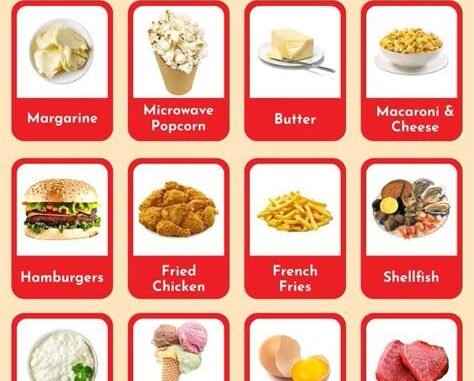
Your lab results came back: LDL cholesterol is high. Your doctor mentioned medication “if diet changes don’t work” — and you’d really prefer the diet changes work. Good news: they’re genuinely powerful. Certain foods lower LDL as effectively as some drugs’ first-line effects, and the overall dietary pattern matters more than any single superfood. If you’re asking what foods should I avoid if I have high cholesterol, here’s the evidence-ranked list — what to eat more of, what to cut, and the realistic numbers you can expect.
Quick lipidology primer: LDL (“bad”) cholesterol drives arterial plaque; HDL (“good”) helps clear it; triglycerides are another risk factor. Diet most powerfully affects LDL and triglycerides. Genetics matter too — some people have high LDL despite perfect diets (familial hypercholesterolemia) and need medication regardless. Food is first-line therapy, not always complete therapy. Never stop prescribed statins for dietary experiments — work with your doctor.
What Foods Should I Avoid If I Have High Cholesterol? The LDL Fighters (Ranked by Evidence)
1. Soluble fiber (the #1 dietary lever)
Soluble fiber binds cholesterol in the digestive tract and removes it — the best-understood food mechanism for LDL reduction. Each additional 5–10g of daily soluble fiber drops LDL ~5%.
- Oats and barley: The classic — 1.5 cups cooked oatmeal provides ~3g soluble fiber. The FDA allows a heart-health claim for oat soluble fiber for good reason.
- Beans and lentils: ½ cup cooked: 2–3g soluble fiber plus plant protein. The single highest-impact addition for most diets.
- Apples, pears, citrus: Pectin-rich fruits. An apple a day isn’t a myth here — it’s a delivery vehicle.
- Brussels sprouts, okra, eggplant: Vegetable sources that add up across meals.
- Psyllium husk: 1 tbsp in water daily (~7g soluble fiber) — the supplement with the strongest LDL evidence. Cheap, effective, unglamorous.
2. Nuts (especially almonds and walnuts)
~1.5 oz daily (a small handful) lowers LDL 5–10% in trials. Mechanisms: unsaturated fats, plant sterols, fiber. Walnuts add omega-3s (ALA). The catch: calorie-dense — measure the handful; “handful” creep is real.
3. Fatty fish (omega-3s for triglycerides)
Salmon, sardines, mackerel 2x/week primarily crush triglycerides (20–30% reductions) with modest LDL effects. If fish isn’t your thing, the principle extends: replace saturated fat calories with unsaturated ones, from whatever source.
4. Plant sterols/stanols
Found in fortified spreads (Benecol), some orange juices, and naturally in vegetable oils, nuts, and seeds. 2g daily lowers LDL ~10% — one of the largest single-food effects. The fortified products are the practical delivery method.
5. Soy protein
25g daily (tofu, edamame, soy milk) modestly lowers LDL (~3–5%). Not dramatic alone, but meaningful as a meat replacement — the substitution (soy instead of beef) matters more than the soy itself.
6. Olive oil and avocados
Monounsaturated fats replacing butter/lard: consistent LDL improvements. The Mediterranean pattern’s cornerstone. Cook with olive oil, dress salads with it, eat avocados — boring advice because it works.
What to Cut (Matters as Much as What You Add)
- Saturated fat: The primary dietary LDL driver. Biggest sources: fatty meats, butter, cheese, coconut oil, palm oil, pastries. Target: under 6% of calories (per AHA guidance) for those with high cholesterol — that’s ~13g daily on a 2,000-calorie diet. Read labels; saturated fat hides everywhere.
- Trans fats: Largely banned in the US, but check labels for “partially hydrogenated oils” in imported or old-stock products. Raise LDL and lower HDL — the worst combination.
- Refined carbs and added sugar: Drive triglycerides up and HDL down. Cutting sugary drinks is the highest-impact single change for triglycerides.
- Excess alcohol: Raises triglycerides significantly. If triglycerides are your problem, alcohol reduction is priority one.
The American Heart Association maintains detailed dietary guidance for cholesterol management — the authoritative reference for targets and patterns.
The Portfolio Diet: Combining Everything
Researchers combined all the evidence-based foods into the “Portfolio Diet” — and the results rival first-generation statins: LDL reductions of 20–30% in trials. The daily targets:
- 45g nuts
- 50g plant protein (soy/beans)
- 20g soluble fiber
- 2g plant sterols
You don’t need perfection — each component contributes independently. Even partial adoption (oats for breakfast, beans at lunch, nuts as snack, olive oil for cooking) captures most of the benefit. Our heart-healthy breakfast guide and energy foods guide build compatible meals.
Beyond Diet: The Full Picture
- Exercise: Raises HDL, lowers triglycerides, modestly helps LDL. 150 min/week moderate activity — see our beginner guide.
- Weight loss: 10 lbs lost improves the full lipid panel meaningfully.
- Quit smoking: Raises HDL within weeks of quitting.
- Medication when needed: If LDL stays above target after 3–6 months of serious dietary change (or if you’re high-risk), statins are among the most evidence-backed drugs in medicine. Diet-first is admirable; diet-only when drugs are indicated is risky. Decide with your doctor and your lab numbers, not ideology.
Quick Answers: Foods and Cholesterol
Do I have to give up cheese completely?
No — but portion it like the concentrated saturated-fat source it is. An ounce of hard cheese (about the size of your thumb) has ~6g saturated fat — nearly half the daily limit for someone managing cholesterol. Use strong-flavored cheeses (parmesan, aged cheddar) so a little goes a long way, and stop treating it as a main ingredient.
Are eggs bad for cholesterol?
Less than once believed. Dietary cholesterol affects blood cholesterol far less than saturated fat does — eggs are fine in moderation (a daily egg is acceptable for most people). The bacon and buttered toast alongside the eggs are the actual problem. Focus on saturated fat first, dietary cholesterol second.
What’s the worst single food for cholesterol?
Pastries and baked goods made with butter, palm oil, or shortening — they combine saturated fat, refined carbs, and large portions in one innocent-looking package. A single large muffin can carry 8–10g of saturated fat. Restaurant and fast-food fried items are close behind.
The bottom line: load up on soluble fiber (oats, beans, psyllium), nuts, fatty fish, plant sterols, and olive oil while cutting saturated fat below 6% of calories and eliminating sugary drinks — the Portfolio Diet combination can cut LDL 20–30%, rivaling early statins. Give serious dietary change 3–6 months with retesting, but accept medication gracefully if numbers don’t reach target. The goal is healthy arteries, not medication avoidance as an identity.
Leave a Reply