
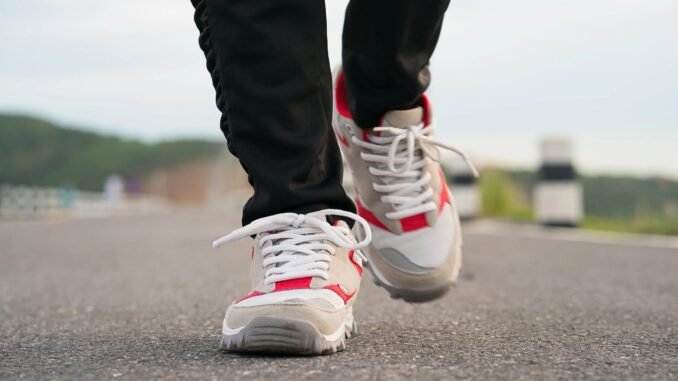
Twenty thousand steps on concrete, from subway stairs to museum marathons to “just one more block” — city walking destroys bad shoes and bad feet with equal enthusiasm. What are the best sneakers for all-day walking in the city? The answer isn’t the trendiest drop or the most expensive runner — it’s the intersection of cushioning, support, durability, and (because it’s the city) not looking like you’re about to run a marathon. I’ve walked cities on four continents, and the right pair is the difference between “let’s explore more” and “I need to sit down right now.”
Here’s what to look for, the specific pairs worth buying at every budget, and how to keep them going for thousands of city miles.
What Are the Best Sneakers for All-Day Walking in the City? What Matters
- Cushioning with support: you want impact absorption (concrete is unforgiving) PLUS arch support and a stable heel counter. Pure marshmallow cushion without support = tired, achy feet by afternoon. The sweet spot: responsive foam (not dead-flat, not wobbly-soft).
- Fit: thumb’s width between longest toe and shoe end; heel locked in with no slipping; wide enough that toes can splay. Shop in the afternoon (feet swell during the day) wearing your walking socks. Online sizing strategies apply — but for walking shoes, in-store fitting is worth it.
- Weight: lighter = less fatigue over 20,000 steps. Every extra ounce multiplies across thousands of strides.
- Traction: city surfaces get slick — rain-slicked subway tiles, cobblestones, metal grates. Decent rubber outsole tread matters more than you’d think.
- Style: you’re wearing these with actual outfits. The best city walkers look like intentional fashion choices, not orthopedic devices. (The chunky “dad shoe” era actually helped here — comfort became cool.)
- Break-in: the best walking shoes feel good immediately. “They’ll break in” is a lie sellers tell — if they hurt in the store, they’ll hurt at mile 8.
The Picks (By Budget)
- Best overall value: New Balance 574 / 990v6 (~$90–$200). The 574 is the classic city walker — supportive, durable, goes with everything. The 990v6 (Made in USA) is the premium upgrade. New Balance’s wide sizes are a godsend.
- Best cushioning: Hoka Clifton / Bondi (~$145–$165). Maximum foam, minimum weight — like walking on firm mattresses. The Bondi is the cushiest; the Clifton balances cushion with versatility. Slightly chunky look; unbeatable comfort.
- Best budget: Skechers Go Walk (~$60–$75). Not fashionable, extremely comfortable, featherlight. The “I don’t care what they look like, my feet are happy” champion. Enormous senior/travel following for a reason.
- Best stylish comfort: Adidas Ultraboost / Samba (~$90–$190). Ultraboost for cushion, Samba for the fashion-forward (less cushion, more style — fine for moderate days). Allbirds Tree Runners (~$100) for the minimalist aesthetic with surprising comfort.
- Best for wide/problem feet: Brooks Ghost / Addiction Walker (~$140). Brooks’ fit consistency and support are podiatrist-recommended. The Addiction Walker is specifically a walking (not running) shoe — rare and valuable.
- Best leather option: Cole Haan GrandPro / Ecco Soft 7 (~$130–$180). When sneakers need to pass at nicer restaurants — leather uppers, sneaker comfort, grown-up look.
- Best waterproof: trail-running hybrids (Salomon, Merrell Moab) for rainy cities — GTX versions handle downpours that destroy regular sneakers.
Making Them Last (and Your Feet Happy)
- Rotate two pairs if you walk daily — foam needs 24–48 hours to decompress. Rotation doubles each pair’s life.
- Replace at 300–500 miles. The cushioning dies before the upper looks worn — dead foam is why “my shoes are fine but my feet hurt.” For daily city walkers, that’s roughly every 6–9 months.
- Socks matter enormously. Moisture-wicking walking socks (Darn Tough, Balega, ~$15–$20/pair) prevent blisters better than any shoe feature. Cotton socks + all-day walking = blister city.
- Consider insoles. If you need more arch support, aftermarket insoles (Superfeet ~$50, or custom orthotics) transform decent shoes into perfect ones. Remove the stock insole first.
- Break them in with real walks before the big trip — 2–3 weeks of regular wear minimum. Never debut shoes on a 20,000-step day.
- Keep them clean: white sneaker care for the fresh look; for the rest, a brush-off and occasional wash keeps them city-ready.
Foot Problems? See a Professional
Persistent pain isn’t normal — it’s information. Plantar fasciitis (heel pain, worst in the morning), bunions, Morton’s neuroma, or chronic knee/hip pain from gait issues all warrant a podiatrist visit. The right shoe + the right insole + professional guidance resolves most walking pain. Don’t heroically suffer through 15,000 daily steps in the wrong shoes — that’s how 6-month injuries start. (And if knee pain is the issue, knee-strengthening exercises help enormously.)
For tested rankings updated regularly, Wirecutter’s walking shoe picks and Good Housekeeping’s tested roundups put real miles on every pair.
Breaking In New Walkers: The 2-Week Protocol
Never debut walking shoes on a big day — the break-in protocol prevents 90% of travel foot disasters. Week 1: wear the new shoes for 1–2 hours daily around the house and for short errands. Note any hot spots, heel slip, or pressure points — minor issues often resolve as the shoe molds; sharp pain never does (return those). Week 2: graduate to real walks — 30 minutes, then an hour, then your longest planned walk. Wear the exact socks you’ll travel with. If you’re using aftermarket insoles, break those in simultaneously (they change the fit). The test: a 2-hour walk with zero complaints means they’re trip-ready. Backup plan: for important trips, pack blister pads (moleskin or Band-Aid Hydro Seal) regardless — even perfect shoes can surprise you on day 5 of 20,000-step days. Feet swell during travel (flights, heat, salt), so shoes that fit perfectly at home might run snug on the road — when between sizes, the slightly roomier choice wins for travel.
The practical takeaway: prioritize cushioning + support + fit over hype — New Balance, Hoka, Brooks, and Adidas cover every budget and foot type. Shop in the afternoon, demand immediate comfort, invest in real walking socks, rotate pairs, and replace at 300–500 miles. Your feet carry you through every city — treat them like it.
Leave a Reply