
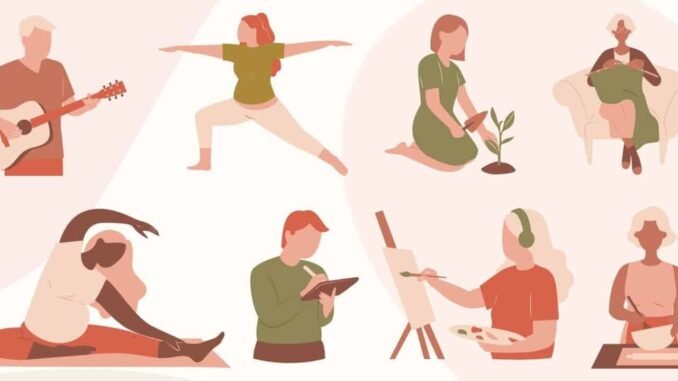
Somewhere between college and a mortgage, most of us quietly stopped having hobbies. Work ends, you scroll your phone, you sleep, you repeat. When I turned 32, I realized I couldn’t name a single thing I did “just for fun” — and that realization bugged me more than I’d like to admit. If you’re wondering what are the best hobbies to start as an adult, the honest answer is: the best hobby is the one that fits your actual life, not your fantasy life.
Forget the Instagram version where everyone is suddenly into sourdough and marathon training. The right hobby for you depends on three things: your budget, your schedule, and whether you recharge around people or alone. Here’s a field guide to options that real adults actually sustain past the three-week mark.
What Are the Best Hobbies to Start as an Adult? Match the Hobby to Your Energy
If you want to move your body (without the gym dread)
- Pickleball: The fastest-growing sport in America for a reason. Most rec centers offer beginner sessions for $5 to $10, paddles start around $30 on Amazon, and the learning curve is gloriously flat — you’ll be rallying in your first hour. It’s social by design; you’ll know everyone’s name by week three.
- Hiking: Free after the shoes. Apps like AllTrails show trails near you with difficulty ratings, and local hiking Meetup groups welcome total beginners. A decent pair of trail shoes runs $80 to $120 at REI and lasts years.
- Swimming or water aerobics: Easy on the joints, and most YMCAs offer monthly memberships around $40 to $60 with classes included. Great if running makes your knees file complaints.
- Dance classes: Salsa, swing, line dancing — beginner series usually run $60 to $100 for six to eight weeks. You don’t need a partner; classes rotate.
If you want to make things with your hands
- Pottery: Beginner wheel-throwing classes run $150 to $250 for a multi-week session including clay and kiln time. It’s meditative, messy in the best way, and you end up with mugs people actually envy.
- Woodworking: Start small — a local makerspace membership ($50 to $100/month) gives you access to tools that would cost thousands to buy. Build a cutting board first, not a bookshelf.
- Gardening: Even a sunny windowsill works. A starter setup of pots, soil, and seeds costs under $40 at Home Depot, and cherry tomatoes you grew yourself taste like a small miracle.
- Photography: Your phone is enough to start. Free composition courses on YouTube plus a weekend photo walk will teach you more than a $2,000 camera would in year one.
If you want people (but hate awkward small talk)
Activity-based socializing beats “networking events” every time, because the activity does the conversational heavy lifting. Board game cafes charge $5 to $10 for an evening and attract exactly the kind of people who want low-pressure fun. Volunteering — food banks, trail cleanups, animal shelters — costs nothing and introduces you to people who show up consistently, which is how friendships actually form. Community ed classes through your city or county (cooking, languages, improv) typically run $50 to $150 for a full course and put you in a room with the same people weekly.
Meetup.com remains the most practical tool for this — search your city plus any interest and you’ll find groups that meet in real life, not just online. I found my hiking group there, and two years later those people are genuine friends, not just “trail acquaintances.”
The Starter-Kit Trap (and How to Dodge It)
The fastest way to kill a new hobby is spending $800 on gear before you know if you like it. My rule: the $50 test. Spend no more than $50 getting started — borrow, rent, buy used on Facebook Marketplace, or take a one-off intro class. If you’re still excited after a month, then invest. This applies double to hobbies with expensive entry points like cycling, golf, or music. And if you’re the entrepreneurial type, some of these can grow into side hobbies that earn extra money — photography and woodworking both have natural paths to paid gigs.
How to Actually Fit It Into an Adult Schedule
“I don’t have time” usually means “it’s not on my calendar.” Treat your hobby like a dentist appointment for the first two months — a fixed weekly slot, non-negotiable. Ninety minutes once a week beats ambitious plans for daily practice that collapse by Thursday. Pair it with something you already do: a podcast you only allow yourself during your pottery studio time, or a friend you only see at pickleball.
Also, give yourself permission to be bad at it. Adults quit hobbies because being a beginner feels embarrassing. But being a beginner is the entire point — it’s the one part of your week where nobody expects competence, and that freedom is rarer and more valuable than you’d think. If picking up something new appeals to you, learning a new skill as an adult gets easier with the right approach.
Your First Weekend: The 2-Hour Test Drive
Don’t commit to a hobby — test-drive it. Pick two or three candidates from your list and give each one a single two-hour trial this weekend. That’s it. Two hours is long enough to feel the real texture of an activity (the fiddly setup, the learning curve, the quiet satisfaction) but short enough that a dud costs you nothing. Borrow or rent gear instead of buying: most climbing gyms rent shoes, libraries lend instruments in some cities, and community centers run $15 drop-in pottery or cooking classes.
After each test drive, score it 1–10 on one question: “Do I want to do this again next Saturday?” Anything 7+ earns a second session. Then apply the three-session rule — commit to three sessions before judging. Session one is awkward for everyone; session three is where you find out if the spark is real. And tell one person what you’re trying. Saying “I’m learning to make pasta on Sundays” out loud creates a gentle accountability that gets you to session two. The goal of the first weekend isn’t finding your passion — it’s just collecting data.
The Bottom Line
You don’t need a personality transplant or 10 free hours a week — you need one thing you look forward to that isn’t a screen. Pick one hobby from this list that made you think “huh, that sounds fun,” do the $50 test, and put it on next week’s calendar. Six months from now, you’ll either have a new favorite thing or a funny story. Both beat another six months of scrolling.
Leave a Reply