
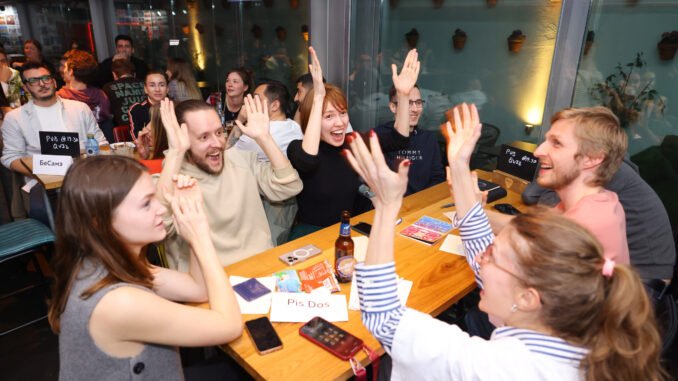
Home trivia nights die when the host reads Wikipedia aloud for two hours while guests check their phones. If you’re asking how do I host a trivia night at home that is actually fun, the secret is that great trivia is 30% questions and 70% showmanship — pacing, variety, stakes, and the sacred art of the tiebreaker.
I’ve hosted quarterly trivia nights for five years, and the formula is locked: six rounds, mixed formats, prizes that cost almost nothing, and a host who keeps it moving. Here’s how to run one people beg you to repeat.
How do I host a trivia night at home that is actually fun: The Short Answer
Host a fun home trivia night with: 6 rounds of 8–10 questions (mix general knowledge, music clips, picture rounds, and themed rounds), teams of 3–5 people, a confident host with a mic or strong voice, answer sheets and pens, a visible scoreboard, small prizes for winners (and funniest team name), a tiebreaker question, and a strict 2-hour runtime. Write or source questions in advance — never wing it. Ban phones with a penalty system.
Why This Matters More Than You Think
Trivia works because of the ‘near-miss’ effect — questions you almost know are more fun than ones you nail or bomb. Sporcle’s trivia question database Great hosts calibrate difficulty so teams get 60–70% right: enough success to feel smart, enough misses to stay humble. Variety matters more than depth — a picture round, an audio round, and a themed round break up the question-answer rhythm that causes attention drift. And stakes, even silly ones, transform casual answering into genuine competition.
6 Tips That Actually Work
Structure: 6 rounds, 2 hours max
Round 1: General knowledge (warm-up, medium difficulty). Round 2: Picture round (printed sheets — celebrity childhood photos, logos, maps). Round 3: Themed (movies, 90s, your friend group’s inside jokes). Round 4: Audio (15-second song clips — name the artist/title). Round 5: General knowledge (harder). Round 6: Wager round (teams bet points, high drama). Score between rounds 3 and 5 while playing music. End by 10 p.m. — leaving them wanting more beats overstaying.
Write questions people can almost answer
The sweet spot: 60–70% gettable. ‘What year did the Titanic sink?’ (too easy) vs. ‘Name the Titanic’s sister ships’ (too hard) vs. ‘The Titanic sank in 1912 — what ocean?’ (perfect warm-up). Include one ‘gimme’ per round for morale and one stumper for glory. Source from Sporcle, TriviaPlaza, or pub-quiz books (~$15) — never write all 50 yourself; curate instead.
Run the room like a game show
Read with energy, add 10 seconds of banter between questions, announce scores with drama (‘Team Quiztopher Nolan has taken the lead!’). Use a free scoreboard app or whiteboard — visible standings create narratives. Enforce the phone rule with humor: first offense, warning; second, minus 5 points. The host’s energy is the night’s energy.
Prizes: cheap, funny, coveted
Winners: a $10 trophy from the party store, candy bars, or the sacred Trivia Champion crown (a Burger King crown spray-painted gold — legendary). Also award: best team name, most creative wrong answer, best comeback. Multiple prize categories mean more teams stay invested to the end.
Feed them strategically
Finger foods that don’t interrupt writing: popcorn, pretzels, sliders, a taco bar during the scoring break. Avoid anything requiring two hands and full attention during rounds. Drinks flowing, obviously — but the scoring break is the natural refill point. Keep it simple; the trivia is the main course.
The tiebreaker and the finale
Always prepare a numeric tiebreaker (‘How many bricks in the Empire State Building?’ — closest wins, no going over, Price-is-Right rules). End with the wager round for maximum drama: last-place teams can steal victory, which keeps everyone engaged through round 6. Announce final standings like a ceremony.
My Favorite Tools and Brands
For independent reviews and current availability before you spend any money, Forbes on social gathering trends is a solid reference.
- A Bluetooth speaker — ~$30 — For audio rounds and background music during scoring.
- Whiteboard or scoreboard app (free) — Visible standings create the competitive narrative.
- Printed picture rounds — ~$5 — Print at home or the library; visual variety is essential.
- A prize crown/trophy — ~$10 — The sillier the trophy, the harder teams fight for it.
Common Mistakes to Avoid
- Making it too hard. A room of zeros isn’t fun. If every team is bombing, your questions are wrong, not your guests.
- Letting it run 3+ hours. Attention dies after 2 hours. Six tight rounds beats eight rambling ones.
- One giant team dominating. Cap teams at 5 and split couples/friend groups if needed. Blowouts kill the vibe for everyone else.
- Reading questions monotonously. You’re the show. Energy, pacing, and banter are the difference between trivia night and a lecture.
Frequently Asked Questions
Where do I get trivia questions?
Sporcle’s quiz database, TriviaPlaza, pub quiz question books (~$15 on Amazon), and the LearnedLeague archives. Curate across sources for variety — never pull all 50 questions from one place.
How many people do I need for trivia night?
8–20 is ideal (3–5 teams of 3–5). Fewer than 8 works as individuals or pairs; more than 20 needs a PA system and a co-host for scoring.
Can I do virtual trivia night?
Yes — Zoom + a shared Google Form for answers works well. Share picture rounds via screen share, play audio through the call. It’s 80% as fun with 100% less cleanup.
The Championship Season
Once your group is hooked, run a season: 6–8 trivia nights across the year with cumulative scoring and a grand prize (a trophy, a dinner, eternal glory). The season format transforms casual attendance into commitment — teams start studying, rivalries develop, and the finale becomes an event. Keep a simple spreadsheet of standings and post updates in the group chat. My group’s third season just ended; the winning team has held the trophy for a year and the rematch energy is unreal.
Six rounds, mixed formats, calibrated difficulty, showman hosting, silly prizes — that’s a trivia night people talk about for months. The questions are just the excuse; the competition is the fun. For more ways to host legendary nights, see get cheap tickets to concerts and live shows, animated movies for adults to enjoy, and binge-worthy tv series with short episodes.
Leave a Reply