
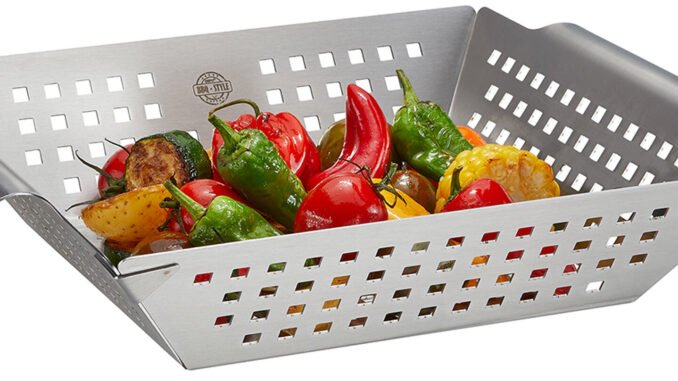
There’s nothing quite like watching a beautiful slice of zucchini slip through the grill grates into the flames — except maybe the smell of it incinerating while your dinner falls apart. If you’re asking how do I grill vegetables so they don’t fall through the grates, you’re dealing with the most common vegetable-grilling frustration there is.
I’ve grilled everything from asparagus to artichokes over the years, and the solutions are straightforward: cut bigger, use the right tools, and know which vegetables need a basket. Here’s how to keep every last piece where it belongs — on the grill, then on your plate.
How do I grill vegetables so they don’t fall through the grates: The Short Answer
Keep vegetables from falling through grill grates by cutting them into large pieces (at least 1 inch thick), using a grill basket or grill pan for small items, threading small vegetables onto skewers, or laying asparagus and similar items perpendicular to the grates. Oil both the vegetables and the grates, grill over medium-high heat, and use tongs — not a fork — for turning.
Why This Matters More Than You Think
The physics are simple: standard grill grates sit about 3/4 inch apart, so anything thinner or narrower than that is living dangerously. But there’s more to it — vegetables shrink as they cook and release water, so a snug fit at the start becomes a loose fit halfway through. FoodSafety.gov’s grilling safety tips High heat helps too: a hot grate sears on contact, which firms the surface and makes vegetables less likely to slip and stick. Cold grates grab; hot grates release.
5 Tips That Actually Work
Cut big and cut smart
Slice zucchini, eggplant, and summer squash into 1/2-inch-thick planks or rounds — thick enough to span the grates even after shrinking. Halve bell peppers instead of slicing them into strips. Leave mushrooms whole or halve only the giants. When in doubt, bigger is better.
Get a grill basket — it changes everything
A $15–20 grill basket (Weber makes a great one) is the single best investment for vegetable grilling. Small items like cherry tomatoes, sliced onions, broccoli florets, and cubed squash go in the basket; they get full smoke and char with zero losses. Shake or stir every few minutes for even cooking.
Skewer the small stuff
Asparagus, shrimp-sized mushrooms, cherry tomatoes, and pepper chunks are perfect for skewers. Thread asparagus through two parallel skewers to make a ‘raft’ that flips in one motion. Soak wooden skewers 30 minutes first, or invest in flat metal skewers (~$12 for 6) that stop food from spinning.
Go perpendicular
Laying long vegetables — asparagus, green beans, scallions — across the grates at a 90-degree angle means they rest on multiple bars instead of sliding between two. It sounds obvious, but half of grill casualties happen because someone laid the asparagus parallel to the grates.
Oil the vegetables and the grates
Toss vegetables in oil before they hit the grill — dry vegetables stick, then tear, then fall apart through the gaps. Also brush or spray the hot grates with oil (use a paper towel dipped in oil, held with tongs). Well-oiled grates release cleanly, which keeps pieces intact.
My Favorite Tools and Brands
I only recommend gear I’ve actually used or that’s widely vetted by testing labs — Serious Eats’ grilling guides is worth checking before you buy.
- Weber grill basket — ~$20 — The MVP for small vegetables; nothing falls through, everything gets char.
- Flat metal skewers, set of 6 — ~$12 — No spinning, no burning, dishwasher safe forever.
- Long-handled tongs — ~$15 — 16-inch tongs keep your hands away from the heat while turning.
- Grill pan (cast iron) — ~$25 — For the smallest items; sits right on the grates like a skillet.
Common Mistakes to Avoid
- Cutting vegetables too thin. Thin slices dry out, stick, and slip through. Half-inch minimum for direct grilling.
- Grilling over low heat. Low heat steams vegetables and makes them stick. Medium-high gives you char and easy release.
- Using a fork to turn. Piercing lets juices escape and breaks pieces apart. Tongs only.
- Walking away. Vegetables go from charred-perfect to cremated in about 90 seconds. Stay close, especially with sugary veg like corn and peppers.
Frequently Asked Questions
What temperature should I grill vegetables?
Medium-high, roughly 400–450°F. Hot enough to char the outside before the inside turns to mush. Dense vegetables (potatoes, carrots) benefit from par-cooking first — microwave 3–4 minutes before grilling.
Should I parboil vegetables before grilling?
For dense ones, yes — carrots, potatoes, and thick cauliflower steaks cook more evenly with a quick parboil or microwave head start. Tender vegetables (zucchini, peppers, asparagus) go straight on.
How do I keep grilled vegetables from sticking?
Three things: clean grates (brush while hot), oiled grates, and oiled vegetables. And patience — if it’s sticking, it’s not ready to flip. Give it another minute and it’ll release on its own.
My Favorite Vegetable Combos
After years of grilling, my three unbeatable combinations: (1) zucchini planks + bell pepper halves + red onion wedges with balsamic glaze; (2) asparagus rafts + portobello caps + corn on the cob with garlic butter; (3) eggplant rounds + cherry tomato skewers + halloumi cheese with chimichurri. Each combo shares a grill basket or grate space efficiently and finishes in the same 10–15 minute window, so everything hits the table hot together. One more combo worth mentioning: sliced sweet potatoes (par-cooked 4 minutes in the microwave first) with red onion and poblano peppers, finished with lime and cotija cheese. The par-cook trick works for any dense vegetable — carrots, winter squash, thick cauliflower steaks — giving you charred outsides and creamy middles in the same 12-minute window.
Big cuts, a grill basket for the small stuff, skewers for the medium stuff, and everything perpendicular to the grates — that’s the whole system for loss-free vegetable grilling. Fire it up alongside keep fresh herbs from going bad so fast, round out the plate with vegetables to roast for meal prep, and save room for cook quinoa so it isn’t mushy.
Leave a Reply