
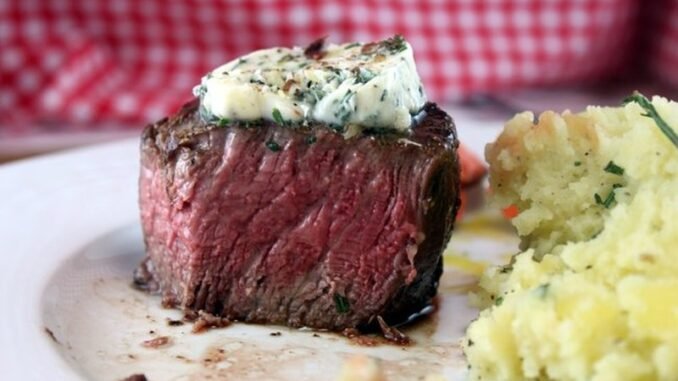
You don’t need a grill for a great steak — you need a screaming-hot cast-iron skillet and a thermometer. Honestly, the cast-iron method gives you a better crust than most home grills, because the entire surface of the meat contacts blazing metal instead of just the grate lines. Learning how to cook the perfect steak at home without a grill is a 20-minute skill that pays off forever — a $15 ribeye cooked right beats a $50 restaurant steak cooked carelessly. Here’s the exact method.
What to Buy (The Steak Matters)
- Best cuts for pan-searing: ribeye (marbled, forgiving, flavorful — the #1 pick), NY strip (beefy, slightly leaner), filet mignon (tender, less flavor — needs the butter baste), sirloin (budget-friendly, good with proper technique).
- Thickness: 1.25–1.5 inches minimum. Thin steaks overcook before they sear — this is the most important spec. Ask the butcher; most pre-cut supermarket steaks are too thin.
- Grade: Choice is the sweet spot (good marbling, $12–$20/lb). Prime ($20–$35/lb) for occasions. Select is lean — only for marinating cuts.
- Budget move: chuck eye steak (“poor man’s ribeye,” $8–$12/lb) — cut from near the ribeye, surprisingly marbled, excellent pan-seared.
Prep (1–24 Hours Ahead Ideally)
- Salt early: salt generously with kosher salt (not table salt) at least 40 minutes before cooking — or ideally overnight uncovered in the fridge. Early salting seasons deeply and dries the surface (dry surface = better sear). Salting right before cooking is the worst timing — it draws moisture to the surface that then steams instead of sears.
- Room temperature: let the steak sit out 30–45 minutes before cooking. A fridge-cold center won’t cook evenly.
- Pat completely dry with paper towels right before the pan. Moisture is the enemy of crust — this step is non-negotiable.
- Pepper after cooking (pepper burns at searing temps and turns bitter) — or use coarse pepper in the last minute.
The Sear (Cast Iron Method)
- Heat a cast-iron skillet over high heat for 5 full minutes — it should be faintly smoking. Add 1 tablespoon high-smoke-point oil (avocado, refined — not olive oil, which burns).
- Lay the steak away from you (avoids splatter). Press down gently for 10 seconds for full contact.
- Sear 2–3 minutes per side without moving it — the crust forms through undisturbed contact. Flip once (or use the multi-flip method — flipping every 30 seconds cooks more evenly; both work).
- Butter baste: in the last 2 minutes, drop in 2 tablespoons butter + crushed garlic + thyme sprigs, tilt the pan, and spoon the foaming butter over the steak repeatedly. This is the restaurant secret — it adds flavor and helps even cooking.
- Check temperature with an instant-read thermometer: 120–125°F for rare, 130–135°F for medium-rare (pull 5°F below target — carryover cooking finishes the job).
- Rest 5–10 minutes on a warm plate, tented loosely with foil. Cutting early = juice flood on the board. Resting = juice in the meat.
How Do I Cook the Perfect Steak at Home Without a Grill? The Reverse Sear (Thick Steaks)
For steaks 1.5+ inches thick, the reverse sear is superior: bake at 250°F on a wire rack until 10–15°F below target (45–60 minutes), then sear 60–90 seconds per side in the screaming-hot skillet. Result: edge-to-edge perfect doneness with zero gray band — the single biggest quality jump in home steak cooking. It takes longer but the oven does the work.
Troubleshooting
- No crust: pan wasn’t hot enough, steak wasn’t dry, or you crowded the pan (cook one at a time).
- Gray band under the crust: heat too low during sear, or steak too thin — go thicker, go hotter.
- Smoke alarm: normal-ish — use the vent fan on high, open a window, and accept that great steak makes some smoke. Avocado oil smokes less than butter for the initial sear.
- Tough chew: slice against the grain — look at the meat’s fiber lines and cut perpendicular. This alone can transform a chewy strip into a tender one.
Per the USDA, whole-muscle steaks are safe at 145°F with a 3-minute rest — though most steak lovers (and chefs) prefer the 130–135°F medium-rare zone, which the USDA’s own time-temperature tables support as safe for intact muscle. Thick steak, early salt, dry surface, ripping-hot cast iron, thermometer, rest. That’s the whole religion, and it fits in one pan.
Steak Cooking Mistakes to Avoid
- Thin steaks: under 1.25 inches, steaks overcook before they sear — no crust, gray interior. Thickness is the most important spec; ask the butcher, don’t grab the pre-cut thin ones.
- Wet surface: moisture steams instead of sears — the enemy of crust. Pat completely dry with paper towels right before the pan, salt early (40+ min or overnight) so the surface dries.
- Skipping the thermometer: time is a guess, temperature is a fact — the difference between perfect medium-rare and overdone is 10°F and 90 seconds. A $15 instant-read is non-negotiable.
- Cutting too soon: slicing immediately lets juices flood the board. Rest 5–10 minutes — carryover cooking finishes the steak while juices redistribute. The hardest step is waiting.
Cooking Steak FAQs
What’s the best steak for pan-searing?
Ribeye — marbled, forgiving, flavorful; the #1 pick. NY strip: beefy, slightly leaner. Filet: tender but mild (needs the butter baste). Budget champion: chuck eye (“poor man’s ribeye,” $8–$12/lb) — cut near the ribeye, surprisingly marbled, excellent seared.
What temperature is medium-rare?
Pull at 130–135°F (carryover adds ~5°F during rest). Rare: 120–125°F. Medium: 135–145°F. The USDA recommends 145°F + 3-min rest for safety — though their own time-temperature tables support lower temps for intact muscle, which is why chefs serve 130–135°F.
Should I oil the steak or the pan?
The pan — 1 tablespoon high-smoke-point oil (avocado, refined) in a ripping-hot cast iron skillet. Oiling the steak works too, but the pan method gives more even coverage. Not olive oil — it burns at searing temps.
What is the reverse sear method?
Oven first, sear last — bake at 250°F on a wire rack until 10–15°F below target (45–60 min for thick steaks), then sear 60–90 seconds per side in screaming-hot cast iron. Result: edge-to-edge perfect doneness, zero gray band. Superior for steaks 1.5″+ thick.
Leave a Reply