
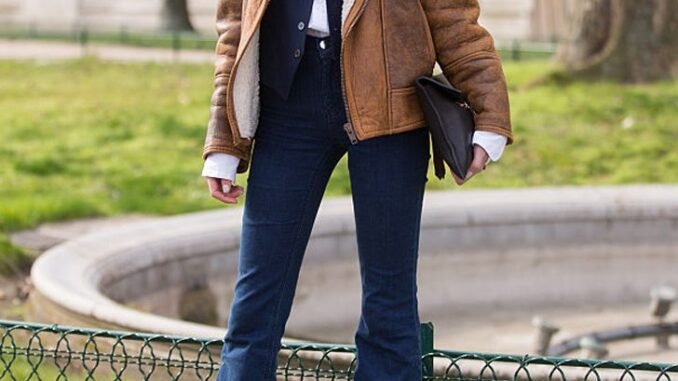
Fall layering in theory: effortlessly chic, textured, interesting. Fall layering in practice: you look like a marshmallow and can’t put your arms down. How do I layer clothes for fall without looking bulky? The secret is that sleek layering isn’t about fewer layers — it’s about smarter layers: thin where it counts, structured where it shows, and strategic about which layer provides the warmth versus which provides the look. I’ve cracked this over years of transitional-weather dressing, and the principles work from 65°F afternoons to 40°F mornings.
How Do I Layer Clothes for Fall Without Looking Bulky? The 3-Layer Formula
Every sleek layered outfit follows the same architecture:
- Base layer (thin, fitted): the warmth foundation. A thin long-sleeve tee, turtleneck, or thermal (Uniqlo Heattech, ~$20) — fitted, not tight, in a neutral. This layer should add zero visual bulk. Tuck it in for waist definition.
- Mid layer (the style layer): this is what people see — a sweater, cardigan, flannel shirt, vest, or blazer. ONE mid-layer, chosen for texture and interest. This is where the outfit’s personality lives.
- Outer layer (structured): the finishing piece — trench, wool coat, leather jacket, denim jacket, or blazer. Structure is key: a structured outer layer over softer inner layers creates polish instead of puff.
Three layers, each doing one job. The bulk problem comes from stacking multiple thick layers (sweater + hoodie + puffer = marshmallow) or from shapeless layers with no definition.
The Anti-Bulk Rules
- Thin to thick, inside out. Each successive layer should be equal or slightly thicker than the one beneath — never a bulky layer trapped under a thin one (it bunches and bulges).
- Show the waistline. Belt over the mid-layer, front-tuck the base, or choose a cropped jacket that ends at the waist. Visible waist = visible shape = not bulky. This is the #1 fix.
- Vary the lengths. Layers ending at different points (base tucked, sweater hitting hip, coat hitting mid-thigh) create long vertical lines. Layers all ending at the same point create a horizontal shelf of bulk.
- Slim on the bottom. Layered on top + slim jeans or tailored trousers = balanced. Layered on top + wide-leg everything = volume everywhere = bulky. (The exception: intentional oversized-on-oversized, which is advanced and needs perfect proportions.)
- Push/roll sleeves strategically. Showing the base layer’s cuff below the mid-layer’s pushed sleeve adds a deliberate, styled detail — and reveals wrists, the slimmest visual point.
- Monochrome or tonal. Layers in the same color family read as one sleek column; high-contrast layers chop you into segments. Camel + cream + brown = endless length. Black + white + red = chopped.
Copy-Paste Fall Formulas
- The classic: white tee (tucked) + oversized cardigan + trench coat + straight jeans + ankle boots. Belt the cardigan if it’s long.
- The polish: black turtleneck + plaid blazer + wool overcoat + dark jeans + loafers. Three neutrals, infinite sophistication.
- The casual: striped long-sleeve + denim jacket + quilted vest over it + black leggings + sneakers. (Yes — vest OVER jacket works and looks intentional.)
- The edgy: fitted thermal + leather jacket + long wool scarf + skinny jeans + Chelsea boots. The scarf is the “layer” that adds warmth without bulk.
- The office: silk blouse + sleeveless sweater vest + blazer + tailored trousers + pointed flats. Sweater vests are the ultimate office layering piece — warmth with zero sleeve bulk.
Accessories: Warmth Without Bulk
The smartest layers aren’t clothes at all: a big scarf adds the warmth of a sweater with none of the bulk (and it’s removable indoors). Tights under dresses, knee-high boots, a beanie — these warm you without touching your torso’s silhouette. A scarf + structured coat is often all the “layering” you need.
Fabric Choices for Sleek Warmth
- Merino wool: warm at half the thickness of regular wool, naturally odor-resistant. The sleek-layering secret weapon.
- Cashmere blends: maximum warmth per millimeter. Worth the investment for base/mid layers you’ll wear constantly.
- Technical thermals: Heattech, silk-weight base layers — warmth you can’t see.
- Avoid: chunky knits as mid-layers under structured jackets (bulk collision), anything with shoulder pads under anything else, and fleece as a visible mid-layer (cozy but shapeless — keep fleece as a hidden base).
For the outer layer specifically, choosing the right winter coat covers the heavy-duty end, and styling oversized sweaters handles the bulkiest single piece in most fall wardrobes.
For visual inspiration, Who What Wear’s fall layering edits demonstrate these principles on real outfits.
Layering for Different Fall Temperatures
Fall isn’t one temperature — it’s three seasons in a trench coat. 60–70°F (early fall): one light layer is plenty — a denim jacket, cardigan, or overshirt over your summer clothes. The “third piece” rule (any third item elevates an outfit) does all the work here. 45–60°F (peak fall): the full 3-layer formula above — base + mid + outer. This is layering’s sweet spot, where the system shines. 30–45°F (late fall): upgrade each layer’s warmth — thermal base, heavier mid (sweater instead of shirt), warmer outer (wool coat instead of trench). Add the accessory layers: scarf, gloves, beanie, tights. The mistake people make is jumping from summer clothes + one jacket straight to the winter parka, skipping the entire elegant middle. Master the middle temperatures and you’ll look better than everyone else for two full months — fall is the most stylish season precisely because layering is the style.
The One-Jacket Fall Wardrobe
If you buy one fall jacket, make it a water-resistant trench or a quilted barn jacket — both span the full fall temperature range with layering adjustments underneath. The trench (classic, polished, endlessly versatile) works from 65°F afternoons to 40°F mornings with the right layers beneath. The barn jacket (rugged, relaxed, very current) does the same with a more casual lean. Both layer over blazers and sweaters, both handle light rain, both look intentional with jeans or trousers. One $120–$180 jacket + the 3-layer system underneath = the entire fall wardrobe solved. Everything else (the leather jacket, the denim jacket, the wool overcoat) is wonderful but optional — this is the one that earns its closet space daily.
The practical takeaway: thin fitted base + one interesting mid-layer + one structured outer layer. Show the waistline, vary the lengths, go tonal, keep bottoms slim, and let accessories (scarves, tights, boots) do quiet warming work. Sleek fall layering is architecture — every layer has a job, and bulk is just layers without a plan.
Leave a Reply