
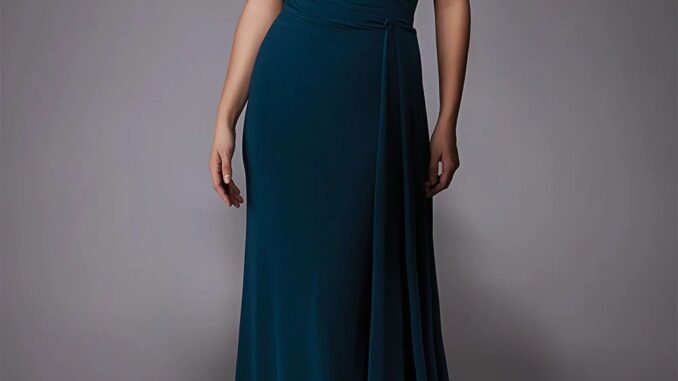
The invitation is beautiful, the venue looks stunning, and you have exactly one job: look fantastic without anyone mistaking you for the bride — or worse, having the bride notice you for the wrong reasons. How do I dress for a wedding as a guest without upstaging anyone? Wedding guest dressing is an etiquette minefield disguised as a fashion opportunity: dress codes are cryptic (“garden formal” — what?), venues vary wildly, and the rules are mostly unwritten. I’ve attended 20+ weddings and made just about every mistake once. Here’s everything I wish someone had told me before the first one.
How Do I Dress for a Wedding as a Guest Without Upstaging Anyone? The Unbreakable Rules
- Never wear white, ivory, cream, champagne, or anything photographically white. This is the #1 rule, non-negotiable, across cultures. Even a white dress with a pattern — no. Even if the bride says “I don’t care” — she cares. Light beige and pale blush are risky in photos; steer clear.
- Don’t wear black to daytime/traditional weddings unless the dress code invites it (evening, formal, or modern weddings are usually fine — black is elegant, not funereal, in the right context).
- Don’t outshine the couple. No ball gowns at a casual wedding, no sequin mermaid gowns when the bride is in a simple sheath. Match the wedding’s formality, then stay one notch below the wedding party.
- Respect cultural and religious dress codes. Cover shoulders/knees for church ceremonies, remove shoes where required, wear the requested colors for cultural weddings (red for many South Asian weddings is for the bride — ask). When in doubt, ask someone in the wedding party.
- Don’t propose, announce a pregnancy, or create drama. Not fashion, but the ultimate upstaging — had to say it.
Decoding the Dress Code
- Black tie: floor-length gown or very formal cocktail dress; tuxedo or dark suit. Go formal — this is the one time to overdress slightly.
- Formal / black tie optional: long dress or dressy cocktail; suit and tie. The sweet spot for elegance.
- Cocktail: knee-to-midi cocktail dress; suit or blazer + dress pants. The most common wedding dress code.
- Garden / outdoor formal: flowy midi, block heels or wedges (stilettos sink into grass — the #1 outdoor wedding mistake), layers for temperature drops.
- Beach: light, breathable fabrics; flat sandals or dressy flats; wind-proof hairstyle. Linen, chiffon, cotton blends.
- Casual: sundress or nice separates — but still “wedding nice,” not brunch nice. When a wedding says casual, they mean “don’t wear a gown,” not “wear shorts.”
- No dress code listed: default to cocktail. It’s the safest middle ground.
What to Actually Wear (and Where to Find It Cheap)
You don’t need a new $200 dress for every wedding. The smart approach:
- One versatile midi dress in a rich solid color (emerald, burgundy, navy — not white-adjacent) works for most weddings with different accessories. Midi shoe pairing and jewelry principles complete the look.
- Rent. Rent the Runway or Nuuly ($90–$110 for a 4-day rental) gets you a $400 dress for every wedding without closet clutter. Ideal for black-tie.
- Thrift/secondhand. Formal dresses are prime thrift finds — worn once, donated. Check thrift strategies before wedding season.
- Affordable retailers: Lulus, ASOS, and Amazon have huge wedding-guest sections ($40–$80) with reviews and photos.
- Rewear proudly. Different weddings, different people — no one tracks your dress history. Change the accessories and it’s a new outfit.
Details That Matter
- Shoes: you’ll be standing, walking on varied surfaces, and dancing. Block heels > stilettos for comfort and grass-survival. Break them in beforehand — blisters at a wedding are miserable. Bring foldable flats in your clutch for the dance floor.
- Layers: venues get cold (aggressive AC, evening temperature drops). A pashmina, wrap, or cropped jacket in a complementary color is both practical and elegant.
- Bag: small clutch or mini crossbody — just phone, lipstick, mints, and emergency supplies (fashion tape, band-aids, stain pen).
- Weather backup: check the forecast; outdoor weddings + rain = check if there’s a tent plan, bring a compact umbrella.
- Photos: you’ll be photographed all day. Avoid tiny busy prints (they moiré on camera), neon colors (they reflect onto faces), and anything that wrinkles if you look at it.
- Comfort = confidence: if you’re tugging, adjusting, or can’t sit, you’ll look uncomfortable in every photo. Do the full sit-stand-dance test at home.
For Men
Suit (navy or charcoal — not black unless evening/formal), dress shirt, tie (match formality), polished dress shoes, belt matching shoes. No tie at casual weddings is fine; jacket stays on for the ceremony at formal ones. And the white rule applies to men too — no white suits unless you’re in the wedding party.
When the wedding requires travel, packing formal wear in a carry-on uses the same wrinkle-fighting techniques, and finding affordable guest dresses online covers the sourcing in depth.
For current-season guest dress inspiration, Who What Wear’s wedding guest edits and Brides’ attire guides are updated for every dress code and season.
Plus-Ones, Kids, and Other Variables
A few more wedding-guest scenarios. As a plus-one who doesn’t know the couple well: err conservative — you have no social capital to spend on bold fashion risks. Ask your date about the dress code and the crowd. Bringing kids: dress them one notch above the venue’s casual — and bring a backup outfit (stains are inevitable). Outdoor ceremonies: check the ground (grass = block heels, gravel = wedges, sand = flats), bring sun protection, and have a wrap for evening temperature drops. Destination weddings: wrinkle-resistant fabrics are non-negotiable — your dress will live in a suitcase. Multiple weddings one summer: the rent-or-rewear strategy (above) isn’t cheap — it’s smart. Nobody at wedding #3 knows what you wore to wedding #1. Cultural weddings (South Asian, Nigerian, Jewish, etc.): research the specific customs — colors, coverage, ceremony length, shoe removal. A 10-minute Google search prevents genuine offense and shows respect the couple will remember.
The practical takeaway: never white, match the venue’s formality and stay below the wedding party, decode the dress code before shopping, rent or thrift the dress, wear block heels you can dance in, bring layers and emergency supplies. Look beautiful, feel comfortable, and let the couple be the only ones anyone’s talking about.
Leave a Reply