
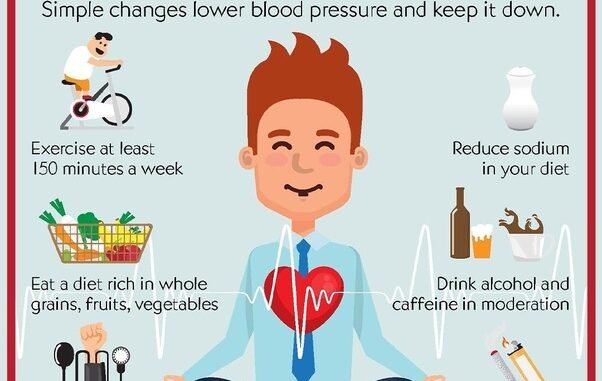
Your doctor said the words: “Your blood pressure is a little high.” Not emergency-high, not medication-yet high — but high enough that you should do something. Nearly half of American adults have hypertension, and most don’t know it — it’s called the silent killer because there are usually no symptoms until something serious happens. If you’re asking how can I lower my blood pressure without medication, here’s the good news: lifestyle changes are genuinely powerful — some rival medication in effect size — and they’re the first-line recommendation before drugs for mildly elevated readings. Here’s what actually works, ranked by impact.
Important framing: “naturally” doesn’t mean “instead of medicine.” If your doctor prescribed medication, take it — lifestyle changes complement drugs, and many people reduce or eliminate medication under medical supervision after sustained lifestyle improvement. Never stop prescribed medication because you read an article. What follows works alongside medical care, not instead of it.
How Can I Lower My Blood Pressure Without Medication? The Big Levers (Ranked by Impact)
1. Lose excess weight (biggest single lever)
Blood pressure rises with body weight — and falls as weight drops. Roughly 1 mmHg reduction per kilogram (2.2 lbs) lost. A 10-pound loss can drop systolic pressure 5–10 points — comparable to some medications. You don’t need your “ideal” weight; the first 10–15 pounds deliver the biggest BP benefit. Our nutrition guides help with the eating side.
2. Exercise regularly (as powerful as some drugs)
150 minutes of moderate aerobic exercise weekly (brisk walking counts) lowers systolic BP by 5–8 mmHg on average — and the effect is larger in people with hypertension. Add 2 days of resistance training for additional benefit. The mechanism: exercise improves blood vessel flexibility and reduces sympathetic nervous system activity. Start where you are — our beginner exercise guide sets realistic targets, and AI workout planning builds the program.
3. Cut sodium (but know the real target)
The average American eats ~3,400mg of sodium daily; the recommended limit is 2,300mg, with 1,500mg ideal for those with hypertension. Cutting to 1,500mg can drop systolic 5–6 mmHg. The shocker: 70%+ of sodium comes from processed and restaurant food, not your salt shaker. Highest culprits: bread, pizza, sandwiches, cold cuts, soups, chips. Practical moves: cook more at home, read labels (anything over 20% DV sodium per serving is high), rinse canned beans, and flavor with herbs/spices/lemon instead of salt.
4. Eat the DASH way (not a diet — a pattern)
The DASH (Dietary Approaches to Stop Hypertension) eating plan is the most evidence-backed dietary pattern for BP: rich in fruits, vegetables, whole grains, lean protein, and low-fat dairy; low in saturated fat and added sugars. Effect size: 8–11 mmHg systolic reduction — among the largest of any single intervention. Key nutrients: potassium (counteracts sodium — bananas, potatoes, spinach, beans), magnesium (nuts, whole grains), and calcium. You don’t need perfection — each DASH-aligned meal helps.
5. Limit alcohol
Alcohol raises BP dose-dependently. Heavy drinking is a direct cause of hypertension; even moderate drinking elevates it. Cutting from heavy to moderate (or moderate to light) drops systolic 2–4+ mmHg. If you drink, stay within 1 drink/day (women) or 2 (men) — and know that less is better for BP specifically.
6. Quit smoking (every cigarette spikes BP)
Each cigarette causes a temporary BP spike; chronic smoking damages blood vessels permanently. Quitting is the single best cardiovascular move a smoker can make — BP benefits begin within days. Call 1-800-QUIT-NOW (free US quitline) for support that actually works.
7. Manage stress and sleep
Chronic stress and poor sleep both raise BP. Stress management (see our stress guide) and 7–9 hours of quality sleep (see our sleep guide) each contribute meaningful reductions. Sleep apnea deserves special mention: it’s a major hidden cause of resistant hypertension — if you snore heavily and feel tired despite sleeping, get evaluated.
8. Cut back caffeine (if sensitive)
Caffeine spikes BP temporarily (30–60 min). Regular drinkers develop partial tolerance, but if your readings run high, try two weeks at half your usual intake and compare. Individual sensitivity varies enormously.
What About Supplements?
Honest assessment: most “BP supplements” are overhyped. The ones with modest evidence: garlic extract, hibiscus tea (2–3 cups daily showed real effects in trials), beetroot juice (dietary nitrates), and potassium supplementation (only if deficient — and dangerous with certain medications/conditions, so ask your doctor). None replace the big levers above. Be skeptical of anything promising dramatic results — the FDA doesn’t pre-approve supplement claims, and the industry exploits that.
Monitoring: The Feedback Loop
- Get a home monitor. $30–$50 for a validated upper-arm cuff (Omron is the reliable standard). Wrist monitors are less accurate.
- Measure correctly: seated, back supported, feet flat, arm at heart level, after 5 min rest, no caffeine/exercise/smoking 30 min prior. Two readings, 1 minute apart, average them.
- Track trends, not single readings. BP fluctuates naturally. Log morning and evening readings for a week; share the log with your doctor.
- Know your numbers: Normal: <120/80. Elevated: 120–129/<80. Stage 1 hypertension: 130–139/80–89. Stage 2: ≥140/90. The CDC’s blood pressure page has the full classification and guidance.
Quick Answers: Lowering Blood Pressure
What’s the fastest natural way to lower blood pressure?
There are no instant fixes — but the quickest meaningful movers are cutting sodium (target processed foods, not the salt shaker) and starting daily brisk walking. Most people see measurable drops within 2–4 weeks of consistent changes. Sustainable beats dramatic every time.
FAQs
How long does it take for lifestyle changes to lower blood pressure?
Most people see measurable changes within 2–4 weeks of consistent diet and exercise adjustments, with bigger improvements over 3–6 months. Sodium reduction and regular cardio tend to move the needle fastest. Weight loss lowers pressure gradually as the pounds come off. Don’t get discouraged by a slow start — the changes that work fastest are also the ones people abandon fastest. Consistency over months is what separates temporary dips from lasting control.
Can stress really raise blood pressure that much?
Yes, and it’s one of the most underestimated factors. Acute stress spikes blood pressure significantly, and chronic stress keeps your readings high through a mix of hormones, poor sleep, and stress-driven habits like drinking and overeating. Stress management isn’t just a feel-good add-on — techniques like regular exercise, adequate sleep, and even short daily breathing practices have measurable effects on readings. If your numbers are worse on workdays than weekends, stress is likely a real contributor.
Is coffee off-limits if I have high blood pressure?
Not necessarily. Caffeine causes a temporary bump in blood pressure, but regular coffee drinkers develop tolerance and long-term studies don’t show a strong link between moderate coffee intake and hypertension. That said, some people are more sensitive than others. The honest test: check your pressure before and 30–60 minutes after coffee a few times. If you see big spikes, cut back. If not, your 1–2 cups probably aren’t the problem.
When should I stop trying lifestyle changes and take medication?
That’s a decision for you and your doctor, not the internet. But as a general frame: if your readings stay consistently high after 3–6 months of genuine lifestyle effort, or if they’re in a range your doctor considers risky, medication is the responsible move — not a failure. Plenty of people do both: medication for control now, lifestyle changes that may let them reduce dosage later. Uncontrolled high blood pressure damages your body silently; don’t let pride stand in the way of treatment.
The bottom line: the natural BP-lowering hierarchy is: lose excess weight, exercise 150+ min/week, cut sodium (target the processed food, not the shaker), eat DASH-style, limit alcohol, quit smoking, manage stress and sleep. Combined, these can drop systolic 15–25+ mmHg — genuinely medication-comparable for mild hypertension. Start with the two or three changes you’ll actually sustain, monitor at home, and work with your doctor — the goal is controlled numbers by whatever combination of lifestyle and (if needed) medication gets you there safely.
Leave a Reply