
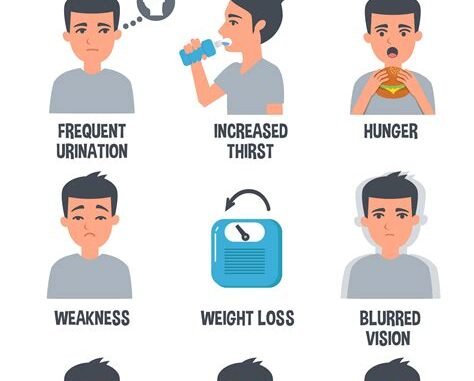
You’re thirsty all the time. You’re up twice a night to pee. A small cut takes weeks to heal. Each symptom seems minor alone — together, they might be your body waving a red flag. An estimated 1 in 3 American adults has prediabetes, and 80% of them don’t know it. Type 2 diabetes develops gradually, and catching it early changes everything: early intervention can delay or prevent full diabetes and its complications. If you’re asking what are the early signs of diabetes I should watch for, here’s what to look for — and what to do about each one.
First, the mechanism in plain English: diabetes means your blood sugar runs too high — either because your body doesn’t make enough insulin (Type 1, usually diagnosed young) or because your cells resist insulin’s effects (Type 2, 90–95% of cases, driven by genetics, weight, inactivity, and diet). Chronically high blood sugar damages blood vessels, nerves, kidneys, and eyes over years — silently at first. The early signs are your window to act before damage accumulates.
What Are the Early Signs of Diabetes I Should Watch For? The Classic Warning Signs
1. Excessive thirst (polydipsia) and frequent urination (polyuria)
The hallmark pair. High blood sugar pulls water from tissues (thirst) and your kidneys work overtime flushing excess glucose (frequent urination — especially waking multiple times nightly). If you’re suddenly drinking far more water than usual and still thirsty, pay attention.
2. Unexplained fatigue
When cells can’t access glucose properly, your body’s fuel system misfires — you eat but your cells starve. Persistent exhaustion despite adequate sleep is one of the most common (and most dismissed) early signs. Our energy foods guide covers nutritional fatigue causes — but if dietary fixes don’t help, get tested.
3. Increased hunger (polyphagia)
Intense hunger even after eating — because glucose isn’t reaching cells efficiently, your body signals for more fuel. Paradoxically, this can occur alongside weight loss (see below).
4. Unexplained weight loss
Losing weight without trying might sound welcome, but rapid unexplained loss (10+ pounds without diet/exercise changes) can signal that your body is burning fat and muscle for fuel because it can’t use glucose. Always worth investigating.
5. Slow-healing cuts and frequent infections
High blood sugar impairs immune function and circulation. Cuts that linger, recurrent skin infections, frequent urinary tract infections, or gum infections that won’t resolve — your immune system is struggling, and glucose may be why.
6. Blurred vision
High glucose shifts fluid in and out of the eye’s lens, distorting focus. If your vision blurs intermittently (better some days than others), that’s characteristic — stable vision problems have other causes. Either way, see an eye doctor.
7. Tingling or numbness in hands/feet
Early nerve damage (neuropathy) from sustained high blood sugar. Often starts as tingling in toes/feet. This sign suggests blood sugar has been elevated for a while — don’t wait on this one.
8. Darkened skin patches (acanthosis nigricans)
Velvety dark patches on the neck, armpits, or groin signal insulin resistance — often appearing before blood sugar rises into diabetic range. It’s one of the earliest visible warnings, especially in prediabetes.
Risk Factors: Who Should Be Extra Vigilant
- Overweight or obesity (especially abdominal fat)
- Family history of diabetes
- Age 45+ (though Type 2 is rising sharply in younger adults)
- Sedentary lifestyle
- History of gestational diabetes or PCOS
- High blood pressure or abnormal cholesterol
- Certain ethnicities (higher rates in Black, Hispanic, Native American, and Asian American populations)
If you have multiple risk factors, don’t wait for symptoms — get screened. The CDC’s diabetes pages offer risk tests and screening guidance.
What to Do If You Notice Signs
- See your doctor promptly. A simple fasting glucose or A1C blood test diagnoses it. Don’t self-diagnose from symptoms alone — many have other causes.
- Know the numbers: Normal fasting glucose: under 100 mg/dL. Prediabetes: 100–125. Diabetes: 126+. A1C: normal under 5.7%, prediabetes 5.7–6.4%, diabetes 6.5%+.
- Prediabetes is reversible. This is the critical message: structured lifestyle change (5–7% weight loss, 150 min/week activity) cut diabetes progression by 58% in the landmark Diabetes Prevention Program. Prediabetes isn’t a life sentence — it’s a warning with an exit.
- Start the lifestyle shifts now (don’t wait for the appointment): walk daily (see our beginner exercise guide), cut sugary drinks (the single highest-impact dietary change), eat more fiber and vegetables, and prioritize sleep (poor sleep worsens insulin resistance — see our sleep guide).
- Check blood pressure too. Diabetes and hypertension travel together — our BP guide covers both since the lifestyle fixes overlap heavily.
The Bigger Picture
Type 2 diabetes is substantially a lifestyle-influenced disease — which means it’s substantially preventable. The same habits that prevent it (healthy weight, daily movement, good diet, adequate sleep, stress management) prevent most chronic disease generally. If this article prompts one action, make it this: if you have risk factors or symptoms, get a $20 A1C test. Knowing your number is the first step — and for prediabetes, it’s a step toward reversal, not just management.
Quick Answers: Diabetes Warning Signs
Can you have diabetes with no symptoms at all?
Yes — and that’s the danger. Type 2 diabetes develops gradually, and blood sugar can run high for years before noticeable symptoms appear, silently damaging vessels and nerves. This is why screening matters more than symptom-watching: if you have risk factors (weight, family history, age 45+), get an A1C test rather than waiting to feel something.
How quickly do diabetes symptoms appear?
Type 1 symptoms can appear over weeks (rapid, often dramatic). Type 2 creeps in over months or years — increasing thirst, gradual fatigue, slowly worsening vision. The slow onset is exactly why people dismiss it. Any persistent cluster of the signs in this article deserves a prompt blood test, not a wait-and-see approach.
The bottom line: watch for the cluster — excessive thirst, frequent urination (especially at night), unexplained fatigue, increased hunger, slow-healing cuts, blurred vision, tingling extremities, and darkened skin patches. Any combination warrants a prompt doctor visit and simple blood tests. And remember: prediabetes is reversible with lifestyle change. The early signs aren’t a verdict — they’re an invitation to act while action works best.
Leave a Reply