
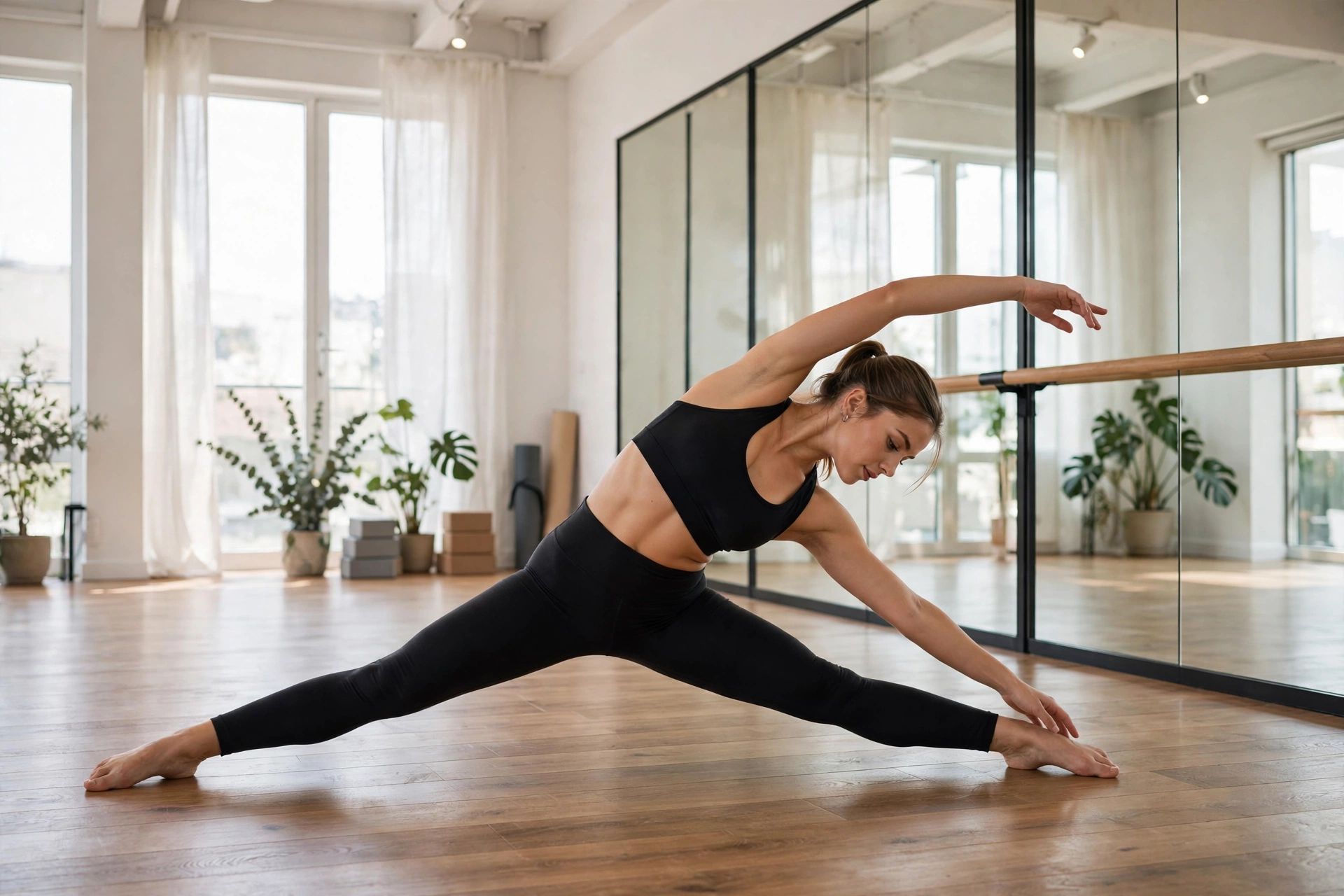
Watch a good dancer and you will notice something: nothing looks forced. High kicks float up, deep lunges sink low, and the whole body moves like it has extra joints. That is flexibility doing its quiet work. If you want to know how to improve flexibility for dancing, the answer is less mysterious than it looks — consistent stretching, done the right way, a few times a week. Here is exactly how.
Why Flexibility Matters So Much in Dance
Flexibility is your joints’ range of motion, and in dance it affects almost everything:
- Higher, cleaner lines — extensions, kicks, and arabesques all need open hips and hamstrings.
- Fewer injuries — muscles that can lengthen under load handle sudden moves, landings, and deep positions without tearing.
- Better technique — when your body is not fighting tightness, you can actually focus on timing and expression instead of forcing positions.
- Faster recovery — supple muscles bounce back quicker between classes and rehearsals.
- how to make jewelry
Strength matters too — flexibility without strength is just looseness, which is its own injury risk. The goal is mobile and strong. Dancers call this active flexibility: the ability to lift your leg high using your own muscles, not just have someone push it there.
Dynamic vs. Static Stretching: Know the Difference
These are the two main tools, and using them at the wrong time is the most common flexibility mistake.
Dynamic stretching (before dancing)
Controlled, moving stretches that warm the body up: leg swings, walking lunges, hip circles, arm circles, gentle torso twists. Do these as part of your warm-up. They raise your temperature, wake up the nervous system, and prepare joints for the ranges you are about to use. Ten minutes is plenty.
Static stretching (after dancing)
Holding a stretch still for 30–60 seconds: seated hamstring stretch, pigeon pose for hips, couch stretch for hip flexors, calf stretch against a wall. Do these when muscles are warm — after class is ideal. This is where lasting flexibility gains actually happen. Stretching cold muscles aggressively is how people get hurt, so never skip the warm-up.
The Key Areas Dancers Need to Open Up
Hips
Tight hips limit turnout, kicks, and floor work. The pigeon pose (or figure-four stretch on your back if pigeon is too intense) opens the outer hip. The 90/90 stretch — both knees bent at right angles, one leg in front and one to the side — is gold for rotation. And do not forget the hip flexors: a deep lunge with your back knee down and hips pushed forward undoes hours of sitting.
Hamstrings
Short hamstrings cap your kick height and round your back in forward folds. Standing or seated forward folds with a flat back (hinge at the hips, not the waist) are the classic fix. Keep a micro-bend in the knee if your back rounds — a straight back matters more than straight legs.
Back and spine
Cat-cow stretches, gentle bridges, and cobra pose build the spinal mobility dancers need for cambrés and backbends. Move slowly and breathe into each position. Never force a backbend — spinal flexibility comes from consistent, patient work, not one heroic push.
Ankles and calves
Dancers live on their feet. Calf stretches against a wall, ankle circles, and writing the alphabet with your toes all build the ankle mobility that makes relevés and landings safer and prettier.
Shoulders and chest
Hours at a desk round the shoulders forward, which ruins port de bras. Doorway chest stretches and band pull-aparts open things back up in minutes.
A Simple Weekly Flexibility Routine
You do not need an hour a day. Three to four sessions a week, 15–20 minutes each, will move the needle within a month.
- Warm up (3–5 min): light cardio — jogging in place, jumping jacks — plus leg swings and hip circles.
- Hip flexors: kneeling lunge, 45 seconds each side.
- Hamstrings: seated or standing forward fold, 60 seconds.
- Outer hips: pigeon or figure-four, 45 seconds each side.
- Inner thighs: frog stretch or wide-legged fold, 60 seconds.
- Back: cobra or bridge, 3 rounds of 30 seconds.
- Calves: wall stretch, 45 seconds each leg.
- Cool down: slow breathing in child’s pose, 1–2 minutes.
Breathe deeply through every hold — exhale as you ease deeper. If you are holding your breath, you are pushing too hard.
Rules That Keep You Safe
- Mild discomfort is fine; sharp pain is not. Stretching should feel like a strong pull, never a stab or pinch, especially in joints.
- Never bounce. Ballistic bouncing triggers the stretch reflex, which tightens the muscle you are trying to lengthen.
- Both sides, every time. Dancers develop asymmetries fast; always stretch left and right equally.
- Stay consistent, not extreme. Fifteen minutes four times a week beats one brutal hour on Sunday.
- Respect rest days. Muscles lengthen and adapt while you recover — and good sleep matters more than people think, which is one reason a decent sleeping bag is worth it when you are traveling for workshops and intensives.
What to Expect (Realistic Timelines)
Flexibility improves slowly, then noticeably. Most people feel easier movement within two to three weeks of consistent work. Visible changes — higher extensions, deeper lunges — typically show up around six to eight weeks. Full splits or dramatic oversplits can take many months, and some bodies will never get there due to bone structure. That is normal, not failure.
Track progress with photos or simple measurements (how far past your toes you reach, how high your développé goes). On days it feels like nothing is changing, the photos will prove otherwise.
Flexibility Priorities by Dance Style
Different styles ask for different kinds of mobility, so it helps to aim your stretching at what you actually dance:
- Ballet: turnout and hip rotation first, then hamstrings and back for extensions and arabesques. The 90/90 stretch and frog stretch are daily staples.
- Contemporary and modern: spinal mobility and hamstrings, for floor work, contractions, and release technique. Cat-cow and deep forward folds earn their keep here.
- Hip-hop and street styles: ankles, calves, and shoulders for grooves, freezes, and power moves. Do not neglect the upper body — toprock and threading demand open shoulders.
- Latin and ballroom: hip flexors and thoracic spine for Cuban motion and clean lines. Lunges and chest openers are your best friends.
- Belly dance and Indian classical: torso isolation needs a supple spine and obliques; add side bends and gentle twists to your routine.
No matter the style, the formula is the same: warm up dynamically, dance, then stretch statically while warm. Style-specific work just tells you which stretches deserve the most minutes.
Flexibility Beyond Dance
The mobility you build for dance transfers everywhere. Climbers need open hips for high steps and heel hooks — handy if you ever try a home climbing wall. Golfers need a free torso turn for clubhead speed. Even everyday life gets easier: tying shoes, playing with kids, getting up off the floor. Few fitness investments pay off in as many places as this one.
Want the science? Read about Stretching on Wikipedia, Flexibility (anatomy), and the history of Dance.
You May Also Like
- How to Build a Home Climbing Wall DIY — put your new hip mobility to work on the wall.
- How to Choose a Sleeping Bag — recover well when traveling for dance workshops.
Leave a Reply