
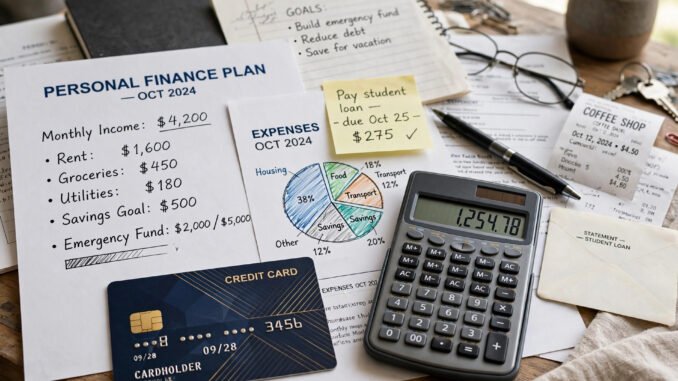
Of everything that moves your credit score, credit utilization is the most misunderstood — and the fastest to fix. It is also the factor beginners get wrong most often, usually by following the famous “30% rule” too literally, or by paying their cards in ways that accidentally report high balances. In Miami, where high living costs push more spending onto cards, understanding utilization is worth real money: the difference between good and great utilization can mean better apartment approvals, lower insurance quotes, and cheaper auto loans.
This guide explains what credit utilization really is, how the scoring models treat it, and the exact tactics to optimize it without changing your spending by a dollar.
What Credit Utilization Actually Measures
Credit utilization is the percentage of your available revolving credit that you are using at any given time. Two numbers matter:
Per-card utilization
Balance ÷ credit limit on each individual card. A $900 balance on a $1,000-limit card is 90% utilization on that card — a red flag to scoring models even if your other cards are empty.
Overall (aggregate) utilization
Total balances ÷ total limits across all cards. $2,000 in balances against $10,000 in total limits = 20% overall. Scoring models weigh both, with overall utilization carrying slightly more weight.
Together, utilization makes up about 30% of your FICO score — second only to payment history. The good news: unlike payment history (which takes years to build), utilization has no memory in current FICO models. Pay down a balance today and your score can improve within one billing cycle. The Consumer Financial Protection Bureau’s credit score resources explain these mechanics in consumer-friendly detail.
The 30% Rule — and Why Lower Is Better
“Keep utilization under 30%” is the standard advice, and it is true as far as it goes: above 30%, scores start dropping noticeably. But 30% is a ceiling, not a target. Data from the scoring companies shows that consumers with the highest scores typically keep utilization under 10% — and many under 5%.
Think of it in tiers: 0% reported (paying in full before the statement closes every month) can slightly underperform, oddly, because the bureaus see no usage — though the effect is tiny. 1–10% is the sweet spot for maximum scores. 10–30% is fine and normal. 30–50% costs you points. 50%+ costs you a lot of points, and 90%+ (maxed out) signals distress to lenders.
The practical takeaway for a Miamian with a $1,000-limit starter card: aim to have under $100 report on your statement. You can spend $800 during the month — just pay most of it before the statement closing date. Which brings us to the timing trick most people miss.
The Timing Trick: Statement Date vs. Due Date
Here is what confuses almost everyone: your card issuer reports your balance to the bureaus once a month, on the statement closing date — not the payment due date. If your statement closes on the 15th with a $700 balance and your payment is due on the 10th of next month, the bureaus see $700 even if you pay in full on the due date.
The fix: make a payment a few days before the statement closing date to bring the reported balance down to your target (say, under 10%), then let autopay handle the rest by the due date. You still pay no interest — you are just controlling which number the bureaus see. This one habit can add 20–40 points for someone currently reporting high utilization, and it costs nothing.
To find your statement closing date, check any monthly statement or call the number on the back of the card. Set a recurring calendar reminder two days before. Pair this with the broader discipline of a budget you can actually stick to — utilization control is easy inside a budget and nearly impossible outside one.
Five Legitimate Ways to Lower Utilization
1. Pay before the statement closes (above) — the fastest, free method. 2. Ask for a credit limit increase. After 6–12 months of good history, request an increase (ask whether it triggers a hard inquiry first). A $1,000 limit becoming $3,000 triples your headroom overnight. 3. Open a second card strategically. A second no-annual-fee card adds its limit to your total available credit, lowering overall utilization — but only if you do not increase spending. One new card after 6+ months of history is reasonable; five at once is not. 4. Pay twice a month. A mid-cycle payment keeps running balances low, which helps both per-card and overall numbers. 5. Keep old cards open. Closing a card removes its limit from your total available credit, which can spike your utilization overnight. Keep no-fee cards open with a small recurring charge.
What does not work: balance-transfer shell games that just move utilization around, closing cards to “simplify,” or paying only the minimum while hoping the ratio improves. And never stretch your cash flow to game a ratio — managing monthly cash flow comes first; utilization optimization rides on top of it.
Miami-Specific Utilization Traps
Miami’s cost structure pushes utilization up in predictable ways. High rents on cards: Some renters put rent on cards for points via services like Bilt or Plastiq — the fees (2–3%) usually erase the points value, and a $2,500 rent charge can max out a starter card’s utilization. Seasonal income: Tourism and hospitality workers with variable income lean on cards in slow months; the utilization spike then lingers on reports for a cycle or two. Emergency spending: Hurricane-season surprises (deductibles, evacuations) land on cards. The defense for all three is the same: an emergency fund, even a small one, keeps life’s volatility off your credit report. Freeing up cash helps — many households find cutting grocery spending is the fastest way to create payoff room in the budget.
Also note: Investor.gov’s credit resources remind consumers to check all three bureau reports annually at AnnualCreditReport.com — utilization errors (a closed card still reporting a balance, a limit reported incorrectly) are common and fixable via dispute.
Conclusion
Understanding credit utilization in Miami — or anywhere — comes down to four facts: it is 30% of your FICO score, under 10% reported beats under 30%, the bureaus see your statement-closing balance (not your due-date payment), and it has no memory, so fixes work fast. Pay before the statement closes, request limit increases as your history grows, keep old cards open, and never let high-cost-city living push balances onto cards without a payoff plan. Do that consistently and utilization flips from a score drag into one of your strongest scoring assets.
Frequently Asked Questions
What is a good credit utilization ratio?
Under 30% is acceptable, under 10% is excellent, and 1–10% reported typically produces the highest scores. Per-card and overall utilization both matter.
Does paying my credit card in full keep utilization at zero?
Not necessarily — the bureaus see your balance on the statement closing date. If you pay in full on the due date but the statement closed with a high balance, that high balance is what gets reported. Pay before the statement closes to control the reported number.
How fast does lowering utilization improve my score?
Very fast — utilization has no memory in current FICO models. Improvements typically appear within one billing cycle after the lower balance is reported.
Should I close old credit cards I do not use?
Usually no, if they have no annual fee. Closing a card removes its credit limit from your total available credit, which can increase your utilization ratio and lower your score.
Does requesting a credit limit increase hurt my score?
It may cause a hard inquiry (a few points, temporarily), but the utilization improvement from a higher limit usually outweighs it. Ask the issuer whether the request triggers a hard or soft inquiry first.
Leave a Reply