
Walk into a well-stocked spice aisle and it’s overwhelming — hundreds of jars, exotic names, no clue where to start. If you’re asking what are the best spices every home cook should own, here’s the liberating truth: you need about twelve, and you probably already own half of them.
I cooked for years with just salt, pepper, and garlic powder before I learned what a difference the right spices make. This is the core collection I’d rebuild first if my spice cabinet burned down tomorrow — the versatile workhorses that show up in recipes across every cuisine.
What are the best spices every home cook should own: The Short Answer
Every home cook should own: kosher salt, black peppercorns, garlic powder, onion powder, smoked paprika, cumin, chili powder, oregano, Italian seasoning, cinnamon, crushed red pepper flakes, and bay leaves. This dozen covers American, Mexican, Italian, and Middle Eastern cooking. Buy small jars, check dates, and replace ground spices yearly — stale spices are the reason bland food stays bland.
Why This Matters More Than You Think
Spices are the highest-ROI purchase in your kitchen: a $4 jar transforms hundreds of meals. But spices are also perishable — ground spices lose potency within 6–12 months as their volatile oils evaporate. Serious Eats’ spice guides That three-year-old paprika isn’t seasoning your food; it’s adding red dust. The ‘best’ spices aren’t exotic — they’re the fresh, frequently-used ones. A small, fresh collection beats a sprawling, stale one every single time.
5 Tips That Actually Work
Start with the universal six
If your cabinet is bare, buy these first: kosher salt (Diamond Crystal, ~$4), whole black peppercorns with a grinder, garlic powder, onion powder, smoked paprika, and crushed red pepper flakes. These six alone will improve literally everything you cook — eggs, chicken, vegetables, pasta, soup.
Add the cuisine builders
Cumin + chili powder = Mexican and Tex-Mex. Oregano + Italian seasoning = Italian and Greek. Cinnamon = baking plus Middle Eastern and Indian dishes. Bay leaves = soups, stews, and braises (remove before serving). With these plus the universal six, you can cook convincingly across four major cuisines.
Buy small and date everything
Unless you run a restaurant, you don’t need the warehouse-size jar. Buy the smallest size, write the purchase date on the lid with a Sharpie, and replace ground spices after a year. Whole spices (peppercorns, cinnamon sticks, cumin seeds) last 2–3 years and taste dramatically better freshly ground.
Bloom spices in fat
This technique separates good cooks from great ones: toast ground spices in hot oil or butter for 30–60 seconds before adding other ingredients. The fat-soluble flavor compounds wake up and the difference is staggering — try it with cumin and chili powder in your next pot of chili and taste the transformation.
Taste your spices before trusting them
Rub a pinch between your fingers and smell it. Vibrant paprika smells sweet and peppery; dead paprika smells like nothing. If you can’t smell it, you can’t taste it — replace it. This 5-second test will upgrade your cooking more than any new gadget.
My Favorite Tools and Brands
I only recommend gear I’ve actually used or that’s widely vetted by testing labs — Consumer Reports’ pantry staples advice is worth checking before you buy.
- Spice grinder (Krups) — ~$20 — Freshly ground cumin and pepper are a revelation; doubles as a coffee grinder in a pinch.
- Magnetic spice tins — ~$25 for 12 — Keep spices visible and accessible; visibility means you’ll actually use them.
- Diamond Crystal kosher salt — ~$4 — The chef’s standard: clean flavor, easy to pinch, dissolves fast.
- Pepper mill (Peugeot) — ~$30 — Pre-ground pepper is sawdust by comparison; this is a lifetime purchase.
Common Mistakes to Avoid
- Keeping spices next to the stove. Heat and steam kill potency fast. Store in a cool, dark cabinet or drawer — not above the range.
- Using the same spices for years. If you can’t remember buying it, it’s dead. Do a yearly purge and smell-test.
- Buying ‘Italian seasoning’ and also every component. Blends are convenient but redundant if you own the parts. Pick blends OR singles for each profile, not both.
- Measuring spices over a steaming pot. Steam gets into the jar and clumps the spice. Measure into your hand or a small bowl first, away from the steam.
Frequently Asked Questions
What’s the difference between paprika and smoked paprika?
Regular paprika is mild and sweet; smoked paprika (pimentón) is dried over oak fires, adding deep smoky flavor. They’re not interchangeable — smoked paprika transforms roasted vegetables, eggs, and chicken. If you buy one, make it smoked.
Are expensive spices worth it?
Sometimes. For high-impact spices you taste directly — smoked paprika, cinnamon, vanilla — quality matters. For background players like onion powder, the store brand is fine. Penzeys and The Spice House (~$5–8/jar) are worth it for your most-used spices.
How should I organize my spices?
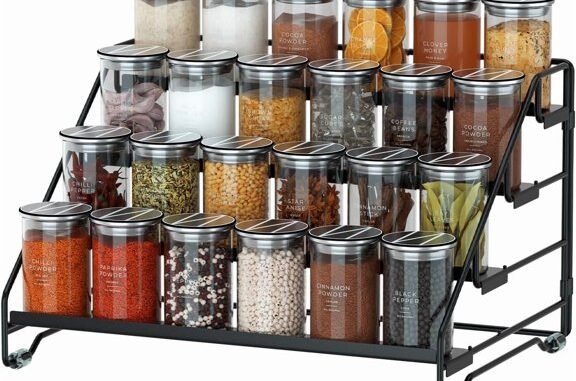
Alphabetically in a drawer or on a tiered rack where you can see every label. If you can’t see it, you won’t use it. Decant into uniform jars with labels — the 20-minute project pays off daily.
Where to Buy Without Overpaying
Spice strategy matters: buy everyday spices (garlic powder, onion powder, paprika) at warehouse clubs or Aldi where they’re $3–4 for large jars; buy high-impact spices (smoked paprika, cinnamon, cumin) from Penzeys or The Spice House where freshness justifies $6–8; and buy whole spices (peppercorns, cumin seeds) anywhere, since they stay fresh for years. Never buy spices at the grocery store’s gourmet aisle unless you enjoy paying double for the same jar. One last tip: when a recipe calls for a spice you don’t own, check whether you can substitute before buying — cumin and chili powder cover each other in a pinch, dried oregano stands in for Italian seasoning, and cinnamon plus nutmeg approximates pumpkin pie spice. Buy the new jar only when substitution genuinely won’t work; your cabinet (and wallet) will thank you.
Twelve fresh spices, bloomed in fat and replaced yearly, will do more for your cooking than any appliance. Start with the universal six, add the cuisine builders, and taste everything. Keep building your kitchen fundamentals with keep fresh herbs from going bad so fast, vegetables to roast for meal prep, and thaw frozen meat safely and quickly.
Leave a Reply