
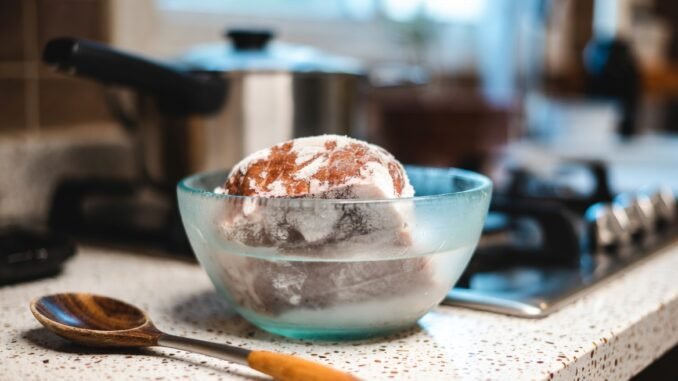
We’ve all been there: it’s 5 p.m., dinner needs to happen, and the chicken is a solid brick in the freezer. If you’re asking what is the best way to thaw frozen meat safely and quickly, you need the method that’s both fast and food-safe — because the countertop ‘leave it out’ approach is a bacterial playground.
The USDA is clear on this, and after years of weeknight dinner scrambles, I can confirm the cold-water method is the sweet spot: a pound of chicken thaws in about an hour, safely. Here’s the full breakdown of every method, ranked.
What is the best way to thaw frozen meat safely and quickly: The Short Answer
The best quick-safe thaw method is cold water: seal meat in a leak-proof bag, submerge in cold tap water, and change the water every 30 minutes. A pound of chicken or ground meat thaws in about an hour; small steaks in 30–45 minutes. Never use hot water or the countertop. For zero planning, cook from frozen — it’s safe, just add ~50% more cook time. The fridge method (overnight) remains the gold standard for planning ahead.
Why This Matters More Than You Think
The danger zone for bacterial growth is 40–140°F — the range where bacteria double every 20 minutes. FoodSafety.gov’s safe thawing guidelines Countertop thawing parks the meat’s surface in that zone for hours while the center stays frozen. Cold water works because water conducts heat about 25 times faster than air, thawing the meat quickly while keeping the surface safely cold. Hot water seems faster but actually pushes the exterior into the danger zone while encouraging bacterial growth — the USDA specifically warns against it.
5 Tips That Actually Work
Master the cold-water method
Sealed, leak-proof bag — squeeze out air. Big bowl or clean sink of cold tap water. Submerge fully (weigh down with a plate if it floats). Change the water every 30 minutes so it stays cold. One pound of boneless chicken: ~1 hour. A 3-pound roast: 2–3 hours. Cook immediately after thawing.
Cook from frozen when you forget entirely
It’s completely safe — the USDA confirms it. Add about 50% to the normal cook time and use a thermometer to verify doneness (165°F for poultry, 145°F for steaks with rest). It works best for smaller cuts; a whole frozen turkey is a different story. Searing is trickier with the extra surface moisture, so pat very dry.
Use the microwave only as a last resort
The defrost setting works in a pinch (6–8 minutes per pound), but microwaves thaw unevenly — edges start cooking while the center stays icy. If you microwave-thaw, cook the meat immediately; don’t refreeze it. And rotate or flip halfway for more even results.
Plan ahead with the fridge method
Still the safest and best-quality option: move meat from freezer to fridge 24 hours per 4–5 pounds. Thawed meat keeps 1–2 days (poultry, ground meat) or 3–5 days (steaks, roasts) before cooking. The slow thaw also gives you the best texture — no moisture loss, no partial cooking.
Refreeze correctly if plans change
Meat thawed in the fridge can be refrozen safely (quality dips slightly). Meat thawed in cold water or the microwave must be cooked before refreezing. When in doubt, cook it now and freeze the cooked dish — cooked meat freezes beautifully.
My Favorite Tools and Brands
I only recommend gear I’ve actually used or that’s widely vetted by testing labs — FDA’s food safety guidance is worth checking before you buy.
- Heavy-duty zip-top freezer bags — ~$6 — Leak-proof sealing is essential for the cold-water method.
- Instant-read thermometer — ~$17 — Verify safe internal temps, especially when cooking from frozen.
- Large mixing bowl — ~$15 — Dedicated thawing bowl beats occupying the sink.
- Vacuum sealer — ~$60 — Optional upgrade: vacuum-sealed meat thaws faster and avoids freezer burn entirely.
Common Mistakes to Avoid
- Thawing on the counter. The surface hits the danger zone within 2 hours while the center stays frozen. This is the riskiest common habit — break it today.
- Using hot water to speed things up. Hot water encourages bacterial growth on the surface and partially cooks the exterior. Cold water only, changed every 30 minutes.
- Refreezing water-thawed raw meat. Bacteria had a head start. Cook it first, then freeze the cooked result.
- Forgetting about it in the water. Set a timer for water changes. Meat left in room-temp water for hours is no longer safe — when in doubt, throw it out.
Frequently Asked Questions
How long does it take to thaw chicken in cold water?
About 1 hour per pound for boneless breasts; bone-in pieces take a bit longer. Change the water every 30 minutes. A whole 4-pound chicken needs 2–3 hours — start early afternoon for dinner.
Is it safe to thaw meat in the microwave?
Yes, if you cook it immediately afterward. Use the defrost setting, rotate halfway, and don’t let partially-thawed meat sit around. It’s the least ideal method for texture but it’s safe when followed by immediate cooking.
Can I put frozen meat directly in a slow cooker?
The USDA advises against it — slow cookers heat too gradually, keeping meat in the danger zone too long. Thaw first, then slow cook. (Pressure cookers/Instant Pots, which heat fast, can handle frozen meat safely.)
The Forgotten-Food Rescue Plan
Since you’re already thinking about thawing, build the habit that prevents the 5 p.m. panic entirely: every Sunday, move two or three proteins from freezer to fridge for the week’s dinners. Label a whiteboard or use a phone note: Monday chicken, Wednesday ground beef, Friday salmon. The cold-water method is your safety net, not your plan — and a planned thaw means better texture, less stress, and zero temptation to risk the countertop.
Cold water for speed, fridge for planning, cook-from-frozen for emergencies — and never the countertop. Safe thawing is one of those boring skills that quietly protects your family every week. Keep your kitchen running smoothly with make crispy french fries in an air fryer, make restaurant-quality guacamole at home, and what is the easiest way to make homemade pizza dough.
Leave a Reply