
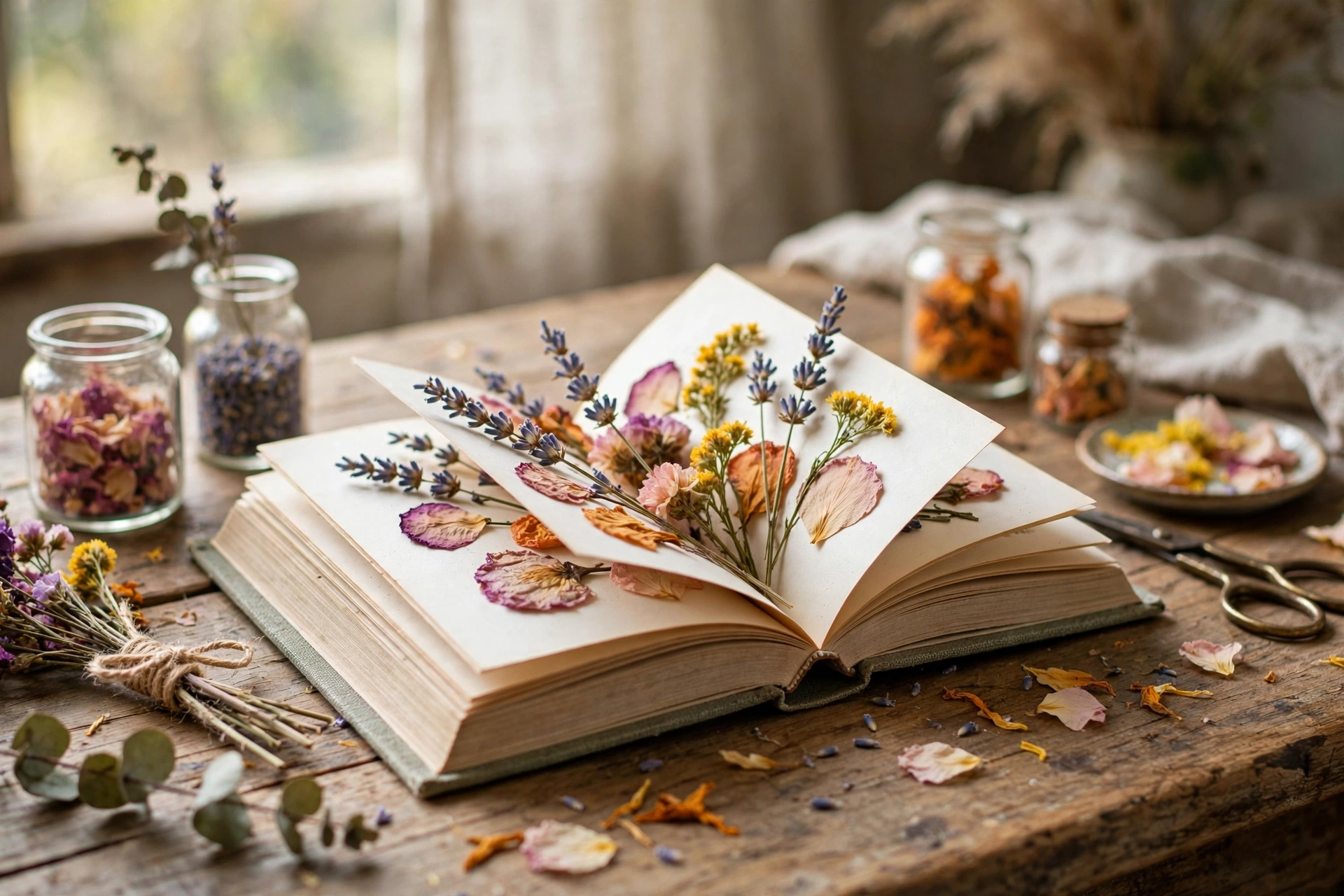
After the wedding day whirlwind, your bouquet is one of the few tangible pieces of the celebration you’ll hold onto. So how do you preserve a bouquet so it lasts for years instead of wilting within a week? You have several good options — from simple air-drying to professional freeze-drying — depending on your budget, timeline, and how perfect you want the result to look.
Start Immediately: The First 48 Hours Matter
Whatever method you choose, time is critical. Flowers begin deteriorating the moment they’re cut, and your bouquet has already been out of water for hours by the end of the reception. The sooner you start preservation, the better your results.
Night-of steps:
- Recut the stems at an angle and place the bouquet in fresh, cool water.
- Keep it in a cool room away from direct sunlight and heating vents.
- Remove any flowers that are already browning or mushy — decay spreads.
- If you’re shipping to a preservation company, follow their packing instructions exactly (usually overnight shipping in a provided box).
Method 1: Air Drying (Easiest and Free)
The simplest method: hang the bouquet upside down in a dark, dry, well-ventilated room for 2–4 weeks.
- Best for: Hardy flowers like roses, lavender, baby’s breath, statice, and wildflowers.
- How: Remove the wrapping, tie the stems with twine, and hang upside down (this keeps the flower heads from drooping). A closet, attic, or spare room works.
- Result: Flowers shrink and darken but hold their shape. Roses dry beautifully; delicate flowers like peonies may not.
- Cost: Free.
Air-dried bouquets have a lovely vintage look. Display them in a vase (no water needed) away from direct sun, which fades colors further.
Method 2: Silica Gel Drying (Best DIY Results)
Silica gel — those little “do not eat” packets, but in bulk crystal form — draws moisture out of flowers while preserving their shape and much of their color. This is the best method you can do at home.
- Best for: Almost all flowers, including delicate ones.
- How: Fill an airtight container with an inch of silica gel. Place flowers face-up and gently pour more gel around and over them, making sure it gets between petals. Seal and wait 5–7 days.
- Result: Flowers look remarkably close to fresh — shape, color, and detail preserved.
- Cost: $15–$30 for a bag of silica gel (reusable after drying in the oven).
You can find silica gel at craft stores or online. The flower-drying kind is finer than the packet kind — get the right product.
Method 3: Pressing (For Framing)
Pressed flowers won’t preserve the bouquet’s 3D shape, but they create beautiful flat art:
- Place individual blooms between parchment paper inside a heavy book.
- Stack more books on top and wait 2–4 weeks.
- Arrange the pressed flowers in a frame — with your wedding date, invitation, or a photo.
Pressed-flower art is a gorgeous, affordable keepsake. Many couples frame a few key blooms alongside their wedding photos.
Method 4: Professional Freeze-Drying (Best Overall Results)
For the most lifelike preservation, professionals use freeze-drying (lyophilization) — the same technology used to preserve food for astronauts. The bouquet is frozen, then moisture is removed in a vacuum chamber over several weeks.
- Result: Flowers look nearly identical to fresh — color, shape, and size remarkably preserved.
- Timeline: 6–12 weeks typically.
- Cost: $200–$600+ depending on bouquet size and display options (domes, shadow boxes, framed arrangements).
- How to arrange it: Contact a preservation company before the wedding. Many send you a shipping kit in advance. The bouquet typically needs to ship within 2–3 days of the wedding.
This is the premium option, and for many couples, worth it. A freeze-dried bouquet in a glass dome is a stunning permanent display piece.
Method 5: Resin Preservation (Modern and Durable)
A newer trend: embedding bouquet flowers in clear epoxy resin to create paperweights, jewelry, or decorative blocks. Artists on Etsy and at craft fairs offer this service.
- Result: Flowers suspended in crystal-clear resin — durable and unique.
- Cost: $50–$300 depending on the piece.
- Note: Flowers are usually dried first (silica method), then cast in resin.
What About the Rest of the Wedding Flowers?
Don’t forget centerpieces and ceremony arrangements. Options:
- Donate them. Organizations like Repeat Roses compost or repurpose event flowers for hospitals and nursing homes.
- Let guests take them. Announce at the end of the reception that centerpieces are up for grabs — guests love this.
- Press a few blooms from each arrangement for a fuller memory collection.
Displaying Your Preserved Bouquet
Once preserved, keep flowers looking their best:
- Out of direct sunlight. UV fades even preserved flowers.
- Low humidity. Dried flowers reabsorb moisture in damp environments.
- Under glass if possible. A dome or shadow box protects from dust and bumps.
- Handle minimally. Dried petals are fragile.
A Keepsake Worth the Effort
Your bouquet was there for the vows, the photos, the first dance. Preserving it gives you a tangible piece of the day to hold onto — something that, like the memories, doesn’t have to fade. Whether you choose the simplicity of air-drying or the perfection of freeze-drying, future-you will be glad you took the time.
And if you’re still in the planning stages, working with your florist early makes everything easier — just as selecting the right wedding caterer takes research, finding a florist whose style you love is worth the effort. For more on bouquet traditions and styles, it’s worth exploring what different arrangements symbolize.
How Long Do Preserved Flowers Last?
With proper care, expect: air-dried flowers 1–3 years before significant fading; silica-dried flowers 2–5 years; freeze-dried flowers 5–10+ years (some last decades); resin pieces essentially indefinite. The enemies are always the same — sunlight, humidity, and handling. A freeze-dried bouquet in a sealed glass dome, kept out of direct sun, can look beautiful on your tenth anniversary and beyond.
Preserving Boutonnieres and Corsages
Don’t forget the smaller pieces. The groom’s boutonnière and mothers’ corsages preserve beautifully with the silica gel method — they’re small enough to fit in a mason jar with gel. Pressed individually and framed alongside a wedding photo, they make wonderful gifts for parents. These little pieces are often overlooked in the post-wedding rush, so assign someone (a bridesmaid, your mom) to collect them at the end of the reception.
Working With Your Florist in Advance
The best preservation results start before the wedding. Tell your florist you plan to preserve the bouquet — they can choose hardier varieties, avoid flowers that dry poorly (like tulips and lilies, which tend to shatter), and build the bouquet with preservation in mind. Some florists even partner with preservation companies and can coordinate shipping for you. A five-minute conversation months before the wedding can dramatically improve your results.
Also consider ordering a small duplicate bouquet specifically for preservation experiments. Practice the silica method on the duplicate first — if something goes wrong, your real bouquet is safe. This is especially smart if you’re attempting preservation for the first time.
Whatever method you choose, start the conversation early and act quickly after the wedding. The flowers won’t wait — but with a little planning, their beauty can last for years.
Leave a Reply