
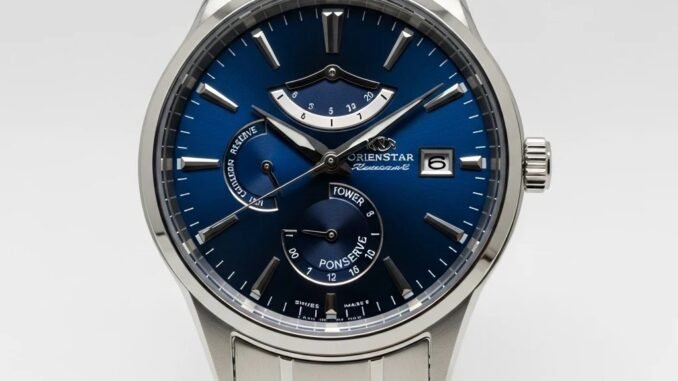
A watch is the only jewelry most men wear and the finishing piece that pulls any outfit together — but luxury watch prices are genuinely absurd. What are the best affordable watches that look high-end? Here’s the insider truth: above ~$150, you’re mostly paying for brand prestige and mechanical movements, not appearance. A well-designed $100 quartz watch with a clean dial, sapphire crystal, and proper proportions looks 95% as good as a $5,000 piece to 99% of observers. I’ve owned both ends of the spectrum, and the compliments-per-dollar ratio heavily favors the affordable end.
Here’s what makes a watch look expensive, the specific pieces worth buying, and how to wear them.
What Are the Best Affordable Watches That Look High-End? The Formula
- Clean, uncluttered dial. The #1 expensive signal. Simple indices or minimal numerals, no cluttered subdials, no oversized logos, no “tachymeter” text screaming around the bezel. Luxury = restraint.
- Right proportions: 38–42mm case for most men, 28–34mm for most women. Lug-to-lug under ~48mm so it fits the wrist (not hanging over the edges). Thin cases (<10mm) slide under cuffs and read as refined; chunky cases read as sporty.
- Sapphire crystal. Scratch-resistant glass that stays clear forever. Mineral crystal scratches within months and instantly cheapens the look. At $100+, demand sapphire — many affordable brands now include it.
- Quality strap: genuine leather (not bonded), solid-link metal bracelet, or clean NATO/canvas. The strap is half the watch visually — a $15 leather strap upgrade transforms a $50 watch.
- Understated branding: small logo, no giant text. Quiet luxury applies to wrists too.
- Appropriate style for the occasion: dress watches (thin, leather strap, minimal) for formal; field/diver styles for casual. One watch can’t do everything — but two can.
Specific Watches Worth Buying (Under $200)
- Timex Marlin / Q Reissue (~$200): vintage-inspired, hand-wound/mechanical options, incredible design heritage. The Marlin looks like a $2,000 vintage piece.
- Seiko 5 Sports / Seiko Essentials (~$100–$200): automatic movements, legendary reliability, clean designs. The SNXS79 and SUR311 are dress-watch perfection under $150.
- Casio Vintage / Lineage (~$30–$100): the $30 Casio MQ24 is a design icon worn by fashion people ironically-turned-genuinely. The Lineage series adds sapphire and refinement.
- MVMT / Daniel Wellington alternatives — but better: skip the Instagram brands (you’re paying for ads); instead: Orient Bambino (~$120–$180) — the classic affordable dress watch, domed crystal, timeless design. The consensus pick.
- Citizen Eco-Drive (~$100–$200): solar-powered (never a battery change), sapphire options, clean designs. The practical luxury choice.
- Vintage thrift finds ($10–$50): old Seikos, Timexes, and Swiss pieces at thrift stores and estate sales — often just need a $15 strap and a battery. Thrift strategies apply to wrists too.
- For women: Daniel Wellington’s style (minimal, thin) but from better brands — Cluse (~$100), Larsson & Jennings sale pieces, or vintage women’s Seiko/Citizen ($30–$80 secondhand).
The Two-Watch System
If you buy two watches, buy these:
- The dress watch: thin, 38–40mm, white/cream/black dial, brown or black leather strap. Wears with suits, business casual, and dates. (Orient Bambino, Seiko SUR311.)
- The casual watch: field watch or minimal diver, 40–42mm, canvas/NATO or steel bracelet. Wears with everything else. (Timex Expedition, Seiko 5, Casio Duro ~$70 — the legendary “Marlin of divers.”)
Two watches, ~$250 total, covering every occasion for a decade. Compare to one $500 fashion-brand watch that does half as much.
Wearing Rules
- Match metals: silver watch + silver belt buckle/jewelry; gold watch + gold accents. (See jewelry pairing principles.)
- Match formality: leather strap dress watch with suits; metal/canvas with casual. A chunky diver with a tuxedo is the classic faux pas.
- Left wrist, traditionally (right if left-handed) — but honestly, wear it where it’s comfortable.
- Fit the strap: you should fit one finger under the strap. Too loose = sloppy; too tight = uncomfortable. Most jewelers size bracelets free.
- Keep it clean: wipe the crystal, condition the leather strap occasionally (the leather care routine, miniaturized).
A good watch completes the expensive-look system alongside affordable luxury bags and budget professional dressing — the details that make inexpensive outfits read as intentional.
For reviews and wrist shots, r/Watches (enthusiast, honest) and Teddy Baldassarre’s reviews cover affordable pieces with unusual depth.
Vintage Watches: The Thrift-Store Jackpot
The ultimate affordable luxury watch isn’t new — it’s vintage. Old Seiko 5s, Timex Marlins, Citizen automatics, and Swiss pieces from forgotten brands sit in thrift stores, estate sales, and eBay for $20–$80, often needing only a battery ($10) or a new strap ($15) to run beautifully. What to look for: Seiko automatic movements (nearly indestructible), clean dials (no moisture damage or heavy patina unless you like it), and solid cases (brassing on gold-tone is cosmetic). What to avoid: watches with rattling movements, cracked crystals (replacement can exceed the watch’s value), and “vintage” fashion brands with no horological heritage. The service question: mechanical watches benefit from servicing every 5–7 years ($100–$150) — factor it in, or stick to quartz/battery vintage for zero maintenance. A $40 vintage Seiko 5 on a $20 leather strap, keeping perfect time after 30 years, tells a better story than any new fashion watch — and it is the high-end look, because it was built when things were built to last.
Smartwatches: The Modern Complication
The elephant in the room: what about smartwatches? An Apple Watch or Galaxy Watch is a computer, not jewelry — and it reads as such. For formal and professional settings, a traditional watch still wins; the smartwatch’s glowing rectangle undermines dress clothes the way sneakers do. The compromise: many professionals wear a traditional watch for work/events and the smartwatch for workouts and weekends — the right tool for the context. If you must wear one professionally: a metal link band (not the sport fluoroelastomer), a minimal watch face, and theater mode in meetings (no wrist-raised glowing). But recognize the tradeoff: no smartwatch, however banded, matches the quiet authority of a simple dress watch with a suit. Choose based on what the moment demands — connectivity or presence.
The practical takeaway: clean dial + right proportions + sapphire crystal + quality strap = expensive-looking at any price. Orient Bambino or Seiko for dress, Timex/Casio/Seiko 5 for casual — two watches, ~$250 total, a decade of wear. The $5,000 watch impresses watch people; the $150 watch done right impresses everyone else.
Leave a Reply