
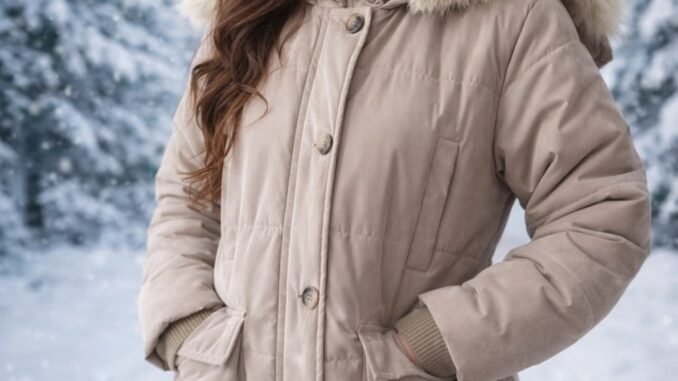
The old bargain: warm or stylish, pick one. Puffy marshmallow or freezing fashionista. How do I choose a winter jacket that is both warm and stylish? That tradeoff is officially dead — modern insulation is thinner and warmer than ever, and designers have figured out how to cut genuinely warm coats in silhouettes that look intentional rather than expeditionary. I’ve spent winters in cities where -10°F is normal and vanity still matters, and the warm-stylish overlap is bigger than most people think. Here’s how to find it.
How Do I Choose a Winter Jacket That Is Both Warm and Stylish? The Warmth Side
Style without warmth is just expensive suffering. The non-negotiable warmth specs:
- Insulation: down (550+ fill power) or quality synthetic (PrimaLoft, ThermoBall). Modern synthetics rival down in thin profiles — the key to stylish warmth is high-loft-thin insulation.
- Windproof shell: wind steals more heat than cold air. A windproof membrane or tight weave matters as much as insulation.
- Coverage: longer cuts (mid-thigh to knee) are dramatically warmer. Hip-length fashion puffers sacrifice the entire lower half.
- Sealed details: storm flaps, ribbed cuffs, drawcord hems — the unsexy features that separate warm from “warm-rated.”
The Style Side: Silhouettes That Do Both
- The tailored wool coat + technical layering: the ultimate style move — a beautiful wool overcoat (thrift one for $30–$50, see thrift tips) over a thin down vest or Heattech layers. Looks like fashion, performs like gear. Works to about 20°F with proper layering.
- The long quilted coat: knee-length quilted/belted coats (Orolay, Uniqlo, Mango) — the quilting reads as design detail, the length provides real warmth, the belt creates shape. The stylish-warm sweet spot.
- The sleek parka: matte-finish, minimal-branding parkas in black, navy, or olive (Nobis, Mackage on sale, or Uniqlo’s seamless down) — expedition warmth, city appearance. Avoid shiny shells and giant logos for the stylish read.
- The fitted puffer: shorter puffers work if they’re matte, well-cut, and paired with warm layers below (the layering system handles the rest). Hourglass seaming or belted waists prevent the marshmallow effect.
- The shearling/aviator: genuinely warm (shearling is superb insulation) and inherently stylish. Real shearling is pricey; quality faux versions ($100–$150) perform well to moderate cold.
The Decision Framework
- How cold, really? Above 25°F: style-first options work (wool coat + layers, sleek puffer). 0–25°F: you need real insulation specs — long quilted coat or quality parka. Below 0°F: prioritize the extreme-cold playbook; style within those constraints.
- City or outdoors? City: appearance matters, wind is the enemy (tall buildings = wind tunnels), and you’ll be in heated spaces (easy on/off, not too bulky). Outdoors: function dominates, get the expedition specs.
- Your style baseline: the warmest jacket you’ll actually wear beats the theoretically perfect one you hate. Match the jacket to your existing wardrobe — a minimalist in all black needs a different coat than a maximalist in color.
- Cost per wear: a $200 coat worn 100 days a year for 5 years = $0.40/wear. Winter coats are the highest-ROI clothing purchase — buy the good one.
Details That Signal “Stylish” vs. “Expedition”
- Matte over shiny: shiny shells read sporty; matte reads refined.
- Minimal branding: giant logos read as gear; clean surfaces read as fashion.
- Dark, rich colors: black, navy, olive, camel, burgundy. Neon = ski slope, not street.
- Thoughtful hardware: quality zippers, horn-look buttons, clean lines.
- Belted or shaped waists: the #1 anti-marshmallow feature.
- Knee length: longer reads more elegant and is warmer. Double win.
Specific Picks (Warm + Stylish, Various Budgets)
- Uniqlo Seamless Down long coat (~$150–$200): the minimalist’s answer — no stitching lines, clean silhouette, serious warmth.
- Orolay thickened down jacket (~$140–$170): the viral coat earned it — warm, flattering seaming, under $200.
- Mango/Massimo Dutti wool-blend coats (~$120–$200 on sale): for the tailored-wool-over-layers strategy — European cut, refined look.
- Thrifted wool overcoat + Uniqlo ultra-light down vest (~$60 total): the budget fashion-insider move. Vintage wool coats are everywhere secondhand; the hidden down vest does the thermal work.
- Lands’ End / L.L.Bean long down coats (~$150–$250 on sale): classic American warmth in cleaner cuts than you’d expect.
Complete the winter system with boots that survive winter and the layering principles that make any coat warmer. And when spring comes, proper off-season storage protects the investment.
For tested warmth-meets-style rankings, Good Housekeeping’s coat tests and Who What Wear’s stylish picks cover both sides of the equation.
The Thrifted Wool Coat Strategy, Expanded
Let’s go deeper on the highest-value move in winter fashion: the thrifted wool overcoat. What to hunt: 100% wool or wool-cashmere blends (check the tag — “virgin wool,” “camel hair,” and “cashmere blend” are the jackpots), classic cuts (single-breasted, notch lapel, knee-length — timeless for decades), and quality construction (lined, real horn or corozo buttons, tight weave). Where: affluent-neighborhood thrift stores, estate sales, and consignment shops — wool coats are among the most-donated quality items because people buy them and rarely wear them out. What to pay: $25–$60 for coats that retailed $300–$800. The required step: professional dry cleaning ($15–$20) before wearing, then $30–$50 in tailoring (sleeve length, waist suppression) — total investment under $130 for a coat that looks and performs like $500. The thermal secret: wear an ultra-light down vest or Heattech layers underneath — invisible warmth that lets the beautiful wool do the visual work. This single strategy solves “warm and stylish” for less than the price of one mediocre new coat.
Kids’ Winter Jackets: The Same Rules, Smaller
Everything above applies to kids’ jackets — with two additions. Buy for growth: one size up with adjustable cuffs and hems (many kids’ jackets have extendable features) — kids outgrow perfect fits in one season. Prioritize function over fashion: kids won’t maintain a coat, so choose durable, washable, darker colors that hide playground wear. The secondhand market for kids’ winter gear is incredible — barely-worn quality coats for $15–$30, since kids outgrow them before wearing them out. Check school lost-and-found sales, parent groups, and consignment stores. And teach the layering system early — a kid who understands base-mid-outer stays warm in anything, while a kid in one giant coat is either sweating or freezing with no middle ground.
The practical takeaway: define your real temperature range, choose a silhouette that flatters (long quilted, sleek parka, or wool-over-technical-layers), demand windproof + sealed details + real insulation specs, and favor matte, minimal, dark, and belted for the stylish read. Warm and stylish was never a tradeoff — it was a shopping strategy.
Leave a Reply