
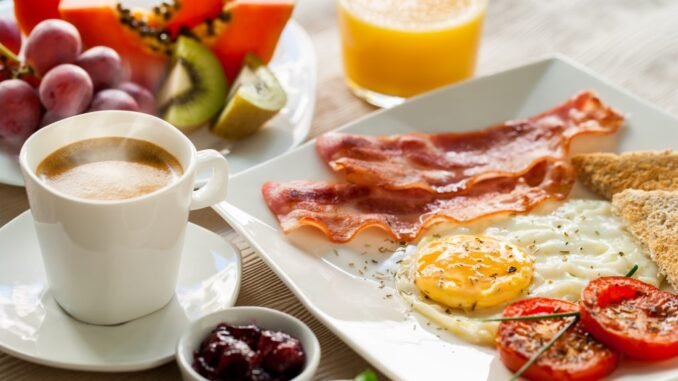
You’ve heard “breakfast is the most important meal of the day” — and also “skip breakfast, try intermittent fasting.” Both camps sound confident. Meanwhile you’re standing in front of the fridge at 7am, running late, grabbing whatever’s fastest (usually carbs). If you’re asking what is the healthiest breakfast to eat before work, here’s the evidence-based answer: breakfast can help weight loss, but what matters isn’t whether you eat it — it’s what you eat. A protein-rich, high-fiber breakfast reduces hunger and calorie intake all day; a sugary one does the opposite.
The research nuance: studies on “breakfast vs. skipping” are genuinely mixed — some show benefits, others show no difference (intermittent fasters do fine skipping). But studies on breakfast composition are remarkably consistent: high-protein breakfasts (25–35g protein) reduce ghrelin (the hunger hormone), increase satiety, and cut subsequent calorie intake by 200–400 calories daily. The mechanism isn’t magic — it’s appetite control. A breakfast that keeps you full until lunch prevents the 10:30am vending machine raid that derails diets.
What Is The Healthiest Breakfast To Eat Before Work? The Formula
Build every breakfast from this template:
- Protein: 25–35g (the satiety anchor — non-negotiable for weight loss breakfasts)
- Fiber: 5–10g (slows digestion, feeds gut health, extends fullness)
- Healthy fat: moderate (satiety + nutrient absorption — but watch portions, fats are calorie-dense)
- Minimal added sugar: Under 10g. Sugar at breakfast sets up the spike-crash-hunger cycle by mid-morning.
- Target: 350–500 calories (adjust to your total daily needs — the U.S. Dietary Guidelines offer personalized calorie targets by age, sex, and activity level)
The Best Weight-Loss Breakfasts (With Protein Counts)
- Greek yogurt bowl: 1 cup plain Greek yogurt (20g protein) + ½ cup berries + 2 tbsp nuts + cinnamon. ~350 cal, 25g protein. The easiest high-protein breakfast in existence.
- Veggie egg scramble: 3 eggs (18g) + 2 egg whites (7g) + spinach, peppers, mushrooms + ¼ avocado. ~400 cal, 28g protein. Add hot sauce, not cheese (or little cheese).
- Overnight oats (protein version): ½ cup oats + 1 scoop protein powder or ¾ cup Greek yogurt + chia seeds + berries. ~400 cal, 25–30g protein. Prep 5 jars Sunday night.
- Cottage cheese bowl: 1 cup low-fat cottage cheese (28g protein!) + pineapple or peaches + 1 tbsp flaxseed. ~300 cal. Underrated protein powerhouse.
- Protein smoothie: Protein powder + frozen berries + spinach + 1 tbsp peanut butter + water/milk. ~350 cal, 25–30g protein. For people who can’t face solid food early.
- Smoked salmon + eggs: 2 eggs + 3 oz smoked salmon on whole grain toast. ~400 cal, 30g protein. Weekend-worthy, weekday-doable.
- Tofu scramble (plant-based): Firm tofu crumbled with turmeric, nutritional yeast, veggies. ~350 cal, 20g protein. Add a protein shake to hit 30g.
Breakfasts That Sabotage Weight Loss
- Sugary cereal: 12–20g sugar per serving (and servings are smaller than you pour). Hunger returns in 90 minutes.
- Pastries, muffins, donuts: 400–600 calories of refined carbs + fat, near-zero protein. The worst common breakfast.
- Flavored oatmeal packets: The oats are fine; the 12g of added sugar isn’t. Buy plain, add your own fruit.
- Juice (even “100%”): All the sugar of soda without the fiber of fruit. Eat the orange instead.
- Granola: Often 400+ cal and 15g+ sugar per small serving. It’s dessert marketed as health food — check labels ruthlessly.
- Just coffee: Fine if you’re doing intentional intermittent fasting — but “coffee suppresses my hunger until I binge at noon” isn’t a strategy.
The Intermittent Fasting Question
Honest answer: IF works for weight loss if it helps you eat fewer total calories — and doesn’t if you just compress the same overeating into 8 hours. Skipping breakfast is fine if: you’re genuinely not hungry mornings, you eat a protein-rich first meal at noon, and total daily calories stay in target. It’s not fine if: you “fast” until 11am then inhale 1,200 calories of breakroom donuts. The breakfast question is really a total-daily-intake question. For the broader nutrition picture, see our energy foods guide and late-night snacking guide — breakfast is one meal; the full day is the diet.
Meal Prep: Removing the Morning Decision
The #1 reason breakfasts fail is morning friction. Fix it Sunday:
- Overnight oats: 5 jars, 15 minutes total.
- Egg muffins: whisk eggs + veggies, bake in muffin tin, refrigerate — grab 3 each morning.
- Pre-portion smoothie bags: frozen fruit + spinach in bags; dump in blender with protein powder.
- Hard-boil a dozen eggs: 2 eggs + Greek yogurt = emergency high-protein breakfast.
When the healthy choice is the easy choice, you make it. When it requires cooking at 7am, you don’t. Design for your laziest morning self.
Quick Answers: Healthy Workday Breakfasts
Is it bad to skip breakfast before work?
Not inherently — if you’re genuinely not hungry and eat well later, skipping is fine (intermittent fasting works for many). It becomes a problem when “skipping” means running on coffee until a 10:30am vending machine binge. Either eat a real breakfast or commit to a real first meal — the gray zone is where diets die.
What’s the healthiest grab-and-go option?
Greek yogurt with nuts (buy plain, add your own fruit), a banana with a peanut butter packet, or hard-boiled eggs with a piece of fruit. All deliver protein and require zero morning prep if you stock them Sunday. The common thread: protein plus something whole, nothing from a drive-thru wrapper.
How much protein should breakfast have?
Aim for 20–30 grams — that’s the range research links to better satiety and reduced daily calorie intake. For reference: 1 cup Greek yogurt (~20g), 3 eggs (~18g), or a protein smoothie (~25g). Most traditional breakfasts (cereal, toast, pastries) deliver under 8g, which is why hunger returns by mid-morning.
Does coffee count as breakfast?
No — but coffee alongside breakfast is fine. The issue is coffee instead of breakfast suppressing hunger until you overeat later. If you love your morning coffee, keep it; just pair it with actual food containing protein.
The bottom line: eat a breakfast with 25–35g protein, 5–10g fiber, minimal added sugar, and 350–500 calories — Greek yogurt bowls, egg scrambles, protein overnight oats, cottage cheese, or smoothies. This controls hunger hormones and cuts 200–400 calories from the rest of your day automatically. Prep it Sunday so mornings require zero decisions. And if you’d rather skip breakfast entirely with intentional intermittent fasting, that’s fine too — what matters is total daily intake and the protein/fiber quality of what you do eat.
Leave a Reply