
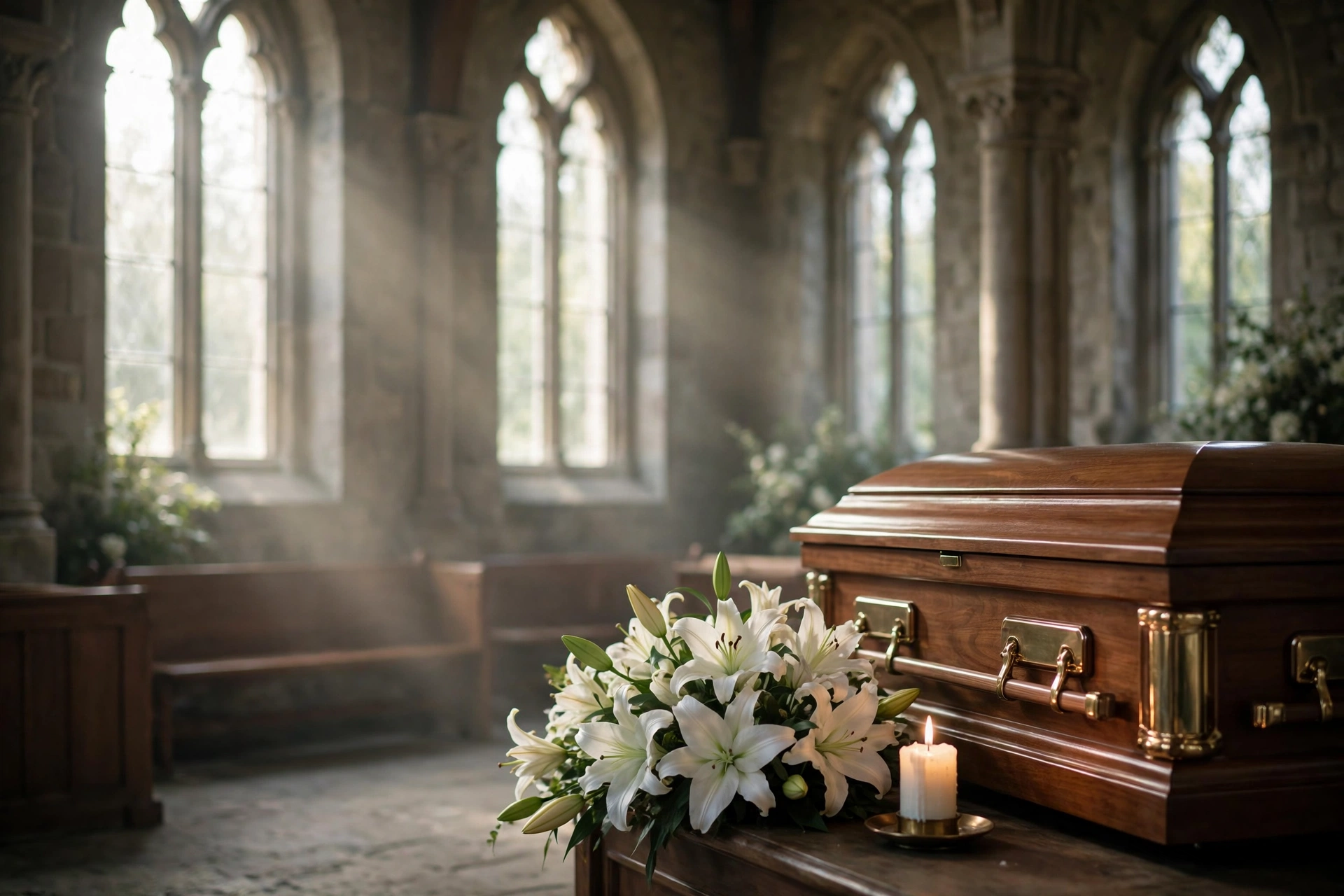
When someone dies, one of the first practical questions the family faces is timing: how soon does the funeral need to happen? Between grief, paperwork, and relatives traveling in from out of town, it can feel like everything needs to happen at once. The reassuring truth is that funerals are usually held 3 to 7 days after death — and there’s more flexibility in that window than most people expect.
This guide covers typical timelines, what can speed things up or slow them down, and how to handle the pressure when everything feels urgent.
The Typical Timeline: 3 to 7 Days
In the United States, most funerals take place within a week of death. Three to five days is the most common range. This gives the family time to:
- Choose a funeral home and make arrangements
- Decide between burial and cremation
- Notify extended family and close friends
- Allow out-of-town relatives time to travel
- Prepare an obituary and order flowers
- Plan the service itself (readings, music, speakers)
Religious traditions shape this significantly. In Judaism, burial typically happens within 24 to 48 hours. In Islam, burial is usually within 24 hours as well. Catholic and Protestant Christian funerals commonly fall in the 3-to-7-day window. Hindu funerals traditionally occur within 24 hours, though this varies. If the deceased followed a faith tradition, check with the relevant clergy first — religious requirements take priority over convenience.
What Has to Happen Before the Funeral
Several steps have to be completed before any service can take place, and each one takes time:
1. Legal pronouncement of death
A medical professional must officially pronounce the death and sign the death certificate. In a hospital or hospice, this happens quickly. For a death at home, you’ll need to call emergency services or hospice staff first — don’t move the body before this step.
2. Transport to the funeral home
Once you’ve chosen a funeral home, they’ll collect the deceased, usually within a few hours of your call. Most funeral homes offer this service around the clock.
3. Permits and paperwork
Burial and cremation both require permits, which the funeral home typically handles. Cremation usually requires an additional authorization form signed by the next of kin, plus a mandatory waiting period in many states (often 24–48 hours).
4. Preparation of the body
If you’re having a viewing or open casket, embalming and preparation take a day or two to schedule. If not, refrigeration at the funeral home preserves the body with no rush.
Reasons Funerals Get Delayed
Sometimes a week isn’t enough, and that’s okay. Common reasons for longer timelines include:
- Family travel: Waiting for a child, sibling, or parent flying in from abroad can push the service to 10–14 days.
- Autopsy or investigation: If the death was unexpected, the medical examiner may need several days or even weeks. The funeral home can advise on what’s possible during the wait.
- Organ or tissue donation: Adds coordination time but is usually completed within 24–48 hours.
- Venue availability: Popular churches or cemeteries book up, especially on weekends.
- Military honors: Arranging military funeral honors can add a few days of coordination.
- Winter weather: In northern states, frozen ground can delay burial until spring — the service itself is often held anyway, with interment later.
Modern refrigeration means there’s no health reason to rush. A body can be held safely for two weeks or more. Don’t let anyone pressure you into a timeline that doesn’t work for your family.
Reasons Funerals Happen Faster
- Religious requirements calling for burial within 24–48 hours
- Simple direct cremation or burial with a memorial service planned for later
- The deceased’s own wishes for something quick and simple
- Family preference — some families find waiting harder than acting quickly
Funeral vs. Memorial Service: The Timing Difference
It’s worth knowing the distinction, because it affects your timeline options:
- Funeral: The body is present (casket or urn). Usually happens within days of death.
- Memorial service: The body is not present. Can happen weeks or even months later, giving everyone time to gather.
- Celebration of life: Similar to a memorial, often less formal, flexible timing.
Many families now split the difference: a small, quick burial or cremation for immediate family, followed by a larger memorial service weeks later when everyone can attend. This takes enormous pressure off the first week. If you’re also navigating the legal side of major life events, our guide on how getting married works covers the paperwork side of life’s other big milestone.
What If You Need More Time to Decide?
You don’t have to plan the entire service in the first 48 hours. Funeral homes will hold the deceased while you make decisions. The essential early choices are: which funeral home, burial or cremation, and a rough date. Details like flowers, music, and who speaks can come later in the week.
If family members disagree about arrangements, the legal right to decide typically falls to the spouse first, then adult children, then parents, then siblings — though this varies by state. The funeral director can explain your state’s specific order.
Practical Checklist for the First Week
- Day 1: Death pronounced, funeral home chosen and contacted, close family notified
- Day 2: Meet with funeral director, decide burial vs. cremation, set a tentative date
- Day 3: Write and submit the obituary, notify wider circle, arrange flowers
- Day 4–5: Plan service details — officiant, readings, music, photo displays
- Day 5–7: Service takes place
This is a framework, not a rulebook. Some families compress it into three days; others stretch it to two weeks. Both are normal.
The Bottom Line
Most funerals happen 3 to 7 days after death, but the only real deadlines are religious requirements and your family’s needs. Don’t rush past grief to meet an imaginary schedule, and don’t let logistics guilt you either. Take the time you need — the people who matter will understand.
For more on how different ceremonies are structured, see how long a wedding ceremony lasts — life’s milestones share more planning DNA than you’d think.
Understanding Funeral Traditions
Every culture handles death differently, and knowing the broader landscape helps you make confident decisions under pressure. The funeral customs and practices documented around the world range from 24-hour burials to weeks-long ceremonies — there is no single “correct” timeline. What matters is honoring the deceased’s wishes and giving the living enough time to gather and grieve. If you’re ever unsure what’s appropriate, funeral directors deal with these questions daily and will guide you without judgment.
How Funeral Homes Help With Timing
You don’t have to figure out the logistics alone. A good funeral director coordinates permits, transportation, preparation, and scheduling — and the National Funeral Directors Association guidance holds members to professional standards for exactly this kind of support. When you first call, be upfront about your constraints: relatives flying in, religious requirements, budget limits. Directors can often suggest creative solutions, like a weekday service to secure a venue faster or a memorial service later for those who can’t travel in time.
Supporting Grieving Family During the Wait
The days between death and the funeral are often the hardest — the shock is fresh but the ritual of goodbye hasn’t happened yet. If you’re supporting someone in this window:
- Show up with specifics: “I’m bringing dinner Thursday” beats “let me know if you need anything.”
- Help with logistics: Offer to be the point person for out-of-town relatives, hotel bookings, or the obituary draft.
- Don’t rush their grief: Avoid phrases like “they’re in a better place” in the first days. Presence matters more than words.
- Remember after the funeral: Support drops off sharply after the service. Check in at two weeks, two months — that’s when it’s loneliest.
Leave a Reply