
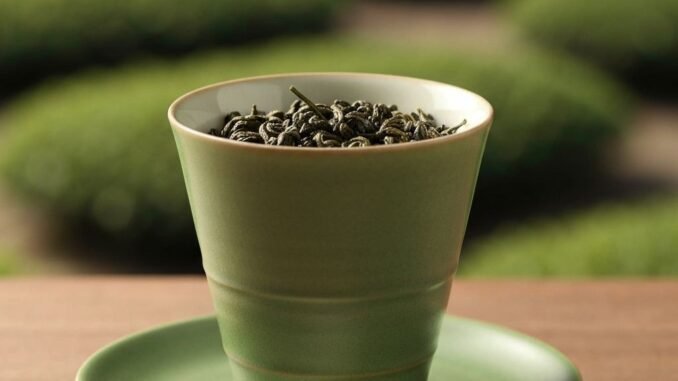
So, what are the benefits of drinking green tea every day? If you’ve been thinking about swapping your afternoon soda or your third cup of coffee for something a little kinder to your body, green tea is one of the easiest upgrades you can make. It’s cheap, it takes two minutes to brew, and researchers have been studying its effects on the human body for decades. I’ve been a daily drinker for about four years now, and while it hasn’t turned me into a different person, I’ve noticed steadier afternoons and far fewer energy crashes than when I lived on energy drinks.
Let’s be honest up front: green tea isn’t a miracle drink. No single food or beverage is. But the science behind it is genuinely solid, and the benefits are the kind that add up quietly over months and years rather than hitting you like a caffeine bomb. Here’s what daily green tea consumption can actually do for you, what it can’t, and how to get the most out of the habit.
What Are the Benefits of Drinking Green Tea Every Day for Your Heart?
The strongest evidence for green tea involves your cardiovascular system. Green tea is loaded with compounds called catechins, and the most studied of them is EGCG (epigallocatechin gallate). These are antioxidants, which means they help protect your cells from damage caused by unstable molecules called free radicals.
Large observational studies, particularly from Japan where green tea is a daily staple, have linked regular consumption to lower rates of heart disease and stroke. One long-running study of over 40,000 Japanese adults found that people who drank five or more cups a day had notably lower cardiovascular mortality than those who drank less than one cup. Correlation isn’t proof, of course — tea drinkers in Japan may also eat differently and smoke less — but the signal is consistent across multiple studies.
On the more practical side, some clinical trials suggest green tea can modestly lower LDL (“bad”) cholesterol and blood pressure. We’re talking small shifts, not dramatic ones. But combined with other heart-healthy habits — like drinking enough water every day and moving regularly — those small shifts add up. If you’re trying to decide between your daily green tea habit and your daily coffee habit and heart health, both can fit; you don’t have to pick just one.
Brain Focus Without the Jitters
One of my favorite things about green tea is the particular kind of alertness it delivers. A typical 8-ounce cup contains about 30 to 50 milligrams of caffeine — roughly a third of what’s in a cup of coffee. But green tea also contains L-theanine, an amino acid that promotes calm focus. The combination is what researchers call “calm alertness”: you’re awake, but you’re not wired.
Studies on L-theanine plus caffeine show improved attention, reaction time, and working memory compared to caffeine alone. This is why a cup of green tea can be a great choice before an afternoon of focused work. It won’t make you sharper than you are, but it may help you stay steadily engaged without the shaky, anxious edge that strong coffee sometimes brings.
Weight Management Support
Let’s keep expectations realistic: green tea will not melt fat off your body. But several studies suggest the catechins plus caffeine combination can slightly increase calorie burning and fat oxidation, especially around exercise. We’re talking maybe an extra 70 to 100 calories a day in some studies — the equivalent of a brisk 15-minute walk.
Where green tea really helps with weight is as a replacement. If you trade a 150-calorie soda or a 250-calorie flavored latte for a zero-calorie cup of green tea, that swap alone can make a meaningful difference over a year. Pair that with the benefits of walking 10,000 steps a day and you’ve got a genuinely effective routine.
How Much Green Tea Should You Drink Daily?
Most of the research showing benefits used 3 to 5 cups per day. That’s a reasonable target for most adults. One or two cups still gives you some antioxidants, and five cups gets you into the range where the bigger studies saw effects.
A few practical tips from my own routine:
- Brew it right. Water around 175°F (not boiling) and a 2–3 minute steep gives you the best flavor. Boiling water makes green tea bitter.
- Watch your timing. That 30–50 mg of caffeine per cup matters if you’re sensitive. I stop drinking it after about 2 p.m.
- Skip the bottled stuff. Most bottled “green tea” drinks are mostly sugar with a whisper of tea. Brew your own — a box of 100 bags at Walmart runs about $3–$4.
- Talk to your doctor first if you’re pregnant, take blood thinners, or have iron deficiency, since green tea can affect iron absorption when drunk with meals.
Are There Any Downsides?
For most people, green tea is very safe. The main cautions are the caffeine (real but modest), possible stomach irritation on an empty stomach (common — I always eat a little something first), and interactions with certain medications. Green tea extract supplements are a different story — concentrated extracts have been linked to liver issues in rare cases, which is why I stick to the brewed drink. If you want the benefits, drink the tea, don’t mega-dose the pills.
The bottom line: a daily green tea habit is one of the simplest, cheapest health upgrades available. Brew a few cups, enjoy the ritual, and let the small benefits compound. According to the evidence-based breakdown at Healthline, the research support spans heart health, brain function, and metabolism — which is more than most beverages can claim. And if you’d rather get your antioxidants from the lab directly, the National Center for Complementary and Integrative Health has a thorough review of what green tea can and can’t do.
Making It a Habit That Sticks
The healthiest beverage is the one you actually drink daily. Keep a box of tea bags at your desk and a kettle or electric water heater nearby — removing friction is everything. I brew a pot in the morning and refill my cup through the afternoon; the ritual itself becomes a calming break. If plain green tea bores you, try jasmine green, genmaicha (toasted rice green tea), or a squeeze of lemon, which may help your body absorb the catechins more effectively. Iced green tea in summer is just as beneficial — brew it double-strength and pour over ice. The key is consistency over perfection: even two cups daily, most days, puts you in the range where studies see benefits.
The practical takeaway: aim for 2–4 cups of brewed green tea a day, steeped at 175°F for a couple of minutes, ideally between meals. It’s not magic — it’s just a genuinely healthy habit that costs pennies a day.
Leave a Reply