
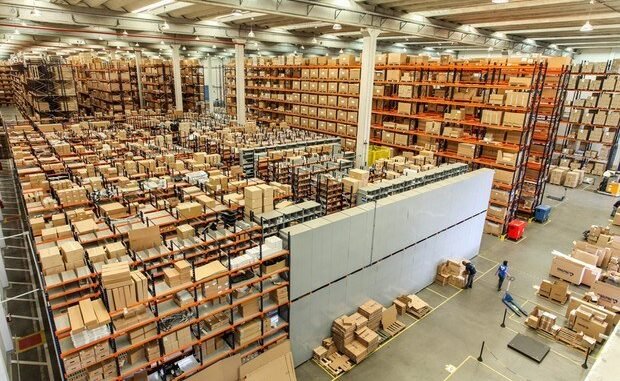
Learning how do I find wholesale suppliers for my online store is the difference between a real product business and an expensive hobby. Your supplier determines your costs, quality, reliability, and ultimately your margins. I have sourced products across multiple businesses, made the scam mistakes so you do not have to, and the process below is what actually works in 2026.
How Do I Find Wholesale Suppliers for My Online Store? Start With Directories
- ThomasNet (thomasnet.com): The best directory for US manufacturers and industrial suppliers. Free, extensive, and focused on domestic sourcing.
- Alibaba: The giant for overseas manufacturing. Enormous selection, but vetting is critical (see below). Best for custom/private-label products at scale.
- SaleHoo / Worldwide Brands: Paid directories ($67-$299) that pre-vet suppliers. Worth it for beginners who want a safer starting pool.
- Faire: Wholesale marketplace for independent brands, excellent for boutiques and gift shops. Net-60 terms for qualified buyers.
- Industry-specific directories: Every niche has them (e.g., fashion, beauty, pet). Google “[your niche] wholesale directory” and join trade associations for member lists.
- Google with precision: Search “[product] wholesale supplier,” “[product] distributor,” “[product] private label manufacturer.” Skip page one ads; real suppliers often rank organically on pages 2-3.
Trade Shows: The Underrated Goldmine
Nothing beats meeting suppliers in person. Major US trade shows (by category): ASD Market Week (Las Vegas, general merchandise), MAGIC (fashion), Natural Products Expo (food/wellness), Global Pet Expo. You can touch products, negotiate face-to-face, compare dozens of suppliers in a day, and build relationships that get you better terms. Budget $500-$1,500 for travel; one good supplier relationship pays for it many times over. Many shows now offer virtual attendance options too.
Contacting Manufacturers Directly
For the best margins, go to the source: find brands you admire and ask who manufactures for them, or contact factories directly. Use a professional outreach email:
- Introduce your business briefly and credibly.
- Specify what you want: product type, estimated quantities, timeline.
- Ask about: MOQs (minimum order quantities), pricing tiers, lead times, sample policies, customization options, and payment terms.
- Request samples before any bulk order, always. Budget $50-$200 for samples; it is the cheapest insurance in sourcing.
Vetting Suppliers: Avoiding Scams and Disasters
- Verify the business: Check business licenses, how long they have operated, and physical address (Google Maps it). Call them; real suppliers answer phones.
- Order samples first. Evaluate quality, packaging, and shipping speed. If samples are bad, bulk will be worse.
- Start with a small test order. Never place your full budget on an unproven supplier, no matter how good the price.
- Red flags: Prices far below market (bait), refusal to provide samples, no verifiable address, pressure for wire transfer only, no references, inconsistent communication.
- Payment safety: Use credit cards or Alibaba Trade Assurance for first orders (dispute protection). Never wire large sums to unverified suppliers. Move to better terms (net-30) only after trust is established.
- Get references: Ask for 2-3 current customer references and actually contact them.
- Check compliance: For regulated products (cosmetics, food, children’s items, electronics), verify the supplier meets FDA, CPSIA, FCC, or relevant standards. Liability for non-compliant products falls on you as the seller.
Negotiating Like a Pro
- MOQs are negotiable, especially for first orders. Ask for half the stated MOQ as a trial.
- Price breaks at volume: Get the pricing tiers in writing (1,000 units vs. 5,000 vs. 10,000).
- Payment terms improve with history: Start prepaid, earn net-30 within 2-3 successful orders.
- Exclusivity: For strong products, negotiate territorial or channel exclusivity to protect your investment in marketing.
- Always have a backup supplier for critical products. Single-supplier dependency is a business risk; disruptions (shutdowns, price hikes, quality drops) happen.
Domestic vs. Overseas Sourcing
- Domestic (US) pros: Faster shipping (days not months), easier communication, no customs/tariffs, simpler quality control, “Made in USA” marketing value. Cons: 20-50% higher costs, smaller selection.
- Overseas pros: Lowest costs, vast selection, custom manufacturing. Cons: 30-60 day lead times, language barriers, quality control challenges, tariffs, IP risks.
- My recommendation for beginners: Start domestic or with established importers while you learn. Move to direct overseas sourcing once volume justifies the complexity (typically $50,000+/year in COGS).
The SBA’s import/export resources cover the regulatory side of overseas sourcing, including customs and compliance basics worth reviewing before your first international order.
The Bottom Line
Find wholesale suppliers through directories (ThomasNet, Alibaba, Faire, niche-specific), trade shows for relationship building, and direct manufacturer outreach for best margins. Always vet with samples and small test orders, verify business legitimacy, use protected payment methods initially, and negotiate MOQs and terms. Start domestic while learning, go overseas when volume justifies it, and never depend on a single supplier for critical products. Your supplier relationships are as valuable as your customer relationships; invest in them accordingly.
Quick Answers to Common Questions
What is a good MOQ for a first order?
As low as you can negotiate, ideally a trial quantity that limits risk while testing sales: 100-500 units for most products. Stated MOQs are often negotiable for first orders; suppliers would rather win a growing customer than enforce rigid minimums. Never commit your full budget to an unproven supplier regardless of how attractive the per-unit price looks at volume.
How do I avoid scams when sourcing from Alibaba?
Use Trade Assurance (payment protection) on every order, verify suppliers via the on-site verification badges and years in business, video-call the factory, order samples before bulk, and never wire money outside the platform. Prices dramatically below market are bait. Legitimate suppliers answer detailed questions patiently; scammers pressure quick decisions and resist verification.
Should I use a sourcing agent?
For orders above $10,000-$20,000 from overseas, often yes. Agents ($200-$500 per order or 5-10% commission) handle supplier vetting, quality inspections, negotiation, and logistics in the local language. They pay for themselves by preventing one bad shipment. Below that threshold, direct sourcing with careful vetting usually suffices.
How far in advance should I order inventory?
Domestic: 2-4 weeks lead time plus buffer. Overseas: 30-60 days production plus 20-40 days shipping, so 3-4 months total. Add buffers for holidays (Chinese New Year shuts factories for weeks) and your selling season. Stockouts cost more than carrying costs for proven products; running out during peak season is the expensive mistake.
Leave a Reply