
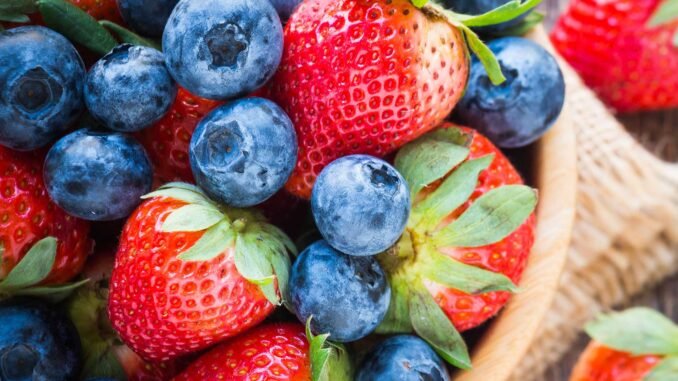
Berries are the supermodels of the produce aisle — gorgeous, expensive, and tragically short-lived. A $6 box of raspberries can go from perfect to fuzzy in 48 hours. If you’re asking what is the best way to clean and store fresh berries, the answer will save you real money: a vinegar bath and proper storage can triple their life.
I used to lose half of every berry purchase to mold. Now my strawberries last 10 days and my blueberries two weeks, using a method that takes five minutes. Here’s exactly how.
What is the best way to clean and store fresh berries: The Short Answer
The best way to clean and store fresh berries: soak for 5 minutes in a bath of 3 parts water to 1 part white vinegar to kill mold spores, rinse gently, then dry completely — spread on towels and air-dry or use a salad spinner lined with paper towels. Store unwashed-or-washed-and-bone-dry berries in a breathable container lined with a dry paper towel in the fridge. Don’t wash until just before eating if you won’t do the full dry routine; moisture is what kills berries.
Why This Matters More Than You Think
Berry spoilage is almost entirely about mold — microscopic spores already on the fruit that bloom in moisture. FoodSafety.gov’s produce safety tips The vinegar bath doesn’t make berries taste like vinegar (you rinse it off); the mild acid simply kills surface spores before they can colonize. Drying matters just as much: mold needs moisture to grow, so berries stored wet are doomed regardless of washing. The original vented clamshell is actually decent storage — it breathes — but a paper towel to wick condensation improves it further.
5 Tips That Actually Work
Do the vinegar bath right
Mix 3 cups cold water with 1 cup white vinegar in a large bowl. Submerge berries for 5 minutes — no longer, or delicate raspberries get mushy. You’ll sometimes see tiny debris float up; that’s normal. This kills the mold spores responsible for 90% of berry spoilage.
Rinse gently and dry obsessively
Rinse under a gentle stream or in a clean water bath — no vigorous scrubbing on raspberries. Then dry: spread on a towel-lined sheet pan for 30–60 minutes, or spin in a salad spinner lined with paper towels. Berries must be completely dry before storage. Any dampness undoes the whole process.
Sort before you store
One moldy berry really does spoil the bunch — mold spreads through contact. Pick through and remove any soft, leaking, or fuzzy berries immediately. Check again every couple of days and evict casualties. This triage habit alone adds days to the box.
Store cold, breathable, and dry
Line the original vented container (or a shallow bowl) with a dry paper towel, add berries in a single-ish layer, and refrigerate. The towel wicks condensation. Don’t seal berries in airtight bags — trapped moisture accelerates mold. Strawberries keep 7–10 days, blueberries up to 2 weeks, raspberries and blackberries 5–7 days with this method.
Freeze the surplus
If you can’t eat them in time, freeze: wash, dry completely, spread on a parchment-lined sheet pan, freeze solid (2 hours), then bag. Individually frozen berries don’t clump, so you can grab a handful for smoothies. They keep 6–8 months and are perfect for cooking and blending.
My Favorite Tools and Brands
I only recommend gear I’ve actually used or that’s widely vetted by testing labs — FDA’s guidance on washing produce is worth checking before you buy.
- Salad spinner — ~$30 — The fastest way to dry berries without bruising them.
- White vinegar (gallon) — ~$4 — The mold-killing bath; pennies per use.
- Paper towels or clean tea towels — ~$8 — For lining storage containers and air-drying.
- Sheet pan + parchment — ~$15 — For flash-freezing berries before bagging.
Common Mistakes to Avoid
- Washing and tossing them back wet. Wet storage is worse than no washing at all. Dry completely or don’t wash until serving.
- Storing in sealed bags. Berries need airflow. Sealed plastic traps the moisture that feeds mold.
- Keeping the moldy one ‘to eat around it.’ Mold spreads invisibly through soft fruit. One bad berry compromises its neighbors — remove it immediately.
- Buying more than you can eat. The best storage method can’t save berries you won’t eat in a week. Buy for 3–4 days, freeze the rest day one.
Frequently Asked Questions
Should I wash berries before storing?
Only if you’ll dry them completely afterward (vinegar bath + thorough drying extends life). If you won’t do the full routine, store unwashed and rinse just before eating. Half-dried is the worst option.
Why do my strawberries get mushy in the fridge?
Usually moisture or age. Hull strawberries only after washing (the stem cap protects the interior), keep them dry, and eat within a week. Overripe berries from the store were already on borrowed time — freeze those immediately.
Can you wash berries with baking soda instead of vinegar?
Baking soda removes pesticide residue and dirt well, but vinegar is better at killing mold spores — which is the actual spoilage driver. For longevity, vinegar wins. For a pre-eating rinse of already-clean berries, either is fine.
The $6 Strawberry Test
Next time you buy berries, run this experiment: split the box in half, vinegar-bath and properly store one half, and just refrigerate the other half as-is. Check both on day 5. The difference is so dramatic — plump and fresh versus fuzzy and weeping — that you’ll never skip the routine again. I did this once with a $6 box of strawberries and it permanently changed my produce habits. Sometimes you have to see it to believe it.
Vinegar bath, thorough drying, breathable cold storage, ruthless sorting — that’s the system for berries that last. Stop throwing away $6 boxes of raspberries. Put your fresh produce to work in one-pot meals for feeding a family, make crispy french fries in an air fryer, and thaw frozen meat safely and quickly.
Leave a Reply