
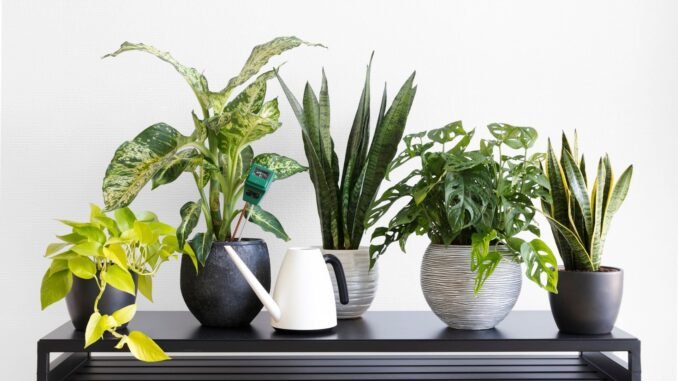
I have killed a cactus. A cactus — the plant that’s supposed to survive anything. So when I tell you these plants are beginner-proof, understand that the bar has been rigorously tested by someone with a horticultural black thumb. If you’re asking what are the best plants for beginners with no gardening experience, start with plants that forgive forgetfulness, dim apartments, and inconsistent watering. They exist, they’re cheap, and they look great.
Here’s my honest ranking, from “basically immortal” to “needs a tiny bit of attention.” Every plant on this list costs under $25 at Home Depot, Lowe’s, IKEA, or your local nursery, and none of them require special equipment.
What Are the Best Plants for Beginners With No Gardening Experience? The Unkillable Tier
- Snake plant (Sansevieria): The cockroach of houseplants, in the best way. Tolerates low light, bright light, missed waterings, and general neglect. Water every 2 to 3 weeks — when the soil is bone dry. $12 to $20 for a good-sized one.
- Pothos: The trailing vine you’ll see in every cool apartment. Survives low light, tells you when it’s thirsty (leaves droop slightly), and bounces back within hours of watering. Propagates in water, so one $10 plant becomes many.
- ZZ plant: Glossy, architectural, thrives on being ignored. Stores water in its rhizomes, so forgetting it for a month is fine. Slow-growing, which means it stays handsome for years without repotting.
- Spider plant: Forgiving, fast-growing, and produces baby “spiderettes” you can gift to friends. Handles a wide range of light and bounces back from underwatering dramatically.
The Easy-Plus Tier (Slightly More Attention, Big Payoff)
- Peace lily: Dramatic drooper — it faints when thirsty and perks up after watering, so it literally trains you. Bonus: elegant white flowers indoors. Note: toxic to cats and dogs, so skip if you have curious pets.
- Philodendron (heartleaf): Pothos’s classier cousin. Same easy care, slightly more refined look trailing from a shelf.
- Rubber plant: Bold, glossy leaves, very on-trend. Likes bright indirect light and a drink when the top inch of soil is dry. Wipe the leaves occasionally and it glows.
- Dracaena: Tall, sculptural, tolerates low light and irregular watering. Great for filling an empty corner.
- Aloe vera: Needs a sunny windowsill, but otherwise thrives on neglect — water deeply, then ignore for weeks. Useful for minor burns, too.
- Jade plant: A succulent that actually tolerates beginner mistakes. Bright light, infrequent water, and it can live for decades.
- Cast iron plant: The name is the review. Dark corners, missed waterings, fluctuating temperatures — it shrugs at all of it.
- Parlor palm: One of the few palms that tolerates low light and dry indoor air. Slow, steady, elegant.
The 5 Mistakes That Kill Beginner Plants
Nearly every dead houseplant died from one of these — and four of the five are about too much love, not too little:
- Overwatering: The number one plant killer. More plants drown than die of thirst. Rule of thumb: stick your finger an inch into the soil. Dry? Water. Damp? Walk away.
- No drainage: Pretty pots without drainage holes are plant coffins. Either drill a hole, use a nursery pot inside the pretty pot, or add a layer of pebbles — but drainage holes are the real answer.
- Wrong light guess: “Bright indirect light” means near a window but out of direct sunbeams. Most beginners overestimate their light. If you’re unsure, start with the low-light champions above.
- Repotting too soon: New plants don’t need bigger pots immediately. Being slightly root-bound is fine; a too-big pot holds too much wet soil and rots roots.
- Ignoring the seasons: Plants grow slower in winter and need less water. Keep the same summer schedule and you’ll drown them by February.
The Spruce’s beginner plant guide is a good second reference with photos, which helps when you’re standing in the nursery trying to remember what a ZZ plant looks like.
Your First-Week Setup (Under $50)
You don’t need a greenhouse. For your first three plants: the plants themselves ($10 to $20 each), a bag of general indoor potting mix ($8 — don’t use garden soil indoors), and pots with drainage holes if yours don’t have them. A $10 moisture meter takes all the guesswork out of watering and is the single best beginner purchase I know. Water with room-temperature tap water; most plants don’t care, though if your water is heavily chlorinated, letting it sit out overnight helps.
Start with three plants max. Learn their rhythms for a month. Then expand — plant people always expand. If you’re in a small space, trailing pothos and compact snake plants are ideal companions to small-apartment organizing, since they live on shelves and sills instead of floors. And if you’re weighing greenery versus fur, low-maintenance apartment pets pair well with pet-safe plants like spider plants and parlor palms.
Your First Year: A Beginner’s Plant Calendar
Plants have seasons, and working with them (instead of against them) makes beginner success almost automatic. Spring (March–May): prime buying season — nurseries are stocked and plants establish fast. Start with 2–3 plants max. Repot anything root-bound, begin a light fertilizing schedule (half-strength, monthly), and increase watering as growth resumes. Summer (June–August): growth season. Most houseplants want more water now — check soil twice weekly. This is propagation season too: snip pothos stems and root them in water for free plants.
Fall (September–November): growth slows. Ease off fertilizer by October, reduce watering frequency, and move plants back from summer outdoor vacations before nights drop below 50°F. Check for pests that hitchhiked inside. Winter (December–February): survival mode. Less water, no fertilizer, maximum light — move plants closer to windows. Expect some leaf drop; it’s normal, not failure. Run a humidifier nearby if your air is desert-dry. Follow this rhythm for one full year and you’ll understand your plants better than any care card could teach — you’ll have become, almost without noticing, a gardener.
The Bottom Line
Start with a snake plant, a pothos, and a ZZ plant. Water only when the soil is dry, give them whatever light you have, and leave them alone otherwise. In six months you’ll have thriving plants and the confidence to try a peace lily. The secret to a green thumb was never talent — it’s just picking plants that match your actual life.
Leave a Reply