
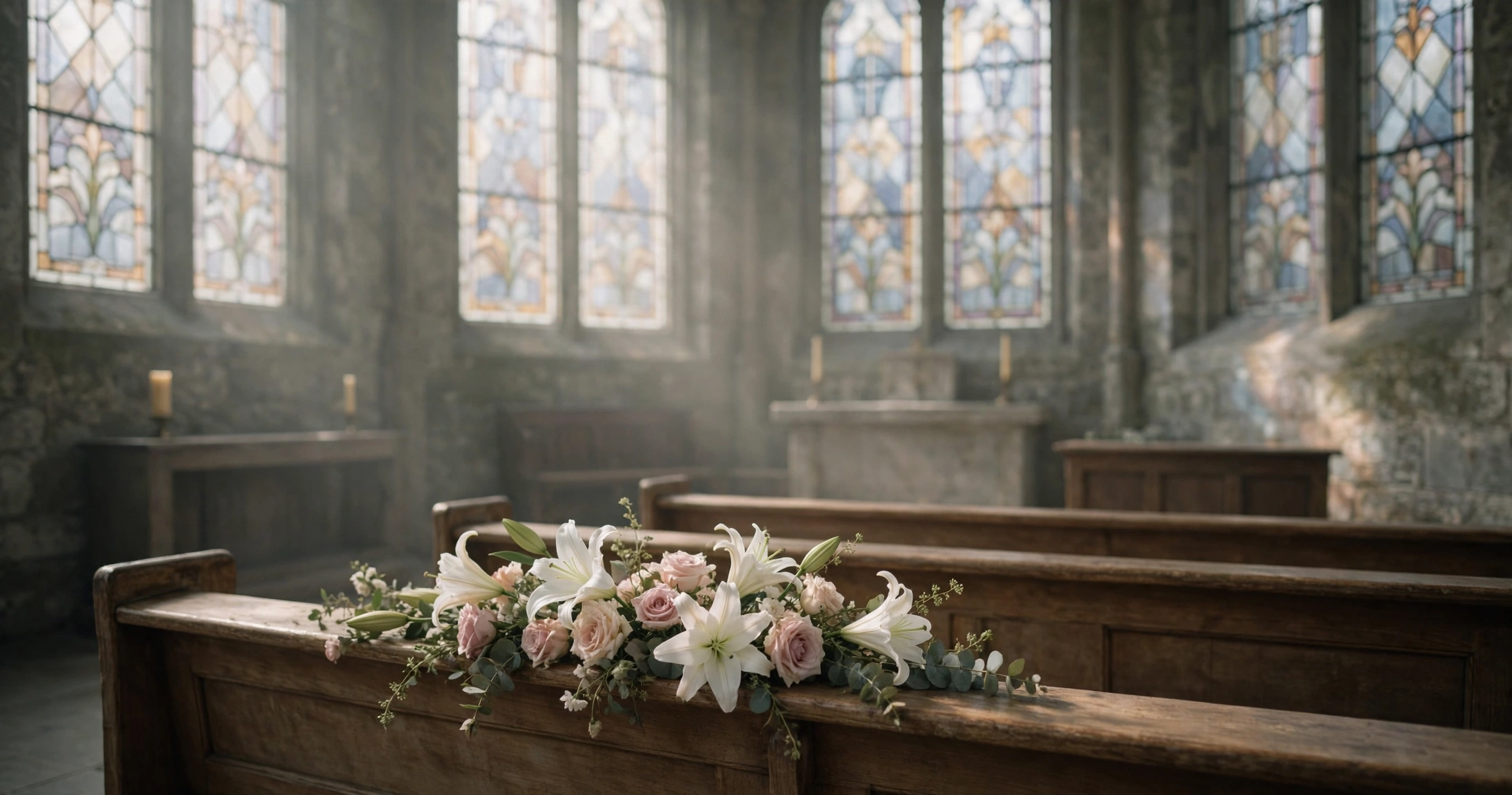
Attending a funeral is one of those things nobody wants to get wrong. You are there to support grieving people, and the last thing you want is to cause extra stress through a misstep. If you are wondering how to attend a funeral respectfully, this guide covers everything: what to wear, when to arrive, what to say, and the customs that vary between faiths and cultures.
The good news is that the core principle is simple — be quiet, be kind, and follow the family’s lead. Everything below is just the detail that helps you do that with confidence.
Before the Funeral: What to Do First
Respond to the Invitation
Funerals are not always open to everyone. If the notice says ‘family only’ or ‘private service,’ respect that completely — do not show up uninvited. If it is open, an RSVP is still appreciated when requested, as it helps the family plan seating and catering for the gathering afterwards.
Send Flowers or a Donation
Flowers are traditional, but always check the notice first. Many families now request donations to a chosen charity ‘in lieu of flowers,’ and honouring that wish matters more than your floral preferences. If flowers are welcome, have them delivered to the funeral home or place of worship ahead of time — do not carry a large arrangement into the service yourself.
Offer Practical Help
The most appreciated gestures are practical: bringing food, offering lifts, or helping with childcare. A vague ‘let me know if you need anything’ puts the burden on the grieving person; a specific ‘I’m bringing dinner on Thursday, does 6pm work?’ is far more useful.
What to Wear to a Funeral
The rule is conservative, dark, and understated. You are not there to be noticed.
- Men: a dark suit or dark trousers with a collared shirt. A tie is appropriate but not mandatory. Avoid bright colours, shorts, and trainers.
- Women: a dark dress, skirt, or trousers with a modest top. Keep hemlines and necklines conservative. Avoid flashy jewellery and strong perfume.
- Children: neat, dark or muted clothing. They do not need full formal wear, but avoid slogans and sportswear.
- how soon is a funeral after death
Some cultures have specific expectations — white is the traditional mourning colour in many East and South Asian traditions, for example — so if you know the family’s background, a quick check is worthwhile. When in doubt, dark and simple is never wrong. The Wikipedia overview of funeral customs is a useful primer on how traditions differ worldwide.
Arriving at the Service
- Arrive 15 to 20 minutes early. Rushing in late is disruptive; arriving very early can intrude on the family’s private moments.
- Sign the guest book. Families treasure these records. Print your name clearly and add how you knew the deceased.
- Turn your phone completely off. Not silent — off. A vibrating phone in a quiet chapel is surprisingly loud.
- Sit where directed. The first few rows are usually reserved for immediate family. Ushers will guide you.
- Follow the order of service. Stand, sit, and sing when others do, even if the rituals are unfamiliar to you.
What to Say (and What Not to Say)
Many people dread this part, but it is simpler than it feels. The grieving family does not need eloquence — they need to know you showed up and you care.
Say This
- ‘I’m so sorry for your loss.’
- ‘Your mother was a wonderful person — I’ll always remember her kindness.’
- ‘I’m thinking of you and your family.’
- ‘He meant a lot to me, and I’m going to miss him.’
- A brief, warm memory of the deceased, if you have one.
Avoid This
- ‘They’re in a better place’ or ‘It was God’s plan’ — unless you know the family’s beliefs welcome this.
- ‘I know exactly how you feel’ — you do not, even if you have grieved too.
- ‘At least they lived a long life’ — grief is not a maths problem.
- ‘You need to be strong’ or ‘Time heals all wounds’ — well-meant but dismissive.
- Asking intrusive questions about the cause of death.
If you are lost for words, a sincere hug and ‘I’m so sorry’ is completely enough. Presence matters more than phrases.
Religious and Cultural Customs to Know
Funeral customs vary enormously, and showing respect means adapting to the family’s traditions, not your own. Key differences include the wake or viewing traditions found in many cultures, where mourners gather before the main service.
- Christian services: usually involve hymns, prayers, and a eulogy. Non-Christian guests are welcome to attend and participate respectfully.
- Jewish funerals: typically held quickly, often within 24 to 48 hours. Men may be asked to wear a yarmulke (provided at the entrance). The mourners’ Kaddish is recited standing.
- Muslim funerals: the Janazah prayer is brief and performed standing. Non-Muslim guests may observe quietly. Burial usually follows promptly.
- Hindu funerals: white is the traditional colour of mourning. The ceremony may include cremation, and guests should dress modestly.
- Buddhist funerals: often include chanting and offerings. Bow respectfully; avoid pointing your feet toward the altar or casket.
If you are unsure about any custom, ask the funeral director or a family friend beforehand — they would far rather answer a question than see a guest unintentionally cause offence.
At the Burial or Cremation
If the service continues at a graveside or crematorium, the same principles apply: stay quiet, follow the officiant’s lead, and keep your distance from the immediate family unless invited closer. It is customary to wait until the family has left before you depart, unless an usher indicates otherwise.
Throwing a handful of earth onto the coffin or placing a flower is common in many traditions — participate if you are comfortable, and simply stand respectfully if you are not.
The Gathering Afterward
The reception after the funeral — sometimes called the repast, wake, or collation — is an important part of the day. This is where the mood often lifts slightly, and sharing happy memories of the deceased is not just allowed but welcomed.
- Do eat and drink what is offered — refusing can seem ungracious.
- Do share warm stories, but keep them appropriate and brief.
- Do not treat it as a party — keep your voice down and your stay reasonable.
- Do thank the family for including you before you leave.
Common Mistakes to Avoid
- Taking photos or videos during the service — never appropriate unless the family explicitly asks.
- Bringing uninvited guests, including children, without checking first.
- Talking about yourself — the day is not about your grief stories or your health.
- Posting on social media before the family has announced the death publicly.
- Overstaying at the family home in the days after.
After the Funeral: Staying Supportive
Grief does not end when the service does. The weeks after a funeral, when other mourners drift away, are often the hardest. A message a month later — ‘thinking of you’ — can mean more than anything you did on the day. If you want to keep being useful, keep offering specific help: a meal, a lift, an afternoon of company.
Life includes celebrations too. When the time is right, our guide to finding a baby shower venue in NJ can help you plan one of the happier gatherings.
Frequently Asked Questions
Is it rude to cry at a funeral?
Not at all. Quiet tears are completely natural and expected. Just try to keep audible sobbing discreet out of respect for others.
Should I bring my children?
Only if you are confident they can sit quietly through the service, and check with the family first. Very young children are often better left with a sitter.
How long should I stay at the gathering afterward?
Thirty minutes to an hour is typical. Take your cue from the family — when they start to look tired, it is time to make a gracious exit.
You May Also Like
- Best Baby Shower Venues in NJ — for life’s happier celebrations.
Leave a Reply