
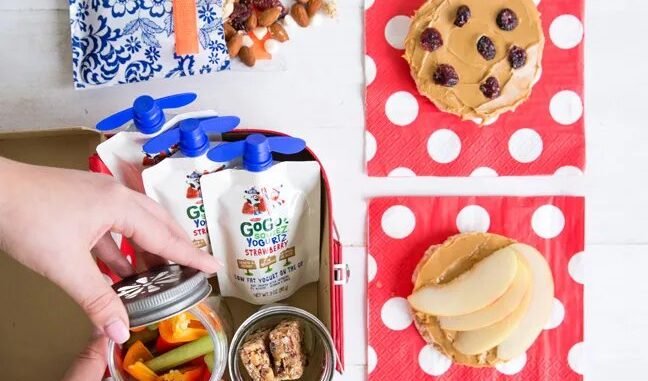
Gas station snack runs are where road trip budgets and health goals go to die — $4 for a candy bar, $3 for chips, and suddenly you’ve spent $30 on sugar and regret before lunch. I started packing a snack box for every road trip, and the math is absurd: $15 of groceries replaces $60+ of convenience-store grazing. If you’re asking what are the best road trip snacks that are healthy and cheap, here are 30 ideas organized by whether you have a cooler, plus the DIY mixes, kid strategies, and gas-station survival rules.
The formula for a great road trip snack: protein + fiber + not messy. Protein and fiber keep you full (preventing the hourly gas-station stop); low-mess keeps the car livable. Sugar-only snacks fail both tests — the crash hits right when you’re driving through nowhere.
What Are the Best Road Trip Snacks That Are Healthy and Cheap? No Cooler Needed
- DIY trail mix: the king. Bulk-bin almonds, peanuts, walnuts + raisins or dried cranberries + a few dark chocolate chips. $8 of bulk ingredients makes a gallon bag — vs. $6 for a tiny pre-made bag. Portion into small bags to prevent mindless handfuls.
- Roasted chickpeas or edamame snacks: crunchy, protein-packed, $3–$4 a bag. Satisfies the chip craving legitimately.
- Whole fruit: apples, bananas, oranges, grapes — nature’s original travel food. Sturdy, no prep, cheap. (Bananas bruise; pack them on top.)
- Peanut butter packets + apple slices or celery: Justin’s-style squeeze packs ($0.75 each) turn fruit into a real snack.
- Beef/turkey jerky: protein-dense, shelf-stable. Look for low-sodium, minimal-ingredient brands — or make your own if you’re ambitious.
- Roasted seaweed snacks: $3 for a multi-pack, salty-crunchy satisfaction at 25 calories a pack.
- Popcorn (pre-popped, lightly salted): whole grain, high fiber, cheap. SkinnyPop-style bags or pop your own before leaving.
- Granola/protein bars: the emergency reserve. RXBAR, KIND Protein, or store-brand — check sugar (under 8g is the target). Buy boxes at Costco/Target, not singles at gas stations ($1 vs. $3).
- Rice cakes + individual hummus cups: surprisingly satisfying, portion-controlled.
- Dried mango, apple chips, freeze-dried fruit: sweet without the candy crash. Trader Joe’s freeze-dried strawberries are elite road food.
- Sunflower seeds/pumpkin seeds: the long-haul driver’s friend — shelling them keeps hands and mind occupied for hours.
- Hard pretzels + mustard packets: salty, cheap, endlessly munchable.
With a Cooler ($20 Investment That Pays for Itself)
- Hard-boiled eggs: peel before the trip, salt packets included. 6g protein each, ~$0.25 each.
- Cheese sticks or Babybel: portion-controlled protein, kid-approved.
- Greek yogurt cups: 15g protein; freeze them and they double as ice packs, thawing by snack time.
- Hummus + baby carrots/snap peas/bell pepper strips: the crunch-satisfaction combo.
- Deli turkey roll-ups: turkey + cheese + pickle, no bread needed. Protein bombs.
- Grapes, berries, cherries: cooler-kept fruit tastes twice as good on a hot highway.
- Cold brew or iced tea (homemade): a gallon of homemade cold brew ($5) replaces $25 of gas-station energy drinks.
- Pasta salad or grain bowls: meal-prep a batch — it’s lunch, not a snack, and it beats every fast-food exit.
- Frozen water bottles: ice packs you can drink as they melt. Genius and free.
Kid-Friendly Strategy
Kids’ road trip snacking is really about frequency and novelty. Pack a “snackle box” — a tackle box or bento container with compartments filled with different small snacks. The variety entertains as much as it feeds. Rotate offerings every couple of hours rather than dumping everything at once. Include one fun item per segment (fruit snacks, a cookie) alongside the healthy stuff — the ratio matters less than the peace. And avoid anything that stains (red juice, chocolate in heat) unless you enjoy detailing the backseat. Our family road trip guide pairs well with this snack system.
Gas Station Survival Rules
Sometimes you still stop. When you do:
- Best gas-station picks: bananas, peanuts/almonds, hard-boiled eggs (many now stock them), Greek yogurt, water. Every gas station has at least two of these.
- Worst traps: energy drinks ($3–$4, sugar crash), candy bars at the register (engineered placement), nachos from the roller grill (you know what you did).
- Drink rule: water first, always. Dehydration mimics hunger and fatigue — half of road-trip “tiredness” is just dehydration. Refillable bottle + gas station water fill-ups = free.
- The $10 challenge: give each person $10 for the whole trip’s impulse snacks. Constraints breed creativity; unlimited gas-station access breeds regret.
The Pre-Trip Snack Prep (20 Minutes)
- Grocery run: $15–$25 covers a full trip’s snacking for two.
- Portion everything into individual bags/containers — grab-and-go beats communal bags (portion control + less mess).
- Pack the “driver’s kit”: easy one-hand snacks (nuts, jerky, seeds) within the driver’s reach.
- Cooler: freeze water bottles, pack perishables, keep it accessible (not buried in the trunk).
- Trash bag in the car from mile one. Future you thanks present you.
This system plugs directly into road trip planning — food is a top-3 road trip expense, and the snack box attacks it directly.
The Cooler Packing System (Tetris for Food)
A well-packed cooler keeps food safe for days and eliminates half your food stops. The system: Layer 1 (bottom): frozen water bottles and ice packs — the thermal foundation. Layer 2: items you’ll eat last (backup meals, extra drinks) — they stay coldest longest at the bottom. Layer 3: today’s food — snacks, sandwiches, fruit — on top for easy access without digging.
The rules: keep the cooler in the car (not the trunk — trunks bake), open it as rarely as possible (every opening dumps the cold air), and drain meltwater only if food is in sealed containers (water actually insulates better than air — don’t drain unless it’s sloshing). Food safety: perishables above 40°F for more than 2 hours go in the trash — no exceptions, no sniff tests. When in doubt, throw it out; food poisoning on a road trip is a nightmare. Restocking: every 2–3 days, hit a grocery store: fresh fruit, ice top-up ($3–$4), and whatever’s running low. A $25 cooler restock replaces $80 of restaurant meals. The USDA’s MyPlate guidelines are a handy reference for keeping road-trip eating balanced — aim for the same proportions you’d eat at home: half fruits and vegetables, and you’ll arrive feeling human instead of like a gas-station burrito.
The Bottom Line
The best healthy cheap road trip snacks: DIY trail mix, fruit, jerky, roasted chickpeas, and popcorn (no cooler); hard-boiled eggs, Greek yogurt, hummus + veggies, and frozen water bottles (with cooler). Prep for 20 minutes and $20, portion into grab-bags, and give gas stations nothing but your fuel money. Your wallet, your energy, and your backseat upholstery will all thank you.
Leave a Reply