
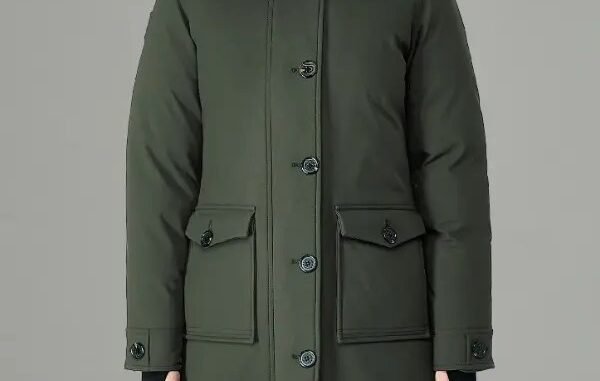
When the forecast says -20°F wind chill, fashion takes a back seat to survival — but you still don’t need to spend $800 on a Canada Goose to stay warm. What are the best winter coats for extreme cold under 200 dollars? The truth: modern insulation technology means $150–$200 buys genuine extreme-cold protection if you know what specs matter. I’ve survived Midwest winters and mountain trips in sub-$200 coats, and the warm ones all share specific features. Here’s what to look for, the specific coats worth buying, and how to layer so the coat doesn’t have to do all the work.
What Are the Best Winter Coats for Extreme Cold Under 200 Dollars? The Specs That Matter
- Insulation type and fill: down (fill power 550–800; higher = warmer per ounce) or synthetic (PrimaLoft, ThermoBall). Down is warmer and lighter but fails when wet; synthetics insulate when damp and cost less. For extreme cold at this price, quality synthetic or 550–650 fill down both work.
- Length: longer = warmer. A parka covering your thighs or knees retains dramatically more heat than a waist-length puffer. In extreme cold, length is a feature, not a style choice.
- Hood: insulated, with faux-fur or fleece-lined rim. You lose enormous heat from your head — a good hood is worth 10 degrees of perceived warmth.
- Windproof/water-resistant shell: wind cuts through cheap shells and steals warmth regardless of insulation. Look for “windproof” specifically, plus DWR (durable water repellent) coating.
- Sealed details: storm flap over the zipper, ribbed or Velcro cuffs, drawcord hem — these block the drafts that defeat insulation.
- Temperature rating: take manufacturer ratings with a grain of salt, but a coat rated to -20°F or below from a reputable brand is a good sign.
Specific Coats Worth Buying (Under $200)
- Coleman / Amazon Essentials heavyweight parka (~$130–$170): the budget extreme-cold champion — long cut, insulated hood, windproof shell. Unsexy, extremely warm.
- Columbia Heavenly / Whirlibird (~$150–$200 on sale): Columbia’s Omni-Heat reflective lining genuinely adds warmth; their winter sales regularly drop parkas under $200.
- Uniqlo Seamless Down parka (~$150–$200): remarkable warmth-to-weight, packable, clean design that doesn’t scream “expedition.”
- Lands’ End Expedition parka (~$180–$220, often on sale under $200): the sleeper pick — expedition-grade specs, knee-length, legendary durability. Sign up for their 30–40% off promos.
- Wantdo / Orolay Amazon parkas (~$100–$160): the viral Orolay “Amazon coat” earned its fame — genuinely warm, well-reviewed by the thousands. Quality control varies; read recent reviews.
- Marmot / The North Face sale finds (~$150–$200): last season’s colors at REI, Backcountry, or Moosejaw sales — premium brands at budget prices if you time it (buy in March–April for next winter).
- Military surplus ECWCS / N-3B parkas (~$80–$150): genuine military extreme-cold gear, built to actual military specs, available at surplus stores. The warmest dollar-per-dollar option in existence.
Layering: The Coat Is Only Half the System
No coat alone handles extreme cold well — the system matters:
- Base layer: merino wool or synthetic thermal (Uniqlo Heattech, ~$20 — the budget base-layer king). NOT cotton — cotton kills in extreme cold (it holds moisture against skin).
- Mid layer: fleece or light down/synthetic puffy. This is your adjustable thermostat — add or remove as conditions change.
- Outer: your parka — windproof shell + insulation.
- Extremities: insulated waterproof boots (the feet fail first), wool socks (Darn Tough, ~$25 — lifetime warranty), insulated gloves or mittens (mittens are warmer), balaclava or neck gaiter + beanie, and sunglasses or ski goggles (wind on eyes is brutal).
Shopping Strategy
- Buy off-season. March–August is when $300 coats drop under $200. Plan ahead once and you’re set for years.
- Check the used market. Quality parkas last a decade — secondhand Patagonia, North Face, and Canada Goose on Poshmark/eBay often land under $200. Use thrift strategies for local finds.
- Size for layers. Try the coat on over a sweater — a parka that fits perfectly over a t-shirt will be too tight over real winter layers.
- Read cold-climate reviews. Filter reviews by reviewers in Minnesota, Alaska, Chicago — their “warm” means something.
Pair your coat system with choosing a warm yet stylish winter jacket for the fashion side of the equation, and fall layering principles scale directly to winter.
For tested reviews, Outdoor Gear Lab’s winter coat tests and Good Housekeeping’s coat roundups test real warmth, not just marketing claims.
What “Extreme Cold” Actually Demands
Let’s calibrate: “extreme cold” means different things in different places. 20°F to 0°F (typical northern US winter): a quality parka with the layering system above handles this comfortably — this is the range most sub-$200 coats are built for. 0°F to -20°F (upper Midwest, mountain winters): you need the full system — expedition-weight parka, serious base layers, and no exposed skin. The coats recommended above in their longest, most insulated versions qualify. Below -20°F (Alaska, polar vortex events): this is survival gear territory — most fashion-oriented coats tap out, and you should prioritize expedition specs over everything. Wind chill matters as much as temperature: -5°F with 30mph wind feels like -25°F and defeats coats that handle -5°F calm just fine — which is why the windproof shell matters as much as insulation. Know your actual conditions, buy for the worst week of your winter (not the average day), and remember that being slightly over-prepared beats being dangerously under-prepared every single time.
Caring for Your Winter Coat
A good winter coat is an investment — maintain it. Down coats: wash rarely (once a season), with down-specific detergent, in a front-loader on gentle; tumble dry low with clean tennis balls to restore loft (this is critical — air-drying leaves down clumped and flat). Store uncompressed in the off-season — hanging, not stuffed in a stuff sack (long-term compression kills loft permanently). Reproof the shell: DWR coatings wear off; wash-in reproofing treatments ($12) restore water beading yearly. Repair promptly: small tears get worse — tenacious tape patches ($5) fix shell rips invisibly, and most outdoor brands repair their own gear cheaply or free. A $180 coat maintained this way lasts 8–10 years — $20/year for serious warmth. Neglected, the same coat dies in three.
The practical takeaway: under $200 buys real extreme-cold protection — prioritize long cut, insulated hood, windproof shell, sealed details, and 550+ fill down or quality synthetic. Buy off-season or secondhand, layer properly (no cotton base layers), protect extremities, and size for layers. Warmth is engineering, not price.
Leave a Reply