
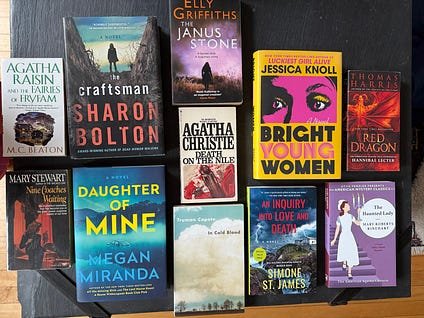
Mystery is the most welcoming genre in fiction — every book is a puzzle box with a guaranteed payoff — but the sheer volume is intimidating. If you’re asking what are the best mystery novels for beginners, you want the page-turners that hook you in chapter one and teach you what great mystery writing feels like.
I came to mysteries late, burned out on literary fiction that went nowhere, and the genre completely rekindled my reading. These are the books I’d hand a curious friend — organized from easiest entry points to the deeper cuts.
What are the best mystery novels for beginners: The Short Answer
The best mystery novels for beginners: ‘The Thursday Murder Club’ by Richard Osman (cozy, funny, irresistible), ‘Gone Girl’ by Gillian Flynn (the modern thriller blueprint), ‘The Silent Patient’ by Alex Michaelides (twisty psychological), ‘And Then There Were None’ by Agatha Christie (the original masterpiece), ‘The No. 1 Ladies’ Detective Agency’ by Alexander McCall Smith (gentle, charming), and ‘In the Woods’ by Tana French (literary depth). Start with Osman or Christie — both are pure pleasure.
Why This Matters More Than You Think
Mystery works for beginners because the genre makes a promise other fiction doesn’t: questions will be answered. Goodreads’ mystery recommendations That contract — the puzzle, the clues, the reveal — creates narrative momentum that carries new readers through. The subgenres matter: cozies (low violence, charming settings) versus thrillers (high tension, dark themes) versus police procedurals versus psychological suspense. Knowing which flavor appeals to you prevents the ‘I tried mystery once and hated it’ problem — you probably just tried the wrong subgenre.
6 Tips That Actually Work
Start with Agatha Christie — she’s the foundation
‘And Then There Were None’ (1939) is the bestselling mystery ever for a reason: ten strangers, one island, no escape, perfect construction. ‘Murder on the Orient Express’ and ‘The Murder of Roger Ackroyd’ showcase her legendary twists. Her prose is clean and dated in the most charming way; you’ll finish one and immediately want another. Most are under 300 pages.
Richard Osman: the modern cozy gateway
‘The Thursday Murder Club’ — four retirees in a luxury retirement village solving cold cases — is funny, warm, and genuinely clever. It’s the least intimidating entry point in modern mystery: no gore, big heart, plots that respect the reader. The series (4+ books) means instant binge-reading when you’re hooked.
Gillian Flynn for thriller intensity
‘Gone Girl’ redefined the psychological thriller in 2012 and the twists still land. It’s darker and more cynical than the cozies — unreliable narrators, toxic marriage, jaw-dropping midpoint reversal. If you like prestige TV antiheroes, this is your book. Follow with ‘Sharp Objects’ for more.
Alex Michaelides: the twist machine
‘The Silent Patient’ — a painter who shot her husband and never spoke again — is engineered for ‘just one more chapter’ reading. Short chapters, propulsive pacing, and an ending that launched a thousand gasps. It’s the perfect demonstration of what modern page-turners do best.
Tana French when you’re ready for depth
‘In the Woods’ (Dublin Murder Squad #1) is a mystery with literary ambitions — gorgeous prose, psychological complexity, and an ending that divides readers passionately. It’s longer and slower than the others here, which is why it’s step five, not step one. When you’re ready to see how deep the genre goes, start here.
Build the habit with series
Mystery series are beginner-friendly by design: familiar detectives, proven formulas, always another case. Louise Penny’s Inspector Gamache (start with ‘Still Life’), Anthony Horowitz’s Hawthorne, or the Thursday Murder Club books give you a standing appointment with characters you’ll love. Series remove the ‘what next?’ paralysis.
My Favorite Tools and Brands
For independent reviews and current availability before you spend any money, The New York Times Book Review is a solid reference.
- Libby app (free with library card) — Borrow ebooks and audiobooks free — try before you buy.
- Goodreads (free) — Track your reading and find ‘readers also enjoyed’ recommendations.
- A Kindle or Paperwhite — ~$150 — The mystery-binge device; one charge lasts weeks.
- Bookshop.org — Buy from local independent bookstores online when you want your own copy.
Common Mistakes to Avoid
- Starting with the densest classics. Save ‘The Name of the Rose’ for later. Begin with momentum (Osman, Christie), graduate to complexity (French).
- Reading spoilers. Mystery is the one genre where spoilers genuinely destroy the experience. Avoid reviews with plot details; read the first chapter instead.
- Forcing yourself through a book you hate. Life’s too short and the TBR pile is too long. The 50-page rule: if you’re not hooked by page 50, move on guilt-free.
- Ignoring audiobooks. Mysteries are fantastic audio — the narration adds atmosphere and the pacing suits commutes. Richard Armitage narrates several thrillers brilliantly.
Frequently Asked Questions
What’s the difference between mystery and thriller?
Mysteries center on solving a puzzle (who did it, how) with the reveal as payoff; thrillers center on tension and danger (will they survive) with pace as the engine. Many books blend both — ‘Gone Girl’ is a thriller with mystery elements; Christie is pure mystery.
Are Agatha Christie’s books outdated?
The social attitudes are of their era, but the construction is timeless — modern mystery writers still study her plots. Start with ‘And Then There Were None’ or ‘Murder on the Orient Express’; they read as fresh as ever.
How do I find more mysteries I’ll like?
Note what you loved (cozy? dark? twisty?) and search ‘books like [title]’ on Goodreads or r/suggestmeabook. Mystery readers are evangelical recommenders — ask and you’ll get 50 suggestions.
The Re-Read Shelf
Mystery novels have a secret superpower: they’re even better the second time. Knowing the ending transforms the experience — you catch the planted clues, the misdirection, the innocent line that was actually a confession. My re-read shelf holds Christie, Flynn, and French, and I revisit one every year like a tradition. A great mystery is a puzzle box you can open twice: once for the surprise, once for the craftsmanship.
Christie for the foundation, Osman for the joy, Flynn for the edge, French for the depth — that’s a mystery education that starts fun and goes deep. Welcome to the genre that never runs out. For more reading adventures, check out find local events happening in my city this weekend, make a small backyard feel like a party venue, and shows to watch with teenagers as a family.
Leave a Reply